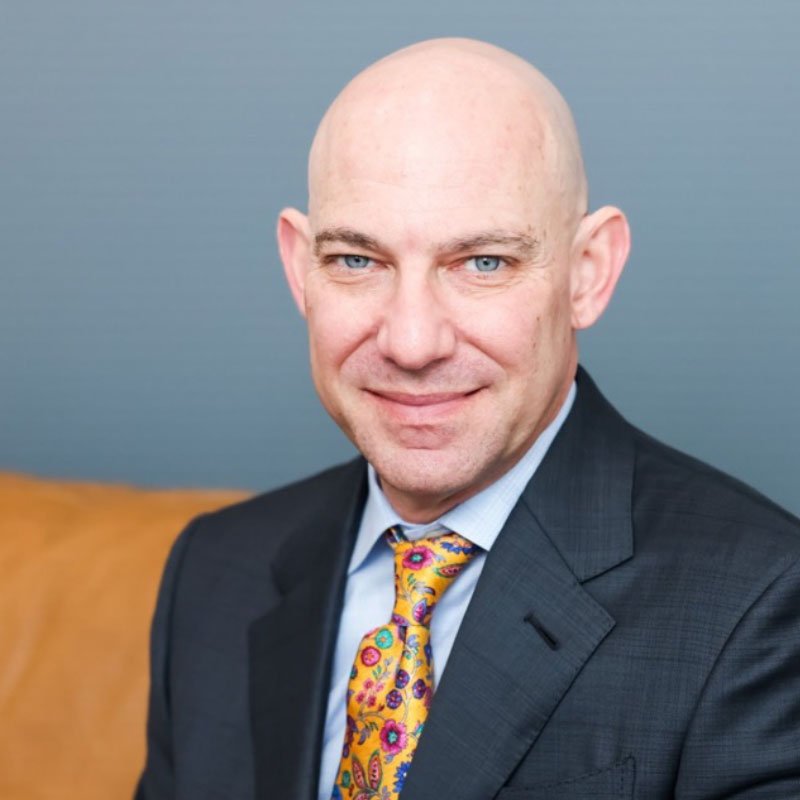
What happens when you spend a decade building a company, achieve a life-changing exit, and suddenly no longer need to work? In this episode, Matt Feret sits down with entrepreneur Andrew Hulbert, who built Pareto FM from a startup into a nine-figure business before retiring at age 37. Andrew shares the realities of extreme ambition, the sacrifices entrepreneurship can demand, and how he navigated the transition from relentless work to a life centered on family, purpose, and presence. Together, they explore identity, success, retirement, financial freedom, relationships, and why true fulfillment often comes from the simplest moments rather than the biggest achievements.
If you enjoyed this episode of The Matt Feret Show, you may also enjoy:
Listen to the episode on Apple Podcasts, Spotify, Deezer, Podcast Addict, Stitcher, Google Podcasts, Amazon Music, Alexa Flash Briefing, iHeart, Acast or on your favorite podcast platform. You can watch the interview on YouTube here.
Brought to you by Prepare for Medicare – The Insider’s Guide book series. Sign up for the Prepare for Medicare Newsletter, an exclusive subscription-only newsletter that delivers the inside scoop to help you stay up-to-date with your Medicare insurance coverage, highlight Medicare news you can use, and reminders for important dates throughout the year. When you sign up, you’ll immediately gain access to seven FREE Medicare checklists.
"Money doesn't give you happiness. Money gives you the chance to create happiness. It's not the number sitting in your bank account that makes you feel warm inside. It's what that number allows you to do. It's the freedom to spend time with the people you love, to wake up without an alarm clock, and to decide how you spend your days. That's where the real wealth is."
"What I'm most proud of is that I took the step. I had ideas, and I acted on them. I tested them, I took risks, and I gave them a chance. I'm not the person who woke up at 50 or 60 wondering what might have happened if I'd tried. I don't have major regrets, and that's incredibly important to me."
"Whatever success means to you, that's what success is. You can't spend your life comparing yourself to other people because you'll always find someone who's more successful. The validation I seek now comes from my family. If my children, my wife, and the people I love are proud of me, that's what matters most."
Host’s Links:
All Things Medicare: prepareformedicare.com
Decoding Social Security: prepareforsocialsecurity.com
My Written Works on Amazon: www.amazon.com/stores/Matt-Feret/author/B09FM3L4WW
The Matt Feret Show YouTube: www.youtube.com/@themattFeretshow
Network with me on LinkedIn: http://www.linkedin.com/in/mattFeret
Follow me on X: twitter.com/Feret_matt
See behind the scenes on Instagram: www.instagram.com/matt_Feret/
Guest’s Links:
Linkedin: https://www.linkedin.com/in/andrewhulbert
Tik Tok: https://www.tiktok.com/@hulbertandrew
Youtube: https://www.youtube.com/@Andrew.Hulbert?themeRefresh=1
Instagram: https://www.instagram.com/_andrewhulbert/
Most people want to stay in their own homes as they age, but very few think about what it actually takes to make that possible. In this episode of The Matt Feret Show, Matt sits down with Erica Sell, Founder of Harmony Home Medical, to discuss aging in place, home accessibility, fall prevention, caregiving, and the smart modifications that can help older adults maintain their independence longer.
Erica shares practical advice on preventing falls, creating dementia-friendly living spaces, planning home renovations with accessibility in mind, and avoiding costly mistakes that many families make when mobility needs suddenly arise. She also explains how caregivers can reduce physical strain, what technologies are changing the future of aging at home, and why small changes made today can save families significant stress, expense, and disruption later. Whether you're planning for yourself, helping aging parents, or navigating caregiving responsibilities, this conversation offers valuable insights into creating a safer, more comfortable future at home.
If you enjoyed this episode of The Matt Feret Show, you may also enjoy:
Retirement Isn't the End: How to Find Purpose, Community, and Joy After 55
Improving Healthcare Support for Older Adults with Olera, Inc. Co-Founder Logan DuBose
Listen to the episode on Apple Podcasts, Spotify, Deezer, Podcast Addict, Stitcher, Google Podcasts, Amazon Music, Alexa Flash Briefing, iHeart, Acast or on your favorite podcast platform. You can watch the interview on YouTube here.
Brought to you by Prepare for Medicare – The Insider’s Guide book series. Sign up for the Prepare for Medicare Newsletter, an exclusive subscription-only newsletter that delivers the inside scoop to help you stay up-to-date with your Medicare insurance coverage, highlight Medicare news you can use, and reminders for important dates throughout the year. When you sign up, you’ll immediately gain access to seven FREE Medicare checklists.
"The products aren't taking away independence—they're preserving it. Sometimes people think using a walker or power chair means giving something up. What I've seen is the opposite. The right equipment keeps the door open to church, friends, travel, coffee shops, and the community. It helps people keep living the life they want."
"If you're already remodeling your home, accessibility doesn't have to look medical. A zero-threshold shower, better lighting, wider spaces, and safer flooring can be beautiful today and life-changing years from now. The best time to prepare your home is before you actually need those changes."
"Most people think aging in place is about reacting to a crisis. It's really about planning ahead. A small investment in accessibility today can help preserve independence, reduce caregiver stress, and potentially save tens of thousands of dollars in future care costs. The opportunity cost of doing nothing is often much higher than people realize."
Host’s Links:
All Things Medicare: prepareformedicare.com
Decoding Social Security: prepareforsocialsecurity.com
My Written Works on Amazon: www.amazon.com/stores/Matt-Feret/author/B09FM3L4WW
The Matt Feret Show YouTube: www.youtube.com/@themattFeretshow
Network with me on LinkedIn: http://www.linkedin.com/in/mattFeret
Follow me on X: twitter.com/Feret_matt
See behind the scenes on Instagram: www.instagram.com/matt_Feret/
Guest’s Links:
Linkedin: https://www.linkedin.com/in/harmonyhomemedical/
Website:https://harmonyhomemedical.com/pages/about-harmony-home-medical-supply
What happens after the career ends?
For many people, retirement is supposed to be the reward after decades of hard work. But even financially prepared adults often struggle with the emotional transition away from work. Why? Because retirement is not just a financial decision — it is an identity shift.
In this episode of The Matt Feret Show, Matt sits down with Gregg Lunceford, Managing Director and Wealth Advisor at Mesero Wealth Management and author of Exit From Work, to explore the psychology of retirement and what Gregg calls “the third age of life.”
Gregg explains why work provides much more than income, including structure, purpose, psychological success, and social connection — and why losing those things can leave retirees feeling lost, anxious, or disconnected even when their finances are secure.
If you enjoyed this episode of The Matt Feret Show, you may also enjoy:
How Service, Trust, and Leadership Help Older Adults Thrive at Home with Amrit Dhaliwal
The Matt Feret Show Episode with Brent Kesler on Building and Using Wealth Differently
Listen to the episode on Apple Podcasts, Spotify, Deezer, Podcast Addict, Stitcher, Google Podcasts, Amazon Music, Alexa Flash Briefing, iHeart, Acast or on your favorite podcast platform. You can watch the interview on YouTube here.
Brought to you by Prepare for Medicare – The Insider’s Guide book series. Sign up for the Prepare for Medicare Newsletter, an exclusive subscription-only newsletter that delivers the inside scoop to help you stay up-to-date with your Medicare insurance coverage, highlight Medicare news you can use, and reminders for important dates throughout the year. When you sign up, you’ll immediately gain access to seven FREE Medicare checklists.
“Work gives us much more than a paycheck. It gives us psychological success, socialization, and structure. Most people don’t realize how important those things are until they disappear. Retirement isn’t just leaving a job — it’s figuring out who you are when the structure is gone.”
“The third age is this recognition that you get to reset and redefine life on your own terms. You have more wisdom, more freedom, and often more resources than ever before. This should be one of the best stages of your life — but you have to intentionally design it.”
“The happiest people I see in retirement are the ones brave enough to structure life on their own terms. They stop asking, ‘What am I supposed to do next?’ and start asking, ‘What actually brings me meaning, energy, and joy?’”
Host’s Links:
All Things Medicare: prepareformedicare.com
Decoding Social Security: prepareforsocialsecurity.com
My Written Works on Amazon: www.amazon.com/stores/Matt-Feret/author/B09FM3L4WW
The Matt Feret Show YouTube: www.youtube.com/@themattFeretshow
Network with me on LinkedIn: http://www.linkedin.com/in/mattFeret
Follow me on X: twitter.com/Feret_matt
See behind the scenes on Instagram: www.instagram.com/matt_Feret/
Guest’s Links:
Linkedin: https://www.linkedin.com/in/gregg-lunceford-phd-cfp%C2%AE-3aa83a15/
Learn the idea of joy span, that stretching fulfillment and connection and vitality in the second half of life.
If you enjoyed this episode of The Matt Feret Show, you may also enjoy:
Midlife Reinvention After Layoffs or Retirement: Redefining Success & Identity
Listen to the episode on Apple Podcasts, Spotify, Deezer, Podcast Addict, Stitcher, Google Podcasts, Amazon Music, Alexa Flash Briefing, iHeart, Acast or on your favorite podcast platform. You can watch the interview on YouTube here.
Brought to you by Prepare for Medicare – The Insider’s Guide book series. Sign up for the Prepare for Medicare Newsletter, an exclusive subscription-only newsletter that delivers the inside scoop to help you stay up-to-date with your Medicare insurance coverage, highlight Medicare news you can use, and reminders for important dates throughout the year. When you sign up, you’ll immediately gain access to seven FREE Medicare checklists.
“Retirement isn’t just a financial transaction. It’s an identity shift, a rhythm shift. And for many people, it quietly introduces loneliness, loss of purpose, or a feeling of, ‘Okay, now what?’ The structure that once defined your days starts to disappear, and what comes with that is often a deeper need to figure out what life looks like when the job title fades and the calendar clears out.”
“This conversation is about using place, community, and shared experience as a way to rebuild connection and meaning, whether that’s abroad, right there in your hometown, or anywhere in between. You may never move overseas—most of us probably won’t—but the deeper question still applies to everybody: how do you stretch joy instead of just extending years? How do you design the next chapter of life in a way that feels intentional, connected, and meaningful?”
“What we’re really exploring today is not just travel or retirement in the traditional sense, but how you design a life that feels intentional and connected after the structure of work changes. It’s about stretching fulfillment, connection, and vitality in the second half of life—what some people call your ‘joy span’—and thinking proactively about how you want to live and grow in the years ahead, whether that’s through travel, community, or simply being more intentional where you already are.”
Host’s Links:
All Things Medicare: prepareformedicare.com
Decoding Social Security: prepareforsocialsecurity.com
My Written Works on Amazon: www.amazon.com/stores/Matt-Feret/author/B09FM3L4WW
The Matt Feret Show YouTube: www.youtube.com/@themattFeretshow
Network with me on LinkedIn: http://www.linkedin.com/in/mattFeret
Follow me on X: twitter.com/Feret_matt
See behind the scenes on Instagram: www.instagram.com/matt_Feret/
Guest’s Links:
LinkedIn: Andrew Motiwalla | LinkedIn
The Good Life Abroad: Learn About The Good Life Abroad's Vision for European Living
In this episode of The Matt Feret Show, Johanna Danaher—former Pfizer executive turned reinvention coach—dives into what really happens when high achievers face major life transitions like layoffs, retirement, or burnout. Moving beyond the glossy “start over” narratives seen online, Johanna shares practical insights on identity loss, emotional preparedness, and why staying busy can actually hold you back. The conversation explores how to redefine success on your own terms, set boundaries, navigate uncertainty, and design a next chapter that aligns with your values—without ignoring real-life responsibilities like family and finances. If you’ve ever wondered “Who am I without my job?” this episode offers an honest, actionable roadmap forward.
If you enjoyed this episode of The Matt Feret Show, you may also enjoy:
Employee Ownership Explained: How ESOPs Are Changing Work, Wealth, and Midlife Career Decisions
Listen to the episode on Apple Podcasts, Spotify, Deezer, Podcast Addict, Stitcher, Google Podcasts, Amazon Music, Alexa Flash Briefing, iHeart, Acast or on your favorite podcast platform. You can watch the interview on YouTube here.
Brought to you by Prepare for Medicare – The Insider’s Guide book series. Sign up for the Prepare for Medicare Newsletter, an exclusive subscription-only newsletter that delivers the inside scoop to help you stay up-to-date with your Medicare insurance coverage, highlight Medicare news you can use, and reminders for important dates throughout the year. When you sign up, you’ll immediately gain access to seven FREE Medicare checklists.
“High performers are used to being very busy. We have a lot on our plates, we can juggle multiple priorities, and we have structure, calendars, meetings, expectations, and outcomes. When that’s gone, we try to fill the space instead of pausing to ask what we actually want to fill it with. Busyness becomes glorified, productivity becomes over-functioning, and we continuously say yes to things that may not align with what we truly want to do.”
“We’re taught that the structure we have in place is all we need, and we’re also taught to leave our emotions at the door. So we don’t talk about how we’re feeling. Without acknowledging our emotions, they tend to hijack us, and we operate from default patterns instead of conscious choice”
“You have to give yourself the space to recognize what you’re leaving and to grieve it, because there is a loss there. It’s not going to be the same on that Monday morning after your last day of work. You’re not going to have the calendar, the meetings, or the constant connection. There is a loss, and you need to acknowledge it before deciding what you want to carry forward.”
Host’s Links:
All Things Medicare: prepareformedicare.com
Decoding Social Security: prepareforsocialsecurity.com
My Written Works on Amazon: www.amazon.com/stores/Matt-Feret/author/B09FM3L4WW
The Matt Feret Show YouTube: www.youtube.com/@themattFeretshow
Network with me on LinkedIn: http://www.linkedin.com/in/mattFeret
Follow me on X: twitter.com/Feret_matt
See behind the scenes on Instagram: www.instagram.com/matt_Feret/
Guest’s Links:
Website: https://anchortoaspire.com/
In this episode of The Matt Feret Show, Matt Feret sits down with ESOP consultant Matt Middendorp to explore how employee ownership is reshaping the way people think about work, wealth, and career fulfillment—especially in midlife. Moving beyond traditional conversations about retirement or business exits, the discussion examines Employee Stock Ownership Plans (ESOPs) as an alternative model that aligns employee success with company performance. Middendorp shares real-world insights into how employee-owned companies foster stronger cultures, higher retention, and long-term financial security while offering business owners a legacy-driven transition strategy outside of private equity or layoffs. Together, they unpack why so many professionals have never heard of ESOPs, what employee ownership teaches us about purpose and identity at work, and how individuals at any career stage can rethink success, stability, and the value they help create.
If you enjoyed this episode of The Matt Feret Show, you may also enjoy:
The Psychology of Money: How Emotions, Biases, and Behavior Shape Investment Success
Infinite Banking Explained: An Alternative to 401(k)s and Retirement Accounts
Listen to the episode on Apple Podcasts, Spotify, Deezer, Podcast Addict, Stitcher, Google Podcasts, Amazon Music, Alexa Flash Briefing, iHeart, Acast or on your favorite podcast platform. You can watch the interview on YouTube here.
Brought to you by Prepare for Medicare – The Insider’s Guide book series. Sign up for the Prepare for Medicare Newsletter, an exclusive subscription-only newsletter that delivers the inside scoop to help you stay up-to-date with your Medicare insurance coverage, highlight Medicare news you can use, and reminders for important dates throughout the year. When you sign up, you’ll immediately gain access to seven FREE Medicare checklists.
“You immediately recognize that there is a cultural difference when a company is employee owned, that there is a shared responsibility, that there is a shared commitment to the success of the company and to the individual people that work in it. And it very much becomes an identity and a culture inside of the group that ⁓ when people recognize, I mean, we hear stories all the time, right? You've got Publix, a grocery store that's an employee owned company. And you hear about the cashier that worked there for 30 years and retires a multimillionaire. Right. And that sense of. ⁓ It's not just the owner of the company showing up in another Corvette the next year, different color, same model kind of thing that they actually benefit from the input that they give their time, and expertise.”
“The amazing thing was, was leadership projected a certain amount of cutbacks that we have to cut so many people. I can't remember the exact number off the top of my head, but it was significant enough that people were looking at the person next to him and saying, man, are we all going to work here tomorrow? Right. But no, not a good feeling at all. Right. But the cool part about this is, the people inside of the company, ⁓ the people that worked there, the everyday again, I was a punk college kid driving a forklift, right. Delivering paper to presses. ⁓ came up with ideas and efficiencies and ways to simplify processes that created savings that meant the impact of those cuts was, again, I wish I had exact numbers. I wish I prepared this story, but far, far, far less than they thought.”
“Our needs change as we mature professionally, right? ⁓ I know when I was 30. I wanted a strong mentor. I wanted somebody who could lead me and guide me to the promised land. Now, the interesting thing about that is, is what the promised land is has changed a lot in the ensuing two years, three years. I'm just kidding. Decades, right? Decades. So what can ESOP teach us about that? I think it can show us a different kind of goal professionally. I think, well, and let's look at this from two different angles. Let's look at this from the employee angle first, right? When we've talked about this at length, so we probably don't need to dig deeply into it. But again, I'll say it, if I'm working for a company where I have a vested interest and let's just be honest, the financial goals of the company and the ESOP company are in line with the employees for probably the first time.”
Host’s Links:
All Things Medicare: prepareformedicare.com
Decoding Social Security: prepareforsocialsecurity.com
My Written Works on Amazon: www.amazon.com/stores/Matt-Feret/author/B09FM3L4WW
The Matt Feret Show YouTube: www.youtube.com/@themattFeretshow
Network with me on LinkedIn: http://www.linkedin.com/in/mattFeret
Follow me on X: twitter.com/Feret_matt
See behind the scenes on Instagram: www.instagram.com/matt_Feret/
Join our community on Facebook: www.facebook.com/themattFeretshow/
Follow me on Instagram:Matt Feret (@matt_Feret) • Instagram photos and videos
Guest Links:
Guest Linkedin: Matt Middendorp | LinkedIn