Learn the idea of joy span, that stretching fulfillment and connection and vitality in the second half of life.
If you enjoyed this episode of The Matt Feret Show, you may also enjoy:
Midlife Reinvention After Layoffs or Retirement: Redefining Success & Identity
Listen to the episode on Apple Podcasts, Spotify, Deezer, Podcast Addict, Stitcher, Google Podcasts, Amazon Music, Alexa Flash Briefing, iHeart, Acast or on your favorite podcast platform. You can watch the interview on YouTube here.
Brought to you by Prepare for Medicare – The Insider’s Guide book series. Sign up for the Prepare for Medicare Newsletter, an exclusive subscription-only newsletter that delivers the inside scoop to help you stay up-to-date with your Medicare insurance coverage, highlight Medicare news you can use, and reminders for important dates throughout the year. When you sign up, you’ll immediately gain access to seven FREE Medicare checklists.
“Retirement isn’t just a financial transaction. It’s an identity shift, a rhythm shift. And for many people, it quietly introduces loneliness, loss of purpose, or a feeling of, ‘Okay, now what?’ The structure that once defined your days starts to disappear, and what comes with that is often a deeper need to figure out what life looks like when the job title fades and the calendar clears out.”
“This conversation is about using place, community, and shared experience as a way to rebuild connection and meaning, whether that’s abroad, right there in your hometown, or anywhere in between. You may never move overseas—most of us probably won’t—but the deeper question still applies to everybody: how do you stretch joy instead of just extending years? How do you design the next chapter of life in a way that feels intentional, connected, and meaningful?”
“What we’re really exploring today is not just travel or retirement in the traditional sense, but how you design a life that feels intentional and connected after the structure of work changes. It’s about stretching fulfillment, connection, and vitality in the second half of life—what some people call your ‘joy span’—and thinking proactively about how you want to live and grow in the years ahead, whether that’s through travel, community, or simply being more intentional where you already are.”
Host’s Links:
All Things Medicare: prepareformedicare.com
Decoding Social Security: prepareforsocialsecurity.com
My Written Works on Amazon: www.amazon.com/stores/Matt-Feret/author/B09FM3L4WW
The Matt Feret Show YouTube: www.youtube.com/@themattFeretshow
Network with me on LinkedIn: http://www.linkedin.com/in/mattFeret
Follow me on X: twitter.com/Feret_matt
See behind the scenes on Instagram: www.instagram.com/matt_Feret/
Guest’s Links:
LinkedIn: Andrew Motiwalla | LinkedIn
The Good Life Abroad: Learn About The Good Life Abroad's Vision for European Living
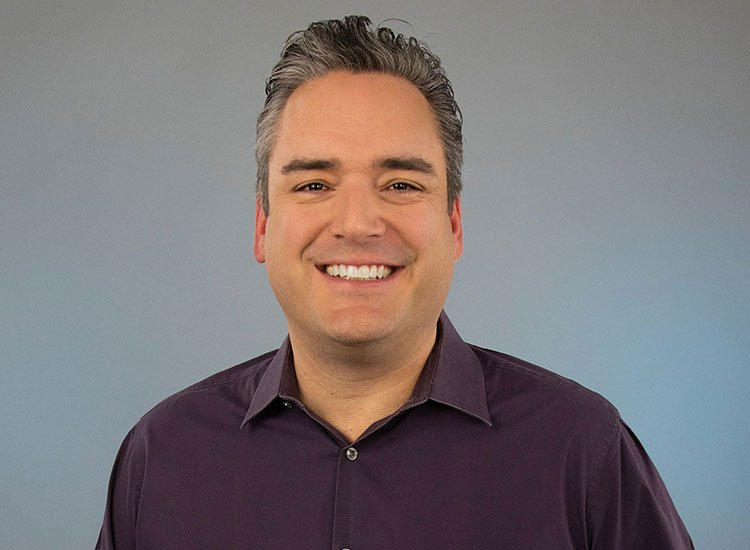
Matt Feret:
Hey everybody. Before we jump into today’s episode, I want to frame something up clearly.
When people hear about month-long stays in Paris or Lisbon designed for adults 55 and older, it can sometimes sound like a luxury lifestyle brand or an aspirational travel brochure. But that is not what this conversation is really about.
This is about something much more universal.
What happens after the job title fades? What happens when the calendar clears out and the structure that once defined your days starts to disappear?
Retirement is not just a financial transaction. It is an identity shift. It is a rhythm shift. And for many people, it quietly introduces loneliness, a loss of purpose, or the feeling of, “Okay, now what?”
Travel can certainly be escapism. Or it can be a catalyst.
Today’s conversation is about using place, community, and shared experience as a way to rebuild connection and meaning, whether that is abroad, in your hometown, or anywhere in between.
You may never move overseas. Most of us probably will not. But the deeper question still applies to everybody: how do you stretch joy instead of just extending years?
That is what we are exploring today.
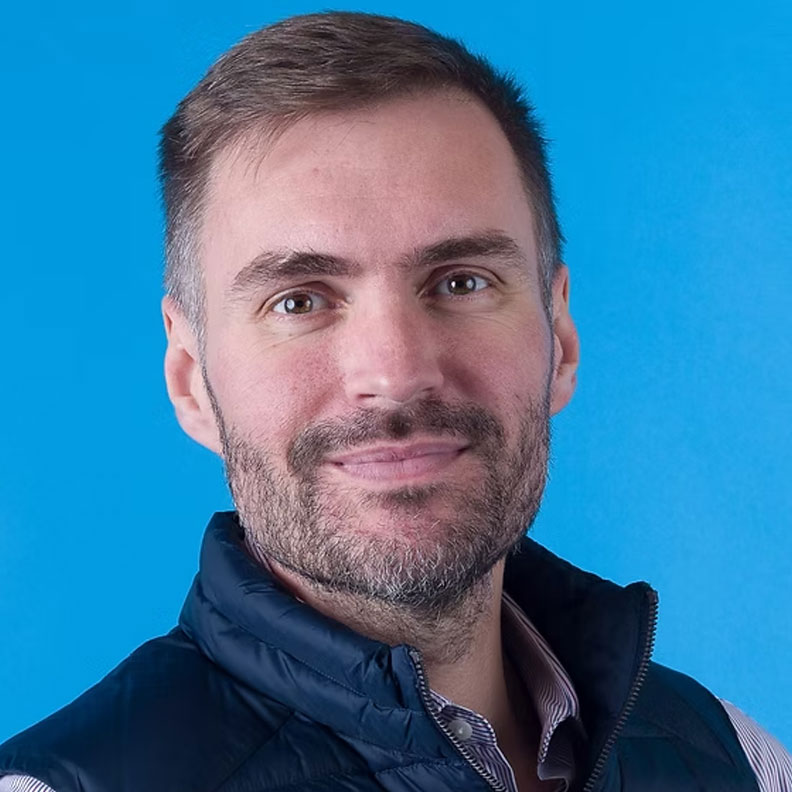
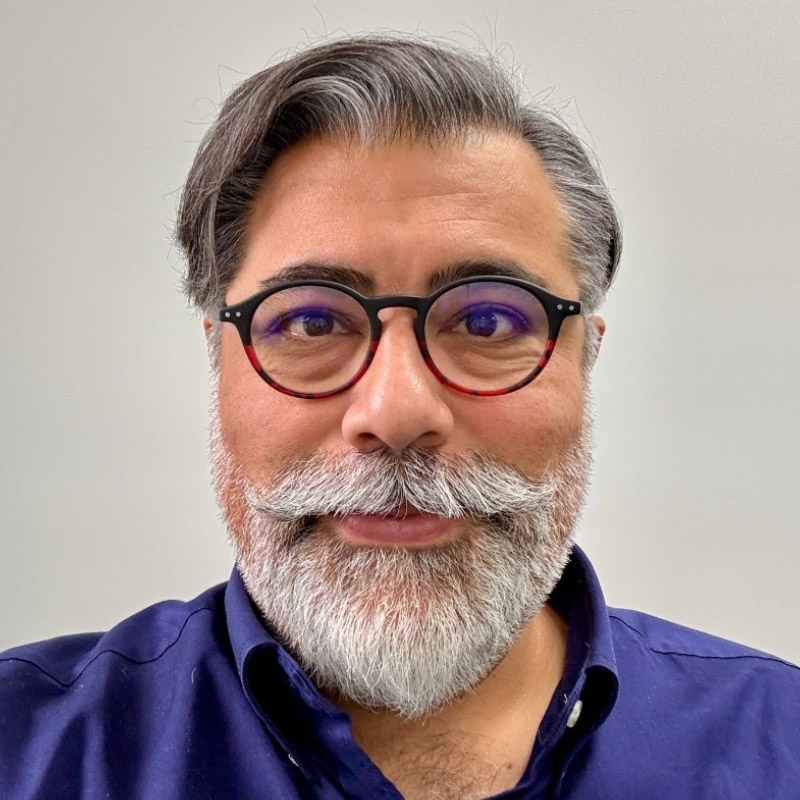
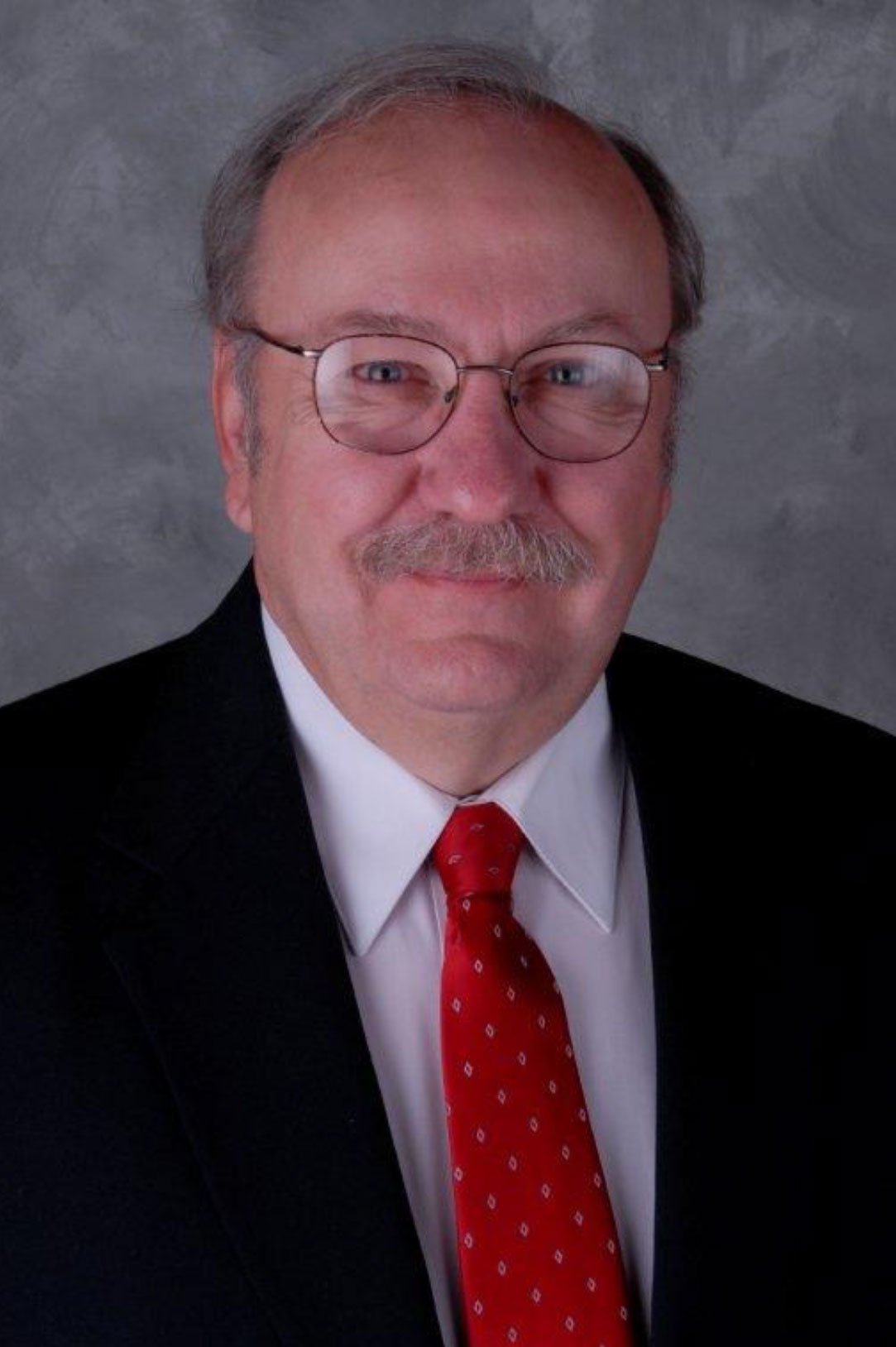
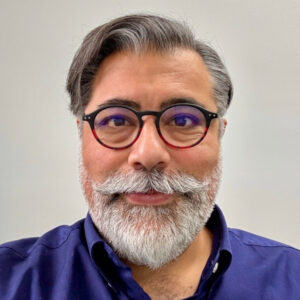
My guest is Andrew Motiwalla, founder and CEO of The Good Life Abroad. Andrew has spent more than three decades in the travel industry, including time as a Peace Corps volunteer and as the founder of Discover Corps, a company focused on meaningful family travel.
After working with thousands of travelers, including older adults, he recognized a pattern. Many people in their 50s, 60s, and beyond were not just looking for vacations. They were looking for slower rhythms, deeper connections, and a chance to live differently, even temporarily.
That insight led him to create The Good Life Abroad, an immersive, month-long, community-based experience in cities like Lisbon, Paris, Barcelona, Florence, and Palermo, specifically designed for adults 55 and older.
Andrew often talks about the idea of joy span, stretching fulfillment, connection, and vitality in the second half of life.
Andrew, welcome to The Matt Feret Show.
Andrew Motiwalla:
Thanks, Matt. Great to be here.
Matt Feret:
I’m glad you are.
For people meeting you for the first time, I gave you an intro, but tell us what you do in your words, how long you have been in the travel space, and how The Good Life Abroad came to life.
Andrew Motiwalla:
At a high level, I have been in the travel industry for about 30 years. But I really zoomed in on this idea of 55-plus slow or more immersive travel just over the past three years.
Like you said in the intro, I have met a lot of travelers who said, “These tours are great. They are cool. They are fun. We can take our families. But I am retired, and I am kind of tired of getting on the bus, getting off the bus, checking into this hotel, and then going to that hotel. Why isn’t there something for people like me who have time now that I am retired or semi-retired?”
That sparked the idea for The Good Life Abroad.
I thought, why isn’t there something that bridges the gap between being totally on your own, where you just get an Airbnb and live somewhere by yourself, and being on a full-service tour?
What is in the middle? How can you provide light support, while still allowing independent exploration? You still have your apartment, but you also have some guidance and connection to other human beings.
Because let’s face it, it can get a little lonely out there if you are just living somewhere for a month or two.
That was the inspiration for The Good Life Abroad at a high level.
Matt Feret:
That is interesting because I have often dreamed about this. I still have that dream. I have not made it a reality yet, and I do not know if I will, but it is one of those things where I think, “I would like to do that.”
You hear about something at a party and think, “I want to embed. I want to go to Slovenia. I want to go to a city that is not just Barcelona or Rome and really get to know the community. I want to sit at coffee shops.”
Maybe you can still log in remotely and do your work if you are consulting, working part-time, or semi-retired. Or maybe you are fully retired and you want to sit, stay, and make connections.
Were you hearing stories like that? Was that the impetus? Or was it more like, “I do not want to spend $50,000 on a massive bus tour of South America, and I also do not want to just get my own Airbnb and hope I am renting the right place eight time zones away”?
Was it somewhere in the middle? What did you hear over and over?
Andrew Motiwalla:
Funny enough, I had this rough idea about living abroad for extended times, and it was selfish. I was thinking about my own retirement.
I live in San Diego, California. I love it here. But once I am retired or have a more flexible life, I would love six months here, a few months in Europe, and then a few months tooling around the rest of the world.
That was my idea.
So I started with something on Facebook. I posted, “Has anyone else out there wanted to live abroad for a few months of the year, but not completely take off and be an expat?”
These were my friends commenting. People said, “Yes, I want to do that,” or “Yes, I tried to do that.”
Then I sent everyone who said yes a survey by private message. I asked, “You want to do this thing, and many of you did not do it. Why didn’t you do it?”
Everyone has this dream of wanting to live abroad, but they do not do it.
The survey results came in. People said, “I do not speak the language.” “What happens if I get hurt or sick?” “What if I get lonely?” “What if I get bored?” “What if I book an apartment for a few months based on photos and the reality does not match?”
We have all had that experience. It is fine for a few nights somewhere, but if you are doing two or three months, that is a little scary. It is a big investment.
All these pain points came up, and I thought, okay, how do we solve for these? How do we distill it down and solve for them?
That led to the next level of detail for The Good Life Abroad.
We need vetted apartments for Americans. If you have ever had that experience in Europe where you are in the bathroom and your head is in the sink, or you are in the shower and you cannot turn around, you can do that for a couple days. But as we get older, we need a little more comfort.
So we need vetted apartments. We need to solve for loneliness and boredom. We need activities and events. We need community. We need support.
I wanted to make it totally turnkey. You press a button, fly to Europe, and we have it. Your whole dream becomes reality.
Matt Feret:
I was selfish in what I said, and it sounds like you were going down that path too when you put that out on Facebook.
A lot of folks our age and older, and I am looking at your salt-and-pepper hair and you are looking at mine, do not want the fast pace anymore.
I have done the classic American vacation checklist. I have to go here, and I have to go here, and I have to go here. We get on the bus. We have to take the overnight train. It is fun and neat, but it is also very typically American.
What changes around our age and above? It is not just the time availability for people who are retired, semi-retired, working remotely, or working part-time. What changes when people do not want fast-paced tourism anymore?
Is it because they have done all those things? Or is it, “No, I would like to live a little differently”?
Andrew Motiwalla:
I think it is twofold.
On one hand, they have done it. They have done the tours. They have done the cruises. Those are efficient ways to see a lot of places in a relatively short amount of time.
All of Italy in 12 days? You are going to see a lot of Italy in 12 days. There is no question about it.
But I think what happens as you get older and you find you have the time, you also have an increased level of sophistication.
You may say, “Okay, I am seeing all of Italy in 12 days, but I know I am not seeing it very deeply. I know there is more to it than just the checklist.”
The checklist is great too. That is a totally valid way to travel, and we all do it.
But at a certain age, people think, “Wait. I could get much more out of this experience, and I have the time. So why not?”
Also, frankly, I get tired. I do not know about you, Matt, but I get tired easily.
I fly into Europe, and it takes me a few days to get over the jet lag. After a big meal, all I want to do is take a nap. I really do not want to get on a bus and see three more museums. I want to take a nap and maybe read a book.
So I think we have done it, we have an increased level of sophistication, and we want more.
It is not for everyone. I love my mom, but she still does not get why anyone would want to spend a month in Valencia, Spain. She says, “I was there two days on a tour, and I saw all the big things.”
I tell her, “Yes, but it is a different experience.”
You are not seeing the checklist. In fact, what we hear from a lot of travelers is, “We have been to these cities before, but we were there on a tour for two days.”
It is like a wine tasting. You sampled it. But now you want to drink the whole bottle.
It is not just seeing the things. It is feeling the vibes, slowing down, and changing your lifestyle to immerse yourself in a different way of life.
Matt Feret:
How is that month-long living different than even a two-week vacation? Not just a couple of days in Valencia, but when we are talking about slow, immersive travel, we are really talking about a month.
To really get that coffee shop feel, or to run into the same person at the grocery store three times and have them speak to you, maybe even invite you over for a glass of wine.
How is that different than even a two-week vacation in one spot?
Andrew Motiwalla:
I will answer your question, but I will start with what a lot of people do on their first trip.
They know how to be a tourist. They have done this before. So they show up and try to see as much as they can. Every day it is, “I have to go do this and that. There is a Michelin-star restaurant. We have to eat there.”
After the first week, I say, “Guys, slow down. You are going to burn out.”
They say, “Yes, I am feeling really tired and full.”
You do not have to pack it in. You have to get out of tourist mindset and change the hat. Be like a local.
I ask, “What do you do at home?”
For me, I go to the gym. I like yoga. I like swimming in the ocean. I live in California. So let’s do these things in Valencia or Seville or Paris.
We can help you find a Pilates studio. That is what our staff is there for, to help you connect to the things you want to do.
I cook my meals. Sure, I love going out to eat when I travel, but I also like cooking. It is different in Europe. You are buying fresh produce at the market that day or every couple days. You are not going to Costco and loading up your car with huge amounts of things you will eat over the month.
In our program, we often include cooking classes and try to help people learn local food. Then I like trying to make a recipe I learned in that country using those local ingredients.
So it is the day-to-day life activities: working out, cooking, going to that café.
We encourage people to develop routines, whether it is a café or a yoga studio. By having a routine, you start to have repeated interactions, which can lead to friendships, acquaintanceships, or people asking, “What are you doing here anyway?”
I get that all the time at the gym. People say, “Wait, you have been here three times this week.” I say, “Yes, I am going to be here for a month. I like working out.”
Then it becomes a conversation about what I do in San Diego, and we connect.
Matt Feret:
We have both listed off some very luxurious Western European locations. One thing I found, and it took me a long time to get to Europe, especially considering my love for history and travel, is that I did not go until my 40s.
When I finally went, the impression I had going in was that Europe is expensive. The plane ticket is expensive. Hotels can be expensive, even though the star systems are different over there.
But I was shocked, especially in a country like Portugal, how inexpensive the food was. It was not as expensive as it is here, whether in rural America or a city. It was very affordable.
And when you went to the grocery store, that was also affordable. As you said, the freshness is just different.
Andrew Motiwalla:
That is the thing with living abroad for a month. You are getting out of the tourist path.
If you are in a town for two days and the restaurant has a tourist menu, you are going to pay a lot. But the moment you start doing the local thing, you realize the locals go to the pre-fixed menu, maybe 15 euros for three courses.
You start to learn where the locals go, and you realize it is a lot less expensive than you might think.
Matt Feret:
If someone is thinking, “I am not a world traveler. I have always wanted to go, but it is intimidating,” is there a deeper takeaway beyond location and labels like “world traveler”?
Andrew Motiwalla:
The common thread with our travelers is not so much that they are travelers. It is more an appreciation for other cultures and a sense of curiosity.
They are curious people. They have an intellectual itch they want to scratch, and they are going to explore that.
It could take different forms. You do not even have to travel for these things. Curiosity is a good thing in general.
We have travelers who love art. There was a guy named Barry, a retired accountant, who asked, “What do I do with my life now?” He got into art, took a community college class on Renaissance art, came to Florence, and explored art.
He was scratching that intellectual itch. It could be anything. I think that is the common thread.
Maybe someone wants to dust off Spanish from high school or a college French course and get back into it.
There is intentionality behind it, spurred on by curiosity. Everyone can have that, whether they are a traveler or not.
Matt Feret:
You have referenced the phrase joy span in your work and prior interviews. What does that mean to you?
Andrew Motiwalla:
Credit where credit is due. Joy span is actually a concept coined by Dr. Carrie Burnett. She wrote a book called Joy Span.
The idea is that we have lifespan, which is the number of years you live, but joy span is the number of years full of joy that you have. It comes down to the idea that there are things you can do in life to increase the amount of joy you have, especially in the second half of life.
That concept really resonated with me.
When I read that book, I looked at some of the main pillars, and it mapped so perfectly to travel.
Things like mental stimulation and growth. It is learning new things. You can do that at home, of course, but when you travel, everything is new. The language is new. The food is new. The customs are new. Your brain is almost in learning overload.
She talks about connecting with other human beings, relationships, and friendships. That is always great, but when you do it while traveling, it is almost on steroids.
Something interesting about travel is that people often disclose more. You meet another traveler in a bar and start telling them about your divorce or something very personal. Later you think, “Wow, that was a lot.”
But something about travel creates a safe space where you can share things. If you want, that whole thing can disappear as soon as you leave.
Travel really fosters connection.
Another part of healthy aging and increasing joy is adapting, the ability to adapt. As we get older, sometimes we get set in our ways. What better way to challenge that than to pluck yourself out and drop yourself into Nice, France, living in the center of a French town?
You will be pushed out of your comfort zone a bit, and you will have to adapt.
What is beautiful about that, although sometimes it is hard, is that after a month of living in the heart of a European city, you say, “Wow, I did that. I can do this.”
It took a lot of adaptation. Smaller refrigerator, walking more, public transportation, not knowing the language. But you did it. Now you gain confidence, and the world starts to open up to you instead of feeling like it is getting smaller as you get older.
I have seen that with my parents. Unfortunately, my dad does not want to travel anymore. It is just too much for him. My mom is the opposite. She wants to go all over the place.
It depends on each person’s perspective and their ability to push themselves, grow, become confident, and go further out.
Matt Feret:
That reminds me of the book Die With Zero. I do not agree with everything in it, but one point always stuck with me.
It was not necessarily “spend all your money and then die.” The point that stuck with me is that you have a finite time on this planet, and your travel and activity have to be age appropriate.
You are not going to climb Mount Kilimanjaro at 80. You are just not. But at 50, 55, or somewhere in there, when you have health and health span, some activities are more age appropriate.
You can go on a cruise when you are 110. You can sit on the deck and have a good time. But this kind of embedding or active lifestyle is more important to space out based on your age and health.
How is joy span different from lifespan or health span?
Andrew Motiwalla:
Lifespan can be extended indefinitely on life support, but is that truly living? Where is the joy in that?
Health span is really important because it is about staying healthy. Some research shows that if you increase your joy span, it can also increase your health span. There can be positive health effects.
Talking about books, there is a great book called The Good Life. I admit I borrowed from it when naming the company. It is based on the Harvard study on happiness, the longest longitudinal study on happiness.
The book shows that, surprise, surprise, to have a good life, it comes down to relationships, community, and healthy relationships.
There is medical information in there about how that affects well-being. Having healthy relationships can bring down cortisol levels, so you are not stressed out and angry all the time. You are happier, and that has positive health benefits.
So there is an interplay between joy span and health span.
Of course, health challenges happen. But joy span includes adaptability and the ability to reframe things.
You may think, “This is a bad thing.” But can you reframe it and see it as an opportunity for growth, learning, or exploring a different direction than you originally thought?
The more you can do that, the more joy you may have instead of frustration. That can have a positive interplay with health span.
Matt Feret:
You mentioned community a couple of times. It is obvious that if you go to Nice for a couple days, you are not going to get much community play.
But if you go for a month and you are intentional about getting into the community, I imagine you would say that plays a central role. Not just the travel part, not just the embedding part, but the community part of long travel and immersion.
That community, even abroad and even in 30 days, can extend joy.
Andrew Motiwalla:
Community is the secret sauce.
It is the thing that takes a nice experience and amplifies it because you are sharing it with people. Then you have shared memories you have created.
If you do this on a repeated basis, the joy can expand.
Imagine you make new friends in a different country. It is a little more intense because it is totally new and different. Then you stay in touch. You may meet up with them back in the United States. Maybe you are coming through their neck of the woods, and you meet for a drink and reminisce.
That experience becomes memories and leads to so much more.
Community is actually what this whole concept is about. People may not realize that at first. They think, “I am going for a month. The Good Life Abroad provides a nice apartment and some fun activities.”
What they do not realize at the beginning, but understand at the end, is, “I have found my tribe.”
These are fellow lovers of other cultures. These are cultural appreciators. If we are inventing new words today, “cultural appreciators” is the word I invent.
People connect through the activities and events we put on, but then they go off and do their own things.
We intentionally foster these connections with welcome parties, mixers, lunches, happy hours, and different activities. The idea is to suss out people’s affinities and interests.
You might be in a group of 16 people and realize three people are really into art. Maybe they are artists or art lovers. Others are history buffs. Others are guys who just want to go to a sports bar.
Then you connect around shared affinities.
The staff might recommend that the opera is going on, and some people say, “Let’s go do that.” Other people say, “Opera is the last thing I want to do,” and they go do something else.
The community starts to take on a life of its own. That is beautiful. That is where friendships are forged and joy starts to amplify.
We find that people stay in touch after the program. Then they come back for another month with us in a different city the next year, and they connect with the friends they made.
Now we have these posses roaming Europe of older people who want to keep doing this. What they say is, “We are going to do this for as long as we are physically able to.”
There is a window of time, exactly what you said. There is a window of time when we can do this. So they say, “At least once a year, let’s go out to Good Life Abroad somewhere.”
Matt Feret:
This concept of loneliness is one I have talked about before on the show. It is one of those words nobody really likes to use because it sounds sad and mopey.
But I think anybody listening or watching knows it is really hard to make new friends past the age of 40.
I am Gen X. I grew up where you went outside and played, and when the streetlights came on, you came home. I have kids in their 20s now, and it was very different. I still shoved them outside, but it was different.
I can look at my neighborhood. I have 12 houses on my court. I do not know them all, and I have lived here for 15 years.
Community can be really hard. When you retire, transition to part-time, consult, or stop physically going to an office every day, it can be lonely at any age.
What patterns have you seen in people transitioning away from full-time work where this type of travel and thought process has helped?
Andrew Motiwalla:
It is exactly what you said.
It is, “I am no longer the guy from HR.” That was my identity, or part of my identity. “I am not the dad at the PTA. The kids are grown.”
So who am I?
The beautiful thing about retirement or semi-retirement is that you can now redefine yourself however you want. Whatever interests or intellectual curiosity you have, you can reinvent.
That is something we see a lot. Some people even say the program looks like a college study abroad program for older people. It kind of is.
There are no grades. There are no classes. Everyone can create their own adventure. We give you the canvas onto which to paint your story, and everyone’s story can be a little different.
Barry the accountant got into art, and now he is an artist. He has a new identity.
Linda dusted off her college French, and now she is the one who makes French food and hosts French dinner parties for her friends back in Columbus, Ohio. She is a francophone.
People take it in different directions.
This is a great opportunity and a time to seize that opportunity. We see it all the time, and everyone’s version is different.
About 30% of our community are solo travelers. A fair number are people who get divorced later in life. That also leads to feeling off-balance. They may say, “We were always two. Now I am one. How do I reinvent myself? What do I do? What is the next chapter?”
Often, they go back to their core values. “I used to love travel. It made me so happy. I am going to try to do that with The Good Life Abroad.”
Then they meet other solo travelers who may be going through something similar, maybe someone who is widowed. Now they have community built in. They can go explore and not feel alone because they have buddies around.
Matt Feret:
One of the points you are making is that what you do is different than me going on Airbnb, poking around Valencia, and getting a place for me and my wife, or just for myself if I am solo, and then trying to figure it out on my own.
You are talking about people going through life transitions, including retirement, loss of identity, and other changes. You are building shared adventure.
It is not just shared adventure to help people rebuild their identity. It is also to discover something new. It is getting over the job title, maybe. But it is also, “My partner is gone. Now what?”
That shared adventure has to help people.
Andrew Motiwalla:
Absolutely.
I did study abroad in college. The friends I made during that adventure were tied to the first time I really went off by myself without my parents.
Those friendships are so tight. They are just as tight as some of the friendships from people I went to four years of college with.
Travel is powerful stuff. It is a catalyst.
Matt Feret:
Your programs intentionally build in things like social lunches, lectures, language study, fitness, volunteer opportunities, and groups of people doing things together.
If you have a bunch of people going to the opera, awesome. If you have a bunch of people going to a metal show, that would be me.
Why is that kind of structure important even in retirement? Why not just put a bunch of people on a boat, like semester at sea, and see what happens?
This is more structured than that. Why is that type of structure important even in retirement or semi-retirement?
Andrew Motiwalla:
The way to look at our program is like a scaffold. It is not the full building. We just have a scaffold with certain events.
We create that structure intentionally because we see it as touchpoints when the community comes together and we can start to foster friendships and connections.
For example, every Friday, Saturday, Sunday, and Monday, we do not have anything planned. You are on your own, exploring the city.
On Tuesday, we have something called our Tuesday Lunch Club. It is very intentional.
First, it teaches you about new foods you might not try. We pre-order a bunch of great things. The wine is flowing. It is a lot of fun. You learn about new foods, and we pick places you probably would not explore on your own.
Most importantly, it is a time for the community to come together.
People ask, “What have you been up to?” Someone says, “We went to the next town over.” Everyone shares their adventures.
It is a beautiful time to connect and swap stories. That is where a lot of friendships are formed because they have not seen each other for a few days.
Then we do something on Wednesday, some kind of cultural activity.
On Thursday, we do our happy hour. We call it our “Happy to be 55 and older hour.” It is right before the weekend, so people ask, “What do you have going on this weekend?”
Someone might say, “We are going to the local football match,” meaning soccer. Others might go somewhere else.
We try to build these connection points at strategic moments in the week. Then it crescendos at the end with a big farewell party, maybe a boat ride or a rooftop bar party. Something that brings the community together, with a little bit of emotion, and fuses the group.
That scaffolding is very intentional. We do not want to overburden it because the scaffold is holding up a canvas, and the canvas is blank.
Everyone’s picture will be different. Some will be about food. Some will be about language. Some will be about volunteering. Someone may just be there to chill out at the coffee shop, read books, eat good food, and have a good time.
Matt Feret:
It sounds like you are giving them the blank canvas, but you are also putting the paint to the side for them to use.
Andrew Motiwalla:
Exactly.
We also have staff. The local staff members are there to ask, “What do you want to paint? I can help you. Do you need new colors? New brushes?”
They are facilitators to help people achieve what they want over the course of the month.
Our local staff meet with everyone one-on-one at the beginning of the month to get to know them and ask, “What do you want to do this month?” Then they help build that plan.
If someone wants to go to Venice, they can say, “Great, here is a link to buy the train ticket.”
They really try to facilitate each person’s individual dream for the month.
Matt Feret:
Not everybody is going to want to spend a whole month abroad. Who tends to thrive in your programs, and who might struggle?
Andrew Motiwalla:
The people who struggle are the people who cannot take off the tourist hat. They just have to go, go, go and pack it in.
There is nothing wrong with packing it in if you have the stamina. I do not. But those people are sort of missing the bigger point of the program.
Often, those people would be better suited in a hotel. They want to be a tourist for a month, which is different from what we offer.
For us, it is live like a local.
With our program, you have your own apartment. Yes, there is property management if something goes wrong, like the hot water breaking. But you are living in an apartment.
If you want flowers or more towels, we would say, “Go to the market like local people and buy the things. It is your apartment.”
Some people are in tourist mode and just want to call reception and have someone bring up whatever they want. They want room service. That misses the point.
I love going to houseware stores in other countries. I think it is fascinating. If you are into the idea of living like a local, it is fun to buy a picture frame, bring a picture from home, buy some flowers, and make your apartment feel like home for a month.
It costs maybe 10 bucks, but with flowers and a picture of your kids, parents, or whoever, you feel at home.
Those people thrive.
Matt Feret:
Adaptability again.
For someone who has never traveled before or never wants to leave their home country, what principles from your model can be applied locally or at least in their own country?
Andrew Motiwalla:
Building joy does not have to come through travel.
These same things around learning new things do not have to happen in a foreign country. Taking a class, learning a new sport, a new hobby, or a new language can happen at home.
Learning new things is important. Connecting with other human beings is important. Part of that is being proactive. You have to put yourself out there, maybe by joining a club, a faith group, or something where you will be exposed to new people.
That can lead to new connections and perhaps new friendships. Community at the local level is also really important.
Then there is adaptability.
How do you reframe things so that challenges become opportunities? How do you push yourself a little out of your comfort zone?
Maybe it is trying a new hobby or sport. I still am not good at pickleball, but I can adapt to it and get used to it. Over time, I will probably get a little better.
Adaptability is key because it helps build resilience and the ability to overcome difficult things.
The last thing is that people are often nicer on vacation. I do not know why, but they are.
Why can we not just be nice to each other back home? Can I set a daily kindness goal or a weekly one? Maybe just treating people at the grocery store a little nicer, or giving someone a compliment.
Some people can volunteer. I do not always have the time, or maybe I do not make the time, to volunteer at home. But how can I be a kinder, nicer person on a more consistent basis?
That also increases your joy and joy span. All these things come together.
You do not have to travel. Travel just seems to be a really fun way to amplify those things.
Matt Feret:
Let’s talk tactical and practical reality for a moment.
How do people think about logistics? Healthcare is a big one. People may already have chronic conditions. I have been around Medicare almost my entire professional career, so I know there are different avenues of Medicare insurance that cover overseas and some that do not.
Then you hear people say you need to buy expat insurance. Who sells that? Do I buy it from my agent or online? How much do I need? Do I really need it?
Then there are language barriers. I took so much Spanish in high school and college and can barely order at a restaurant.
Should someone be intimidated by that?
We have not talked cost. There is the plane ticket, the apartment, and then what? And then safety. How do I know if I am living in a great neighborhood? Do I spend five hours Googling neighborhoods in Madrid?
How do people think about all this?
Andrew Motiwalla:
All those questions are big questions, and they are really important.
Those are often the things that prevent people from making the leap. It is just too many things to think about.
I do not know much about Medicare yet, but I will personally find out.
Matt Feret:
That is all right. You have me. Just call me. I have you.
Andrew Motiwalla:
What I do know is that we had to solve for those things because they are really important to our people.
So it is baked into the program. You come on our program and you have $100,000 in travel medical insurance and $500,000 in evacuation insurance.
Our local staff also have a whole safety plan in place. If something happens, we can connect you to English-speaking medical care in any of these places. We have that prearranged as part of the safety and planning we do.
Some people want to do it on their own and just get an apartment on Airbnb. That is okay. But what happens if you fall or hurt yourself? That is the worst time to figure out how to find a doctor because you are in pain.
We try to plan for these things and have risk management plans in place so we can connect you to good-quality, English-speaking medical care in any of our cities.
There is a cost to this because we have a person who is available to you. Monday through Friday, 9 to 5, our local person is available by text message. If you are lost on the subway, you can text. If it is an emergency on the weekend or at night and something bad happens, you can call them. They are there to help take care of you.
There is a cost to this, and it ranges city by city. Smaller cities may be around $5,000 to $6,000 per person for a whole month. More expensive cities like London and Paris are obviously more, around $10,000.
There is a range, but you are getting a lot for it. We are simplifying the process so you do not have to think through all these millions of details, including safety.
The apartments are in certain neighborhoods. We literally have a staff member walk that area at night before we commit to apartments. They might sit in a café and observe, then walk the area at night and see what it is like.
We also provide orientation on the first full day of the program. We cover health, safety, cultural norms, what to do, and what not to do to stay safe.
We try to make it easy and turnkey.
Matt Feret:
Turnkey was what came to mind for me.
It sounds like you design these experiences around the idea of the canvas, and maybe my idea of the canvas with the paints and brushes set aside. People can pick up 15 brushes and 15 colors, or one.
What else do you design around support? You talked about healthcare, what happens if something goes wrong, and neighborhoods. How else do you design these experiences to feel supportive and not overwhelming?
Andrew Motiwalla:
It really comes down to what we call the community manager, the person in-country.
Each person’s needs are a little different. We have one-on-one meetings with each couple or individual traveler and get to know them.
For example, someone might say, “I have a bad hip.” We need to know that. Or someone might say, “I can walk no problem, but I cannot really go uphill.” That is good to know, so we can plan activities accordingly.
Then we ask, “What do you want to paint on your canvas?” We try to facilitate as much as we can.
That local person is available by text message or for a call. It is super helpful. It is like having a local friend from the neighborhood in your pocket through text message while you explore.
You might be in a neighborhood you have never been to and ask, “What can I do here?” They can recommend a restaurant or a museum that is interesting but not crowded.
We assign you a friend for the month who is really knowledgeable. They are always scanning the news to see what cool things are happening in town and recommending those things to you.
Matt Feret:
I need one of those people in my hometown. How many mornings or Friday nights do you wake up and ask, “What is going on this weekend?” Then you are going around random calendar sites yourself.
That sounds awesome.
If someone is feeling stuck, restless, or unsure about what the next chapter holds, what would you say to them?
Andrew Motiwalla:
That is a big one.
I think changing your perspective matters. You get stuck because you are seeing things a certain way and do not really see alternatives.
If you can somehow change your perspective, you might get a different view.
How do you change your perspective? Travel is an easy one because you are physically changing your perspective.
But you can also meet other people who think differently from you. Connecting to new friends or new people can bring in a new perspective.
Whatever community means for you in your life, if you do not feel like you have a great community, go out and start to form that community. Bring people into your world and get their perspective.
For me, books give me new perspectives. Podcasts can too. Everyone should listen to your podcast, of course.
One thing I do that some of my friends do not do is put a question I have into the podcast search box. Most people just follow their 10 podcasts. But sometimes, if you put in a question, you find some random podcast you have never heard of that talks about the exact topic stuck in your mind.
That can bring in a whole other perspective.
Podcasters are unique because they think deeply about their little corner of the world. That brings a different perspective to people, which is hopefully what we are doing today.
Matt Feret:
I hope we are.
If we zoom out, where do you see this idea of intentional, community-based living heading? It is not just travel. We have used the word travel and slow travel, but really this is community-based living.
Where do you see this heading in the next decade?
Andrew Motiwalla:
You already see it in the United States with 55-plus communities. That is one of the inspirations for what I do.
Think of these as pop-up 55-plus communities. But instead of the golf course being the center of attraction, it is the entire city of Lisbon or Porto.
Where I could see this going is mixing it up a bit. Maybe you have Europeans coming to communities in the United States. You have people from the States going to communities elsewhere.
There are different ways to slice and dice community.
I saw something interesting somewhere in Europe where they were creating communities with young people right out of college and older people who were having mobility issues. The younger people were helping and learning from the older people. They were overcoming prejudices and preconceptions, and it was also creating affordable living for younger people, especially in cities with an affordability crisis.
Community can take on different forms. You can cross-pollinate across cultures and age groups.
You see more co-living starting to happen, which is another result of the affordability crisis.
I think you are going to see community become more central to how people see the world. People will see the importance of it, but it will take on many different forms.
Matt Feret:
That is a great response.
I was having an offline conversation with someone the other day, and she told me I should absolutely do a 55-plus community. You hear that and think it sounds like a lot of pudding and bingo.
But that is not true anymore.
She made the point that those communities are filled with people who want community. They want to be your friend. It is not like living in your neighborhood where people are just going to work, and if they know two of the 12 neighbors, great.
People are specifically moving into those communities to have experiences and put themselves out there in ways they have not before.
Similarly, your programs sound geared toward those types of people, but also toward pushing people who may not have that at the forefront of their brain into that mode because of the sense of community you are building.
Andrew Motiwalla:
Absolutely.
Those communities will surprise you. I have visited some of them through my work, and it is not your parents’ retirement community.
There are so many classes, activities, sports, and events going on. It makes it really easy to be curious because there are lectures and opportunities rolling by. That is exactly the kind of thing we try to incorporate in our program as well.
Matt Feret:
Do you think more people are currently rethinking, and will continue to rethink, what “retirement” actually looks like?
Andrew Motiwalla:
I think we have more vitality later in life. We have great medicines and all sorts of advances that contribute to that.
So that opens more opportunities.
People are looking for how to fill that bottle of vitality a little later in life. They are going to look for different ways to do that.
Community will be a big part of it. Health and wellness will be a big part of it. Travel will be part of it.
I think we are at the intersection of a couple of those trends. Even domestically, you see those trends with 55-plus communities. Some of the high-end ones even have longevity centers inside them.
Our health span is increasing, and that creates opportunity. The question is, how are you going to fill it? Are you going to be intentional about it, or are you going to be passive and let it happen to you?
That is the question everyone has to ask.
Matt Feret:
All you have to do is doomscroll through Instagram and you will see sayings like, “Who made up this deal where you work for 45 or 50 years, then retire and die?”
I think that is becoming more mainstream. People are saying, “That does not sound very good. I have done everything I am supposed to do.”
We have all heard stories of people getting sick in their 50s, 60s, and 70s. I think it is much more in the public consciousness than it was in prior years and prior generations.
That is my last pontification for this show.
Where can people learn more about you and The Good Life Abroad?
Andrew Motiwalla:
Just go to Google and type in The Good Life Abroad. We should be at the top. Or go to thegoodlifeabroad.com.
If you want to contact me, it is easy: [email protected].
Matt Feret:
Thank you. And of course, we will have all the links and your email address on the episode page at TheMattFeretShow.com.
Andrew, this has been a lot of fun. I hope you can tell I love these topics and I love travel. Who knows? Maybe I will be emailing you soon.
What I appreciate about our conversation is that it is not really just about Europe. We did not spend much time talking about where to get a pasta dish in Italy. It is about designing a life.
It is about designing a life that feels intentional, connected, and meaningful, especially after the structure of work changes.
Whether somebody spends a month in Florence or simply builds stronger communities in their own hometown, the deeper goal is really the same: to stretch joy, deepen relationships, and live the next chapter or chapters with purpose.
To everybody listening or watching, thinking proactively about how you want to live, connect, and grow in the years ahead is how you support not just your wealth, but also your wisdom, a big part of what we talked about today, and your wellness. It all ties together.
Thanks for listening. Thanks for watching.
Andrew, thanks for being on the show and being part of this community. I had a great time.
Andrew Motiwalla:
Thanks, Matt. I enjoyed it.