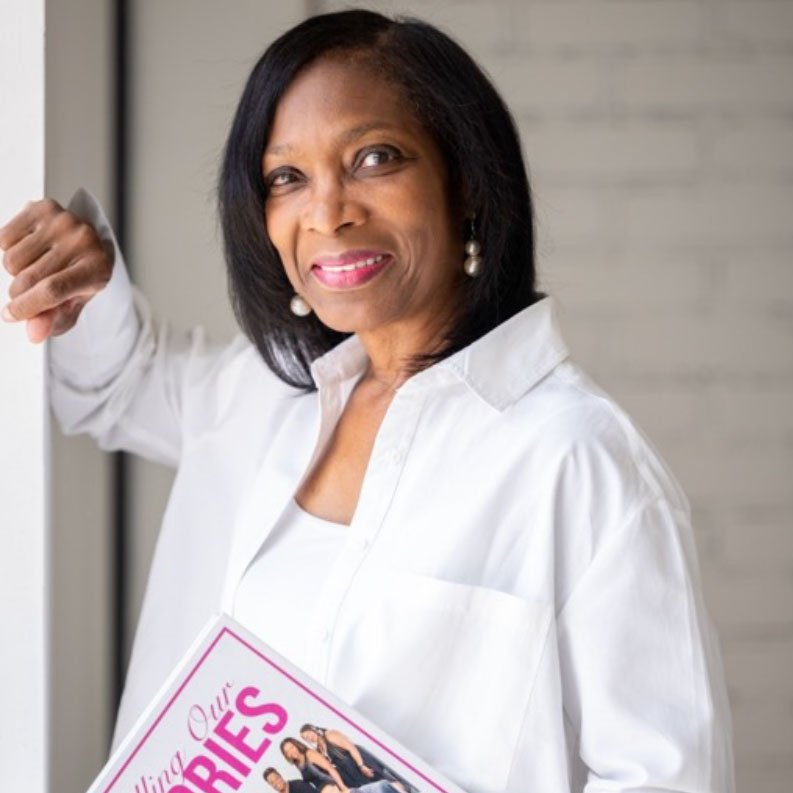
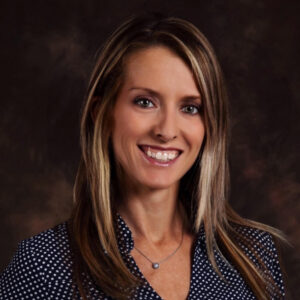
Most people want to stay in their own homes as they age, but very few think about what it actually takes to make that possible. In this episode of The Matt Feret Show, Matt sits down with Erica Sell, Founder of Harmony Home Medical, to discuss aging in place, home accessibility, fall prevention, caregiving, and the smart modifications that can help older adults maintain their independence longer.
Erica shares practical advice on preventing falls, creating dementia-friendly living spaces, planning home renovations with accessibility in mind, and avoiding costly mistakes that many families make when mobility needs suddenly arise. She also explains how caregivers can reduce physical strain, what technologies are changing the future of aging at home, and why small changes made today can save families significant stress, expense, and disruption later. Whether you're planning for yourself, helping aging parents, or navigating caregiving responsibilities, this conversation offers valuable insights into creating a safer, more comfortable future at home.
If you enjoyed this episode of The Matt Feret Show, you may also enjoy:
Retirement Isn't the End: How to Find Purpose, Community, and Joy After 55
Improving Healthcare Support for Older Adults with Olera, Inc. Co-Founder Logan DuBose
Listen to the episode on Apple Podcasts, Spotify, Deezer, Podcast Addict, Stitcher, Google Podcasts, Amazon Music, Alexa Flash Briefing, iHeart, Acast or on your favorite podcast platform. You can watch the interview on YouTube here.
Brought to you by Prepare for Medicare – The Insider’s Guide book series. Sign up for the Prepare for Medicare Newsletter, an exclusive subscription-only newsletter that delivers the inside scoop to help you stay up-to-date with your Medicare insurance coverage, highlight Medicare news you can use, and reminders for important dates throughout the year. When you sign up, you’ll immediately gain access to seven FREE Medicare checklists.
"The products aren't taking away independence—they're preserving it. Sometimes people think using a walker or power chair means giving something up. What I've seen is the opposite. The right equipment keeps the door open to church, friends, travel, coffee shops, and the community. It helps people keep living the life they want."
"If you're already remodeling your home, accessibility doesn't have to look medical. A zero-threshold shower, better lighting, wider spaces, and safer flooring can be beautiful today and life-changing years from now. The best time to prepare your home is before you actually need those changes."
"Most people think aging in place is about reacting to a crisis. It's really about planning ahead. A small investment in accessibility today can help preserve independence, reduce caregiver stress, and potentially save tens of thousands of dollars in future care costs. The opportunity cost of doing nothing is often much higher than people realize."
Host’s Links:
All Things Medicare: prepareformedicare.com
Decoding Social Security: prepareforsocialsecurity.com
My Written Works on Amazon: www.amazon.com/stores/Matt-Feret/author/B09FM3L4WW
The Matt Feret Show YouTube: www.youtube.com/@themattFeretshow
Network with me on LinkedIn: http://www.linkedin.com/in/mattFeret
Follow me on X: twitter.com/Feret_matt
See behind the scenes on Instagram: www.instagram.com/matt_Feret/
Guest’s Links:
Linkedin: https://www.linkedin.com/in/harmonyhomemedical/
Website:https://harmonyhomemedical.com/pages/about-harmony-home-medical-supply
Matt Feret (02:27)
Hey everybody. My guest today works at the intersection of aging, independence, and the place most of us want to stay for as long as possible: home.
She's the founder of Harmony Home Medical in San Diego, and her work focuses on helping people live safely, comfortably, and with dignity in their own homes as they age or face mobility challenges.
She specializes in home accessibility, mobility solutions, and aging in place—everything from simple safety modifications to more advanced medical equipment—with the goal of making homes work with people, not against them.
She's been a guest on podcasts focusing on caregiving, downsizing, and home design, where she talks about fall prevention, dementia-friendly environments, and how to make homes safer without making them feel clinical or institutional.
So if you've ever worried about a parent falling, struggled with caring for someone at home, or wondered how long a house will realistically work as needs change, this conversation is for you.
My guest today is Erica Sell, founder of Harmony Home Medical.
Erica, welcome to the show.
Erica Sell (03:44)
Thank you, Matt. Thanks for having me on. I'm excited to be here.
Matt Feret (03:48)
I'm excited you're here.
For people meeting you and hearing about you for the first time, tell everybody what you do, how long you've been doing it, and what led you into this world of home accessibility, mobility, and aging in place.
Erica Sell (04:02)
Yeah. So you said it well. I help people find the right products and equipment to help them age in place.
About five years into that journey, we added the layer of home modifications and accessibility because people kept asking for it. So I just said yes and began going down that path with contractors and getting my certifications as an aging-in-place specialist and so forth.
I opened my showroom in 2008—a tiny little showroom. Now we have two really big ones.
The intention behind Harmony from the very beginning was catering to the end user and their families, not the third-party payer. So we carried the products that people want and need, not the ones that Medicare reimburses for.
And we educate, educate, educate.
It's a showroom. It's a touch-and-feel model that we created. Sometimes people call us the Toys "R" Us for the aging adult.
We help people navigate what products and modifications exist in a safe space because before we had our store, at least in San Diego, a lot of those sales were done in a hard-sale fashion where someone comes to your home and it's an intense salesperson or sales process.
For our clients, that's not really the best method of sales.
They already have a lot of decisions and stress going on, so a high-pressure sales setting isn't optimal.
I think it's better if people feel like they're getting educated on options and can come into the safe space of the store. Then we go out to their home and do the assessment if they like that process. We have it available.
Matt Feret (05:51)
You know, when you were talking there, I realized something.
Look, I'm not at the age—fortunately—where I have to think about this yet. Or maybe I am and you'll tell me I do need to be thinking about this.
But when you were speaking, I realized I didn't know there were high-pressure sales tactics for things like this.
Now, from my Medicare background and Medicare sales background, I know there are a lot of regulations against high-pressure sales tactics in that space. But you still get one or two bad apples every year who aren't doing things the right way.
Is it the same in your industry?
Erica Sell (06:27)
Well, it's not regulated by Medicare for the categories we're talking about.
Walk-in tubs, shower modifications, stair lifts, and those big-ticket equipment or modification items were generally high-pressure sales, especially the walk-in tub industry.
Those are the products we installed inside our store for people to come see and experience. People can ride stair lifts, try them out, and understand what they are.
We even had a vertical platform elevator for a while. We don't have that now, but we still have stair lifts and showers and tubs for people to experience in that setting.
Before that, it was just high-pressure sales, and there's no Medicare reimbursement for any of that. So it doesn't fall under those guidelines.
Matt Feret (07:18)
Got it.
I don't think a lot of people realize there's an entire profession or industry built around helping homes adapt as people age.
When I hear about it—and probably when many people hear about it—I think of the TV commercials. If I'm watching an old rerun on MeTV, I've seen the walk-in tubs and the chair lifts that take you up the stairs.
If that's what comes to mind when someone hears "home medical equipment," what do you wish they understood right away?
Erica Sell (08:00)
That's a great question.
One thing I wish people understood is that it's a multi-pronged process.
We do medical equipment, but each piece of equipment, each phase of mobility, and each aspect of home accessibility relates to everything else.
That's something people who focus on only one product category often miss, and that can really cause problems.
Sometimes even the Medicare warehouse-style DME providers miss it because every person has individual needs and a unique body makeup.
We want to look at how products meet those needs. But if we get someone the right wheelchair, what other products are they going to need because of that? Maybe threshold ramps, safe entry and exit from the home, or modifications that support a wheeled device.
Or maybe someone is having difficulty with stairs and calls a stair-lift provider who doesn't do anything else.
What happens if they get a stair lift installed and then, one year later, realize they have a tub in their upstairs bathroom and can't afford to remodel it into a roll-in shower?
But they have a walk-in setup downstairs with a guest bedroom.
Now they're going to decide to live downstairs.
There's an entire life cycle of setting your home—and yourself—up for accessibility. You need to think about not only what you need now, but what you may need later and how your home and equipment work together.
A lot of providers don't look at that full spectrum.
As a result, I see people doing double work and making double purchases that they could have avoided if they had looked at the full picture from the start.
Matt Feret (09:50)
Got it. That makes sense.
Matt Feret (10:06)
Makes sense.
So you've got, like, what you're saying is—I'll put it in pseudo-business terms—single-source providers. Somebody that just does walk-in tubs. They may or may not be looking at the step up, step down to the bathroom or where that bathroom is.
So yes, they're filling the stated need, which is, "Fix Mom's tub upstairs." Check.
But they're not looking at: How does Mom get upstairs? Is there really slick tile that needs to be replaced with something that has a little more traction so Mom won't slip? Are there handrails? Maybe there are handrails in the tub, but what about getting from the sink to the tub?
Is that what you're saying—that there's a single-source solution, but then there's a holistic view that needs to be taken into consideration?
Erica Sell (10:56)
Absolutely.
A good example is a client I had who installed a curved stair lift.
Curved stair lifts are very expensive because they're all custom CAD-designed to match the exact curve of your staircase. No two curves are the same.
We're talking anywhere from $15,000 to as much as $22,000.
They installed that lift, and then a couple of years later they couldn't get into their tub in the upstairs bathroom.
They said, "Wow, I wish someone had laid out the expense of this full project."
Because they would have remodeled their downstairs bathroom, made the guest bathroom bigger, and used the downstairs bedroom instead.
They would have created a downstairs living setup.
Instead, they had already spent $20,000 on the stair lift, and now they needed another $20,000 bathroom remodel.
They could have spent maybe $25,000 once and had a complete single-floor living setup.
That's one example of a situation where people come to us and say, "Man, I wish I had known the full picture."
Matt Feret (11:59)
Makes sense.
And it really does make sense to think about it more holistically.
I guess most people assume they'll just figure it out if they need help later.
People have heard the basics: stay on one level if possible, don't have narrow stairs, those kinds of aging-in-place 101 concepts.
But from what you see every day, what actually makes aging in place harder than people expect?
Erica Sell (12:30)
Not preparing for it.
Not thinking about it early on—even at our age now.
Statistically, we remodel parts of our homes every seven to ten years if we're staying there long term. We might do a bathroom remodel, then a kitchen remodel later.
If we're remodeling in our fifties and sixties, that may be the last time we ever remodel those spaces.
So I think it's good to think about accessibility early and remodel with that in mind.
Then there's financial planning.
A lot of the nicer equipment isn't covered by Medicare.
One of my favorite products is a high-low adjustable bed. It's basically a hospital bed with all the features you'd want, but it's beautiful and looks like a normal bed.
That's not covered by Medicare.
But it can add tremendous comfort and remove that hospital feel from your home.
So people need to budget for these things.
Maybe that means long-term care planning or simply setting aside funds and recognizing that their accessibility plan might cost somewhere between $20,000 and $50,000 over a lifetime.
Matt Feret (13:55)
Yeah.
Erica Sell (13:55)
But that's a lot less expensive than leaving your home at age 75 and paying for assisted living through age 95.
It's a much lower cost and often leads to a better outcome to stay at home as long as possible.
Now, there are exceptions.
If socialization becomes a major issue, or dementia reaches a stage where a facility provides better support, then senior living may be the better option.
But if you're able to maintain socialization and community, most people feel better at home.
The cost of care is lower, and quality of life is often better.
Most people want to stay home.
Matt Feret (14:45)
When do families usually call you?
Early and proactive, or in the middle of a crisis?
Erica Sell (14:51)
Probably 60/40 on the crisis side.
More often than not, people are calling because they need something immediately.
They're in a crisis situation or trying to do the minimum necessary response.
But there is a growing group of people planning ahead.
That percentage used to be more like 80/20.
Now it's closer to 60/40.
About 40% of people are looking ahead, scheduling home assessments, and gathering information—even if they don't take action immediately.
I saw a lot more of that last year.
Many of them were in their late sixties or early seventies and still very active in their communities.
They learned about us through senior centers.
We'd perform a home assessment, lay out a game plan, and then they could implement changes as needed.
There has definitely been an uptick in that kind of planning because these conversations are happening more often and people are becoming more aware.
Matt Feret (15:54)
Huh.
Your answer surprises me—but I'm glad to hear it.
I honestly thought it would still be 80% crisis-driven.
Maybe that's my personal bias from conversations I've had with friends and people around me.
I've heard a lot of stories like, "Dad's 86 and has no plans to do anything. If something happens, we'll deal with it then."
So I'm glad it's moving in a different direction.
You mentioned home assessments, and I think that's really interesting because it allows someone to come into your home and say, "Here's what you're dealing with."
Most people don't think about things like where the washer and dryer are located or whether that setup will continue to work in the future.
What are the most common safety issues people overlook because they seem minor or harmless at first?
Erica Sell (17:07)
Small stairs.
I see that all the time.
People dismiss one or two steps and assume they'll never be a problem.
But then the day comes when they are.
I've had this happen twice in the past year.
People considered their second story. They considered the large staircases. But they ignored two small steps.
Then a spouse became wheelchair-bound—one woman had a stroke—and those two little steps completely changed how the home functioned.
There wasn't enough room for a ramp.
A lift wasn't a good solution.
The choices became major construction or entering the home through the backyard and coming all the way around.
That's actually what they ended up doing because those two little steps became such a huge obstacle.
I saw another example involving entryways.
The client installed a straight stair lift.
But before reaching that lift, there were two steps.
To include those steps would have required a curved stair lift.
The price difference between a straight stair lift and a curved stair lift is significant.
So they skipped those two steps and figured they'd just deal with them.
Eventually they couldn't.
And those two steps effectively prevented them from reaching the stair lift at all.
So little things matter.
People often focus on the big issue and overlook the smaller obstacles.
I also see people remodel tubs into walk-in showers.
This isn't work we do because we won't allow it, but they'll install an "accessible" shower with a four-inch curb.
Or they'll really try to make it accessible and get it down to three inches.
That's still not accessible.
Part 3
Erica Sell (18:53)
I've had multiple people come in and they're trying to figure out ramps and other solutions because that little bit of a lip they could get over before, they can't now.
And it's not always wheelchairs that create the issue.
Sometimes it's neuropathy. Sometimes it's balance issues. Sometimes it's reduced mobility.
Even that three-inch lip can become too much.
So I see people make an effort and have a game plan, but they assume they'll never reach that next level of need.
The reality is they should plan from the beginning to make their home functional no matter what level of mobility they reach.
Often, when you start with that mindset, it's actually less expensive because you make the changes once. They may cost a little more initially, but they last forever.
That's how I think about remodeling now.
When we remodel homes in our fifties and sixties, I believe accessibility should be part of the plan.
For example, I remodeled my own upstairs bathroom for accessibility because I know how to do it.
It didn't cost me much more—maybe $500 more in plumbing for a linear drain than it would have otherwise.
And aesthetically, it's beautiful.
Hotels are doing it.
Europe has had wet rooms for decades.
If you do it now, it doesn't need to look accessible, but it still gets the job done if you never want to remodel again.
Matt Feret (20:20)
Yep.
I want to get into the aesthetic piece because I'm sure you hear this all the time.
In my head, I picture the grab bars in public restrooms and think, "Wait, are those the grab bars that are going to be in my house someday?"
And nobody wants that.
But before we get there, let's go back to making a house more accessible.
Let's talk about falls.
Falls are one of the biggest fears people have as they age.
They're also one of the biggest risks.
People may have had a relative who fell or parents who have fallen, but the reality is the likelihood of falling after age 60 increases dramatically.
People don't really think about it until they start shuffling, slowing down, or noticing changes in their balance and muscle tone.
You can be in excellent shape and still be at risk.
And you're right—the falls I hear about aren't usually someone tumbling down twelve stairs.
It's somebody missing the last step.
That's a huge fear.
In your experience, what usually causes falls?
And how many of them are actually preventable with the kinds of small changes you're talking about?
Erica Sell (21:49)
A lot of them are preventable.
We have plenty of stories where someone delayed making a change—even something as simple as installing grab bars—and then Mom or Dad had the fall that resulted in hospitalization.
The things we do absolutely help prevent falls.
Now, there are some falls that are fairly random.
Someone falls in the middle of a room and there may not have been anything specific that could have prevented it.
But one thing that's important to understand is that once someone has a fall, they're much more likely to have another one.
It's not just about physical ability.
There's also fear.
Once you've experienced a fall, you become more aware of the possibility.
It's similar to how our brains work in other situations.
Once something happens, our reticular activating system starts noticing it everywhere.
You become more conscious of it.
You get a little nervous.
You move differently.
You don't move as fluidly as before.
So it's really important to prevent that first fall if you can.
Let's start with the bathroom because about 80% of in-home falls happen there.
There are so many things that can help.
Grab bars. Grab bars. Grab bars.
I think grab bars are becoming what seat belts became.
Before everyone wore seat belts, there was resistance.
Now everyone uses them.
My kids have grab bars in their bathroom.
Everybody should have them.
Another thing is color and flooring transitions.
If you're going to have a flooring transition, make it visually obvious.
Don't go from brown flooring to another shade of brown flooring.
Create contrast.
Have a dark color meet a light color.
Make the transition strip a different color.
As we age, we need more light to see the same things.
Visual contrast becomes increasingly important.
Bright lighting and color distinctions help people identify changes in flooring and avoid trips.
Then there's the flooring itself.
Use higher-friction flooring materials so people are less likely to slip.
Those relatively simple changes can prevent a lot of falls.
And again, if people can prevent that first fall, they often reduce the likelihood of future falls as well.
Because once that fear sets in, it changes how people move.
Matt Feret (24:18)
That's fascinating.
I've never heard anyone talk about the psychology of falling before.
And it makes sense once you explain it.
If you have one fall, you're naturally going to become a little jumpy about the next one.
Erica Sell (24:37)
Exactly.
The numbers are actually pretty significant.
Depending on the study, someone who has already experienced a fall is somewhere between 60% and 80% more likely to fall again than someone the same age who hasn't fallen.
There are fall-prevention programs and gait-training programs that address this.
I used to present with a fall-prevention task force here in San Diego.
They spend a lot of time discussing the psychological effects of falling.
But ultimately, preventing the first fall is still the best outcome.
Afterward, we can use equipment, environmental changes, and therapy to help.
But avoiding that first fall is always preferable.
Matt Feret (25:21)
A lot of your work obviously intersects with caregivers.
Spouses.
Adult children.
Family members who never planned on becoming caregivers.
What do caregivers underestimate about caring for someone at home?
Erica Sell (25:31)
The challenge of it.
It's incredibly challenging.
And I think caregivers should be open to equipment that can make their lives easier.
There are products available, and people often resist the bigger ones—especially patient lifts.
They don't want to use them.
One option is called a sit-to-stand lift.
Unlike a traditional patient lift, where someone is suspended in a sling, a sit-to-stand lift keeps them upright and supported.
People tend to feel much more comfortable with those.
The reality is that if you don't take care of yourself, you can't take care of your loved one.
These products help prevent caregiver injuries and make transfers safer.
So I recommend people start exploring sit-to-stand lifts as soon as transfers begin to get difficult.
If someone is holding onto you and you're doing all the lifting, that's a sign.
It's also really important to take transfer-training classes.
We teach them.
There are videos online.
Learning proper body mechanics makes a huge difference.
But when you reach the point where someone is really pulling on you during transfers, a lift system becomes priceless.
And again, there are options that aren't as intimidating.
Sit-to-stand lifts are a great example.
And then there's the bed.
That high-low adjustable bed I mentioned earlier—whether it's a beautiful residential-looking model or a hospital-style model—can make caregiving significantly easier.
Many hospital beds sit relatively low.
Caregivers still have to bend over.
There are beds that raise much higher, allowing caregivers to work at a more comfortable height.
That means less strain on their backs while performing care, repositioning someone, or helping with daily activities.
There are products that truly make caregiving easier.
Sometimes people resist them because of cost.
Other times it's because they think, "I've got this. I can take care of Mom or Dad myself."
But they're not always looking for the tools that could make that responsibility much easier.
Matt Feret (27:45)
Yeah, you've talked about that in other interviews I've seen and heard about—a safer caregiver environment, but also a calmer one.
I have to imagine that even if you're in the home helping Mom or Dad, and you need to go out for a little while, there have to be things that can be installed in the home, or processes put in place, so you're not constantly thinking:
"Did Dad take a shower today?"
"Is he going to fall?"
What does that actually look like in practice for caregivers?
What are some of the things caregivers can have in the environment that help not only when they're there, but also when they're away?
Erica Sell (28:18)
Yes.
There's so much coming out in this part of the industry.
One thing we're working with right now is a monitoring system—a private, noninvasive monitoring system—that uses tiny sound-wave technology.
I believe it's called MMR technology.
It can tell you where someone is in a room, notify you immediately if they've had a fall, and begin tracking habits and routines.
Did Mom or Dad shower today?
Did they get out of bed?
How much time did they spend in bed?
It can also measure heart rate and respiration without physically touching them.
These tools allow caregivers to know that their loved one is following daily routines safely, that they're okay when you step out for a while, and that they're resting safely when they need to.
Maybe they're sleeping longer than usual, but you know they're breathing, their heart rate is normal, and they're okay.
The technology around this is growing rapidly.
The reason we prefer this system is because it preserves privacy.
There are plenty of systems that use two-way audio and video monitoring, but many people find those invasive.
We prefer solutions that provide information without feeling intrusive.
There are now many options available for remote monitoring and remote caregiving.
And now AI is entering the caregiving world as well.
Some systems provide social interaction, entertainment, games, conversation, and other forms of engagement.
There is a lot on the horizon in this area.
Matt Feret (30:21)
You've talked a lot about this, and I told you I was going to bring it up, so I'm bringing it up.
I'm sure you've heard people say—and I've said it myself—"I don't want my house to look like a hospital or a long-term care facility."
How do you help people and families balance safety and function with style and comfort?
Erica Sell (30:33)
Yeah, great question.
A big part of it is seeking out products that perform the functions people need but look beautiful.
Going back to the bed example, there are wonderful high-low adjustable beds now that look nothing like hospital beds.
The same is true for lift chairs.
Lift chairs can do an incredible amount, and many of them are beautiful.
When the Easy Sleeper came out a couple of years ago, I looked at it and thought, "This chair is gorgeous. I want one in my house."
There are also ways to conceal the more medical-looking equipment.
For example, if someone eventually needs a ceiling lift system, we can integrate the track into the ceiling and use a small motor mounted overhead.
There's no large piece of equipment sitting on the floor and dominating the room.
When it comes to accessibility design, there's so much you can do aesthetically.
Custom tile work.
Beautiful showers.
Even prefabricated shower systems have improved dramatically.
One of my favorite lines is Best Bath.
If someone needs a quicker, more budget-friendly remodel, they now offer beautiful finishes, glass tile inlays, and attractive design options.
You absolutely do not have to end up with a hospital-looking bathroom.
You can have a beautiful, accessible bathroom.
The area where aesthetics can be a little more challenging is around stairs.
If you need a stair lift, ramp, or accessibility feature at the front entrance of your home, you may have to get more creative.
But even there, you can use landscaping.
You can bring in fill dirt and regrade an entrance rather than installing a large ramp.
You can select lifts that are more visually appealing.
We have glass elevators.
We can powder-coat rails in different colors.
I recently saw a curved stair lift finished in a rich bronze color that matched the staircase beautifully.
You could still tell it was a lift, but it integrated very well into the home.
Matt Feret (33:03)
So you must see attitudes changing over time.
And not only attitudes, but manufacturers changing as well.
It sounds like accessible design is very different today than it was even a few years ago.
Erica Sell (33:14)
Oh, absolutely.
It's changed dramatically over the last decade.
The conversation around accessibility has changed, and the products have changed.
Even traditional medical equipment has become more attractive.
There are more colors.
More modern designs.
More stylish options.
One of the biggest barriers for people is the psychological challenge of using a medical device like a walker or rollator.
But what's interesting is that barrier often disappears in senior communities.
In independent living communities, senior villages, and assisted living settings, people compare equipment.
It's almost like asking, "Who has the coolest one?"
Who has the nicest rollator?
The nicest scooter?
And honestly, some of the powered mobility equipment available now is impressive.
Carbon-fiber folding models.
Ultra-lightweight designs.
Some weigh only twenty-six pounds and fold into incredibly compact packages.
Across the board, manufacturers are making products lighter, better-looking, and more integrated into everyday life.
Matt Feret (34:17)
Yeah, you just touched on something important.
Mobility equipment can feel like a major emotional step.
People think:
"I don't want to feel old."
"I don't think I'm old."
"I don't feel old."
"I'm 85, but I feel 45."
I'm sure you and your staff deal with that every day.
You must see situations where an adult son or daughter drags Mom into the showroom and Mom doesn't want to be there.
How do you help people—and families—know when it's time to consider things like walkers, lifts, adjustable beds, or bathroom modifications without making it feel like a loss of independence?
Without making it feel like, "You're old now and you need old-people equipment"?
Erica Sell (35:00)
Yeah.
One clue is what I call wall-walking or furniture-walking.
You notice someone moving through the house from the couch to the counter to the table, always planning where they're going to grab onto something next.
When you start seeing that, it's time to consider a walker.
Our stores are designed to help reduce some of the emotional resistance.
People can see different colors, different styles, and experience how much more stable they feel.
But sometimes even that isn't enough.
I've had families buy equipment for Mom or Dad and simply leave it in the room.
Nobody pressures them.
Nobody watches them.
And eventually, when they're alone, they try it.
They experience how much more stable and secure they feel.
That often helps them begin using it outside the home.
I've seen that work many times.
One example was a gentleman who rolled around his house in an office chair because he refused to use a walker.
Eventually his family left the walker near his desk.
Over time, he started using it.
It can be a difficult transition.
I try to focus families on maintaining quality of life.
These products aren't about taking things away.
They're about keeping the door open to the things people love.
Church.
Friends.
Travel.
Coffee shops.
Community activities.
I had a client who was a large, strong man and a veteran.
He was deeply involved in his community and used to go to the same coffee shop all the time.
He eventually reached the point where his rollator wasn't enough and he really needed a power wheelchair.
He refused.
He insisted he didn't need it.
Technically, he could still get around his house.
But what he didn't realize was that two years had gone by and he hadn't gone to that coffee shop once.
His world had quietly shrunk.
His wife was also a client of ours, so I saw them frequently.
She used a power chair.
We'd service her chair and talk with him, and he continued insisting he didn't need one.
Eventually, she convinced him.
He finally got the power chair.
He went back down to that coffee shop in their neighborhood for the first time in two years.
And they still remembered his name.
He cried.
Honestly, it makes me emotional thinking about it.
He had convinced himself that staying home didn't matter because he didn't want the equipment.
But once he accepted it, he got his life back.
He could participate again.
He could reconnect with his community.
Matt Feret (37:59)
How do people...
Look, you're in San Diego, right? But this is for everybody across the country—and other countries as well.
I have to assume that smaller towns, rural communities, and smaller cities probably don't have showrooms like yours. Maybe I'm wrong, but I've never driven through my community looking for something like Harmony Home Medical.
Maybe they're there, but if they're not, people are probably buying this stuff online if they're buying it at all.
Or they're buying it from durable medical equipment shops that, to your point earlier in the show, might sell a bed, but who's coming into the house to do these assessments?
Can people go into showrooms and see what all of this looks like before they start clicking around online trying to find something for Mom—or for themselves?
What's your guidance for people who aren't in San Diego and can't just come visit Harmony?
Erica Sell (39:20)
Yeah, there are not a lot of places that are as show-and-tell focused and as robust as Harmony.
But there are places.
The first thing I'd recommend is simply Googling "medical supply near me" and seeing what comes up.
A lot of those businesses operate under the traditional model. They're often focused on billing Medicare, and because they bill Medicare, they tend to carry lower-end equipment.
Unfortunately, Medicare reimbursement rates have been reduced significantly over the years.
Since I started in this industry, Medicare allowables have decreased by about 42%, while equipment costs have gone up substantially.
It's very difficult to provide premium equipment within those reimbursement limits.
However, there is another option.
You can work with a company like Harmony—or another quality provider—and purchase the equipment you actually want. Then you can submit the receipt and billing codes to Medicare and receive reimbursement for the portion Medicare covers.
For example, maybe you purchase an $800 lightweight wheelchair that's easy to transport and fits your lifestyle.
Medicare may reimburse you $300, which is what they would have paid toward a standard wheelchair.
At least you're getting some assistance while still getting the product you truly want.
I would start by seeing what's available locally.
But if there isn't a good provider in your area—someone focused on helping people age well—then use online resources.
Visit our website.
Watch our YouTube videos.
Educate yourself.
And call.
There are online dealers such as Harmony, SpinLife, and Med Mart.
We have a full online store as well.
These companies sell nationwide and offer support.
I like to think we go a little further because we'll do virtual assessments using FaceTime and similar tools.
We have that service available through our website.
I've literally done virtual home assessments where people walk through their homes with me on FaceTime while I evaluate accessibility needs.
Matt Feret (41:18)
Look at that.
I didn't even think about that.
You can actually do that?
That's cool.
It makes perfect sense, but I honestly never thought about it.
That's a lot better than trying to figure everything out yourself.
If I were helping my mom, I wouldn't even know where to begin.
If she's using a cane she bought at CVS, what does that mean?
Do I need to cane-proof the house?
Who helps me think through all of that?
I wouldn't even know where to start.
Erica Sell (43:32)
Yeah.
When it comes to evaluating a home, I recommend that everyone look at it through the lens of wheeled mobility.
Because again, we don't want to do things twice.
There's actually very little difference between planning for a walker and planning for a wheelchair.
In some situations, a small threshold might be easier for someone using a walker than a ramp would be.
But that's really one of the only distinctions.
So when you're evaluating your home, imagine that you'll eventually be using a wheelchair.
Think about doorway widths.
Think about thresholds and steps.
Think about transfer areas and whether there's enough room next to them.
If you're going to consider accessibility, consider it at the most advanced stage.
If your home works for that level of need, it will work for every stage before it.
Matt Feret (44:06)
Interesting.
Really good advice.
I want to ask a couple more accessibility questions, but I also want to shift into something we haven't talked about yet, and that's dementia.
There are hundreds of different types of dementia.
I may get this statistic wrong, but I believe projections suggest that roughly one in three people may develop some form of dementia.
When it comes to dementia-related conditions, what do people need to think about regarding their homes?
Erica Sell (45:01)
One thing I would say is that the earlier you prepare, the better.
And that principle applies to dementia more than almost anything else.
With dementia, short-term memory and the ability to learn new tasks become increasingly difficult.
That includes learning how to use new equipment.
Learning a new bathing routine.
Learning a new transfer process.
Even if the equipment would help them tremendously, it can become difficult to adopt later.
I've had clients with dementia who absolutely needed walkers but simply couldn't remember how to use them correctly.
The earlier you introduce equipment and routines, the more likely they are to become part of long-term memory.
That makes a huge difference.
So with dementia, earlier is always better.
Another important concept is universal design.
Universal design and accessibility design are often interchangeable terms.
The goal is to make spaces easier for everyone to use.
Less clutter.
Fewer obstacles.
More open spaces.
Grab bars and handholds in the right locations.
Good lighting.
Simple layouts.
These things benefit everyone, but they become especially valuable for people living with dementia.
Erica Sell (45:01)
These universal design concepts become especially valuable for people living with dementia.
But beyond making things easier to navigate and introducing equipment early, dementia becomes a caregiving challenge as it progresses.
Someone may be physically capable and not need mobility equipment at all, but cognitively they may no longer remember to eat, bathe, dress, or take medications.
At that stage, equipment can only do so much.
The bigger need becomes caregiving support.
Every state is different, but in California we have IHSS, which is a Medicaid-funded program that can pay a loved one to become a caregiver.
Families often have to restructure assets and finances to qualify, but it can be a tremendous resource.
We also have respite care services through organizations like the Alzheimer's Association that allow caregivers to take breaks.
And we have wonderful adult day programs.
One example is the Glenner Center.
They've created environments that feel like throwback communities—with 1950s-style soda fountains, classic cars, and familiar settings where participants can spend time socializing and engaging with others.
A lot of families resist adult day programs.
Sometimes the person with dementia resists them.
Sometimes the family resists them.
But I always encourage people to stay open-minded and explore what's available.
Some of these programs are wonderful.
They're a godsend for families.
They provide social interaction, stimulation, supervision, and relief for caregivers.
Because at a certain point, twenty-four-hour caregiving becomes unaffordable for most people.
As dementia progresses, caregiving becomes a much larger component of the equation than equipment or accessibility modifications.
Matt Feret (48:22)
Thank you for that.
I want to ask a couple more questions around planning ahead versus waiting too long.
I'll break it into two parts.
First, let's talk about caregivers.
Then we'll talk about people planning for themselves.
For the caregiver who's noticing changes and whose parent or parents aren't noticing them—or maybe they're denying them—and the parent says, "This doesn't apply to me yet."
What would you want that caregiver to know?
And how can they bring it up without offending Mom or Dad?
And if Mom or Dad dismisses it the first two times—or the first fifteen times—what are the best ways caregivers can get through to parents who insist they're fine?
Erica Sell (49:20)
I would tell them to keep trying.
Approach the conversation from different angles.
Sometimes our loved ones don't hear us the same way they hear someone else.
They're simply less receptive because we're family.
In those situations, a third party can be incredibly effective.
One profession that's really grown over the last decade is private-duty care management.
These are often nurses—or people with nursing backgrounds—who provide concierge-style care management.
They can attend medical appointments, advocate for patients, help coordinate care, explain medical information, monitor medications, and make sure everyone is on the same page.
Because the reality is that healthcare can be fragmented.
One doctor may not know what another doctor is prescribing.
Families can become overwhelmed trying to keep everything organized.
A care manager becomes an advocate and coordinator.
They can also be a neutral third party who helps explain needs in a way that parents may be more willing to hear.
Sometimes just having that outside professional perspective helps.
Another option is a private occupational therapist.
We've seen a lot more private OTs doing home assessments and accessibility evaluations.
They often provide a deeper clinical perspective.
And again, because they're viewed as experts, people may be more willing to listen.
Beyond bringing in a third party, I encourage families to try different emotional approaches.
Sometimes it's about concern.
Sometimes it's about love.
Sometimes it's about explaining how the situation affects you.
You might say:
"Mom, I need this for me because I'm worried."
"Dad, this keeps me up at night."
"This causes me stress because I care about you."
Different people respond to different motivations.
Sometimes concern for themselves isn't enough, but concern for their children is.
And then, if possible, get the physician involved.
It's amazing how much authority a doctor still holds in many people's minds.
Even when doctors aren't experts in equipment or accessibility, people trust them.
I've had doctors write prescriptions for equipment and tell patients, "Medicare will cover it."
Then the patient comes to us and we have to explain that Medicare doesn't actually cover it.
But because the doctor said it, they believe it.
So if you can get the physician involved in encouraging accessibility changes, equipment, or safety planning, that can be incredibly effective.
Matt Feret (52:22)
That's a great answer.
Now let's talk about the person in their fifties, sixties, or seventies.
You mentioned earlier that people remodel their homes every seven, ten, maybe fifteen years.
If someone listening today is healthy, active, and thinking, "This doesn't apply to me yet," what would you want them to know?
Erica Sell (52:49)
I'd want them to know that life can change at any time.
And I don't mean that in a negative way.
It's just reality.
The clients we're seeing with ALS and Parkinson's are getting younger.
This year I have a thirty-nine-year-old client with ALS.
Things happen.
Strokes happen.
And strokes happen to active, working adults.
They happen to caregivers.
I see adult children who are raising kids, working full-time jobs, and caring for aging parents all at the same time.
That's an enormous amount of stress.
And stress is a major risk factor for many health problems.
So while we all hope to stay healthy and active, preparation matters.
A little preparation now can make an enormous difference later.
Erica Sell (52:49)
A little preparation in the beginning goes a really long way.
If you're an active, healthy adult and you're going to invest money into your home and remodel, I encourage you to spend some time looking at accessibility design ideas.
Google images.
Browse Houzz.
Look at examples of zero-threshold showers and European-style wet rooms.
One of the first mainstream accessible showers I ever saw was in a hotel more than a decade ago. At the time, those designs weren't very common in the United States, but they had already been widely adopted throughout Europe.
It was beautiful.
There was a linear drain, frameless glass, and a clean, modern design.
The additional plumbing cost wasn't dramatic.
Maybe a few hundred dollars more in materials and some additional labor.
But if you're already remodeling, those costs are relatively small compared to having to remodel again later.
I encourage people to look at those designs and imagine them in their own homes.
Accessibility doesn't have to look institutional.
You can make choices today that are beautiful and functional.
If you're moving and shopping for what may become your forever home, think about first-floor living.
If you buy a two-story house, make sure there's a downstairs bedroom, guest room, or ensuite that could be adapted if necessary.
Or look for a home with stacked closets where an elevator could be installed later.
You should absolutely think about these possibilities now because none of us know what life circumstances we'll face.
Even if nothing major happens, universal design still makes life easier as we age.
Good lighting.
Low-slip flooring.
Zero-threshold entries.
Wide doorways.
These features make homes more comfortable for everyone.
So my message is simple:
It's never too early.
And because we never know what life may bring, it's wise to incorporate accessibility when you're already making investments in your home.
Matt Feret (56:29)
Thank you.
Two questions left.
Based on everything you see—including the younger clients you mentioned—and at the same time the reality that people are living longer and staying active longer, what gives you hope about how people are aging today?
I think there's a popular joke among Gen X that everyone between forty-five and sixty-five still thinks they're thirty-five.
And honestly, there may be some truth to that.
People are still riding bikes, staying active, working, and taking care of parents.
What gives you optimism about the future?
Erica Sell (57:07)
So much.
This isn't really Harmony Home Medical's industry, but it's something I'm personally very interested in.
What excites me is everything happening in biohacking, neuroscience, longevity research, and gene-based therapies.
I'm very hopeful about what we're learning regarding ALS, Parkinson's disease, Alzheimer's disease, and other neurological conditions.
There are incredible discoveries happening around gene expression and understanding why these diseases develop.
We're beginning to identify underlying causes in ways we couldn't before.
Personally, I tend to be skeptical of the pharmaceutical industry because I sometimes feel like there are incentives to manage disease rather than eliminate it.
But the science emerging right now is moving very quickly and becoming increasingly difficult to ignore.
In some ways, it reminds me of what happened with the medical marijuana movement.
There was resistance for a long time, but eventually the evidence became too significant to dismiss.
Gene-based therapies feel similar to me.
Researchers are learning how genes are expressed, why certain people develop diseases like Alzheimer's or ALS, and how those processes might be interrupted.
I think we're getting very close to major breakthroughs.
In my own life, I try to be proactive.
I have an oxygen concentrator.
I have a hyperbaric oxygen chamber in my garage.
Matt Feret (58:50)
You really do?
That's awesome.
Erica Sell (58:52)
I do.
I use an infrared sauna three or four days a week.
I recently bought a cold plunge.
I'm interested in hot-and-cold contrast therapy and the concept of hormesis—challenging the body in small ways to encourage resilience and cellular renewal.
As we're living longer, our bodies are lasting longer, but some diseases emerge because damaged or dysfunctional cells continue replicating.
Now, I'm not a physician, so I'm simplifying this considerably.
But I've read a lot on the topic, and I attend Longevity Fest in Las Vegas every year.
It's a fantastic conference.
There are so many promising developments happening.
Many of them focus on helping the body activate its own healing systems rather than simply relying on medications.
What excites me most is the possibility of preventing or delaying some of the neurological diseases that impact quality of life as we age.
Physically, we're already proving that people can live longer and remain active.
The challenge is avoiding diseases like cancer, dementia, Parkinson's disease, ALS, and MS.
If we can continue making progress there, we can better align lifespan with healthspan.
I truly believe we're getting close.
Within the next decade, I think we'll understand much more than we do today.
That's what gives me hope.
Matt Feret (1:00:19)
That's inspiring.
Thank you.
Last question.
How can people find you, learn from your educational content, and learn more about Harmony Home Medical?
I know you're based in San Diego, but you've also mentioned some resources for people outside Southern California.
Erica Sell (1:00:29)
Absolutely.
We're based in San Diego, California.
Our website is HarmonyHomeMedical.com.
There's a tremendous amount of educational content there, including information about products and accessibility solutions.
Our YouTube channel is another great resource.
We've produced a lot of content explaining products, comparing equipment, and demonstrating how things work.
We're getting ready to produce even more educational videos.
I try to create content that answers practical questions like:
"What's the difference between these beds?"
"How do you safely use a patient lift?"
"How do you reposition someone?"
The kinds of details that are often difficult to find elsewhere online.
So our YouTube channel is a great resource.
And there are other good educational channels out there as well.
AARP has done a wonderful job creating resources and educational content around aging, caregiving, and accessibility.
SpinLife is another national provider of medical equipment.
Of course, I'd tell people to call us first because our approach is highly personalized and customized.
But there are companies out there trying to help people make informed decisions.
What I would caution people against is buying strictly based on price from places like Amazon or Walmart.
A lot of equipment sold through those channels is built to meet a price point rather than a quality standard.
Erica Sell (1:00:29)
A lot of equipment sold through those channels is built to meet a price point rather than a quality standard.
There's often built-in obsolescence. The product is designed to last only so long before it breaks and needs to be replaced.
Instead of being able to replace a wheel, a brake, or another component, people end up throwing the entire product away and buying another one.
That's why I encourage people to look for manufacturers that prioritize durability and long-term value.
Brands like Nova are excellent examples. They make quality mobility products that are designed to last.
Strongback wheelchairs are another example.
iCare beds are excellent products.
You can visit our website and see many of the products we recommend.
We spend a lot of time evaluating equipment based on value, not just price.
Sometimes a product costs a little more initially, but you'll only have to buy it once.
That's better for the customer, and honestly, it's better for the planet as well.
Matt Feret (1:03:06)
Erica, this has been incredibly helpful.
Thank you.
What I really liked about our conversation is that it reminds people that aging well isn't about reacting to emergencies.
It's about making thoughtful decisions early.
It's about protecting independence, reducing stress on families, and supporting better health outcomes over time.
Those decisions preserve more than just safety.
They preserve dignity.
And they create positive ripple effects throughout every area of life—from physical well-being to peace of mind and long-term financial stability.
This stuff isn't inexpensive.
But to your point, it's about value, not simply choosing the cheapest option.
People need to think about these decisions early.
And they also need to think about the opportunity cost of doing nothing.
Spending $15,000 on accessibility modifications can feel like a lot of money.
And it is.
But compared to moving into assisted living a year earlier at $10,000 per month, the equation starts to look very different.
People need to think about accessibility not just as a purchase.
They need to think about it as an investment in maintaining their quality of life.
There's a cost to not making these changes, too.
And I think a lot of people don't think about that.
So thank you for bringing that perspective to the conversation.
Thank you for the work that you do.
And thank you for joining me today.
Erica Sell (1:04:03)
Exactly.
Yeah, it was my pleasure.
I love talking about this topic because it really is important.
I work with seniors every day, so I probably think about aging differently than most people.
And I want to share those lessons because most people don't work in the senior industry.
Most people don't spend much time thinking about aging.
But all of us are going to get there eventually.
And I think it's better to get there with ease, grace, preparation, and even a little fun—rather than arriving there in the middle of a crisis.
Matt Feret (1:05:00)
I agree one hundred percent.
And to everybody watching or listening, you're making a smart move simply by thinking about these things before you're forced to.
Listen to what Erica said and take it seriously.
Decisions like these shape your health, your finances, and the quality of the years ahead.
Thank you for listening.
Thank you for watching.
And thank you for being part of this community focused on living with wealth, wisdom, and wellness.
Until next time, I'm Matt Feret.