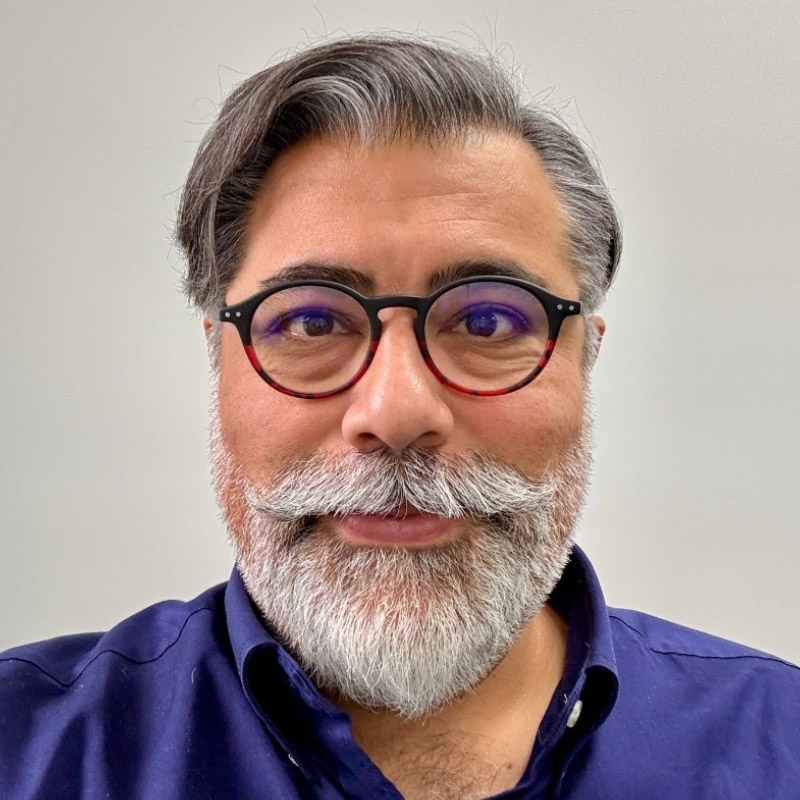
In this episode of The Matt Feret Show, Matt Feret sits down with ESOP consultant Matt Middendorp to explore how employee ownership is reshaping the way people think about work, wealth, and career fulfillment—especially in midlife. Moving beyond traditional conversations about retirement or business exits, the discussion examines Employee Stock Ownership Plans (ESOPs) as an alternative model that aligns employee success with company performance. Middendorp shares real-world insights into how employee-owned companies foster stronger cultures, higher retention, and long-term financial security while offering business owners a legacy-driven transition strategy outside of private equity or layoffs. Together, they unpack why so many professionals have never heard of ESOPs, what employee ownership teaches us about purpose and identity at work, and how individuals at any career stage can rethink success, stability, and the value they help create.
If you enjoyed this episode of The Matt Feret Show, you may also enjoy:
The Psychology of Money: How Emotions, Biases, and Behavior Shape Investment Success
Infinite Banking Explained: An Alternative to 401(k)s and Retirement Accounts
Listen to the episode on Apple Podcasts, Spotify, Deezer, Podcast Addict, Stitcher, Google Podcasts, Amazon Music, Alexa Flash Briefing, iHeart, Acast or on your favorite podcast platform. You can watch the interview on YouTube here.
Brought to you by Prepare for Medicare – The Insider’s Guide book series. Sign up for the Prepare for Medicare Newsletter, an exclusive subscription-only newsletter that delivers the inside scoop to help you stay up-to-date with your Medicare insurance coverage, highlight Medicare news you can use, and reminders for important dates throughout the year. When you sign up, you’ll immediately gain access to seven FREE Medicare checklists.
“You immediately recognize that there is a cultural difference when a company is employee owned, that there is a shared responsibility, that there is a shared commitment to the success of the company and to the individual people that work in it. And it very much becomes an identity and a culture inside of the group that ⁓ when people recognize, I mean, we hear stories all the time, right? You've got Publix, a grocery store that's an employee owned company. And you hear about the cashier that worked there for 30 years and retires a multimillionaire. Right. And that sense of. ⁓ It's not just the owner of the company showing up in another Corvette the next year, different color, same model kind of thing that they actually benefit from the input that they give their time, and expertise.”
“The amazing thing was, was leadership projected a certain amount of cutbacks that we have to cut so many people. I can't remember the exact number off the top of my head, but it was significant enough that people were looking at the person next to him and saying, man, are we all going to work here tomorrow? Right. But no, not a good feeling at all. Right. But the cool part about this is, the people inside of the company, ⁓ the people that worked there, the everyday again, I was a punk college kid driving a forklift, right. Delivering paper to presses. ⁓ came up with ideas and efficiencies and ways to simplify processes that created savings that meant the impact of those cuts was, again, I wish I had exact numbers. I wish I prepared this story, but far, far, far less than they thought.”
“Our needs change as we mature professionally, right? ⁓ I know when I was 30. I wanted a strong mentor. I wanted somebody who could lead me and guide me to the promised land. Now, the interesting thing about that is, is what the promised land is has changed a lot in the ensuing two years, three years. I'm just kidding. Decades, right? Decades. So what can ESOP teach us about that? I think it can show us a different kind of goal professionally. I think, well, and let's look at this from two different angles. Let's look at this from the employee angle first, right? When we've talked about this at length, so we probably don't need to dig deeply into it. But again, I'll say it, if I'm working for a company where I have a vested interest and let's just be honest, the financial goals of the company and the ESOP company are in line with the employees for probably the first time.”
Host’s Links:
All Things Medicare: prepareformedicare.com
Decoding Social Security: prepareforsocialsecurity.com
My Written Works on Amazon: www.amazon.com/stores/Matt-Feret/author/B09FM3L4WW
The Matt Feret Show YouTube: www.youtube.com/@themattFeretshow
Network with me on LinkedIn: http://www.linkedin.com/in/mattFeret
Follow me on X: twitter.com/Feret_matt
See behind the scenes on Instagram: www.instagram.com/matt_Feret/
Join our community on Facebook: www.facebook.com/themattFeretshow/
Follow me on Instagram:Matt Feret (@matt_Feret) • Instagram photos and videos
Guest Links:
Guest Linkedin: Matt Middendorp | LinkedIn
Matt Feret (02:30)
Hey everybody, today's conversation is about work, identity, and what happens when people start asking a big midlife question. What am I actually building and who benefits from it? Well, my guest today is Matt Middendorp. He's a director of ESOP consulting at VisionPoint Capital. Matt works with business owners across the country on employee stock ownership plans or ESOPs.
A structure that allows employees to become owners and participate directly in the value they help create. Now, this isn't a how-to episode for buying or selling a company. This is a conversation about alternatives. Alternatives to traditional exits, to layoffs, to this idea that retirement or success only flows in one direction.
So we're going to talk about why ESOPs exist, what they reveal about work and wealth, and what midlife professionals, even those who don't own a business, can learn from employee ownership models. Matt, welcome to the show.
Matt Middendorp (03:36)
No, thanks for having me on Matt. think actually probably all of your most popular episodes are done with two Matt's. That's just...
Matt Feret (03:42)
I
think you're right. I'm onto a theme here. ⁓ I think I've gotten a million downloads specifically from having two mats on.
Matt Middendorp (03:50)
Well, I mean, it's a party. If you got one man, it's a good time. If you got two mats, it's a party. So there's no way around it.
Matt Feret (03:56)
It is weird how many guests I have with Matt. ⁓ man. Alright, so before we get into ESOPs, right? No, no, God, no. ⁓ Tell me your story. How did you first get exposed to employee ownership?
Matt Middendorp (04:04)
Do we need to start over now? No, I'm just kidding.
Well, it's actually crazy. ⁓ I was exposed to employee ownership before I even really understood or appreciated what it was. ⁓ I worked for a book publisher when I was in college. I went back to school when I was 25. I ran an inventory department for a place ⁓ that printed children's books in Stevens Point, Wisconsin. ⁓ The interesting thing about that is even though I was a 20 some year old kid coming from a retail background, going back to college, working in manufacturing, ⁓
You immediately recognize that there is a cultural difference when a company is employee owned, that there is a shared responsibility, that there is a shared commitment to the success of the company and to the individual people that work in it. And it very much becomes an identity and a culture inside of the group that ⁓ when people recognize, I mean, we hear stories all the time, right? You've got Publix, a grocery store that's an employee owned company.
And you hear about the cashier that worked there for 30 years and retires a multimillionaire. Right. And that sense of. ⁓ It's not just the owner of the company showing up in another Corvette the next year, different color, same model kind of thing that they actually benefit from the input that they give their time, and expertise. Man, right away, I recognize this is just different. And it's a company that stood the test of time through the Great Recession, through the ups and downs. ⁓
of the early 2000s, the mid 2000s, you just, feel different when you work for an employee.
Matt Feret (05:46)
Yeah, what, how do you feel different? I've never worked for one. ⁓ I've worked for mutual I've worked for nonprofit and walked for for profit. ⁓ How does it feel different?
Matt Middendorp (05:56)
Okay. So let me just give you an example. Actually, this is a great story. So this is from that company, right? There was a time in, let's say 2002, 2003, the economy was struggling a little bit. Digital readers and some of those other there were just fewer and fewer books being published, right? It was a tough time in the publishing industry. And the company had to cut back. We had to we had to cut back.
The amazing thing was, was leadership projected a certain amount of cutbacks that we have to cut so many people. I can't remember the exact number off the top of my head, but it was significant enough that people were looking at the person next to him and saying, man, are we all going to work here tomorrow? Right. But no, not a good feeling at all. Right. But the cool part about this is, the people inside of the company, ⁓ the people that worked there, the everyday again, I was a punk college kid driving a forklift, right. Delivering paper to presses. ⁓
Matt Feret (06:37)
Hmm. Yeah, not a good feeling.
Matt Middendorp (06:53)
came up with ideas and efficiencies and ways to simplify processes that created savings that meant the impact of those cuts was, again, I wish I had exact numbers. I wish I prepared this story, but far, far, far less than they thought. Right. So the people who worked there came up with a solution that saved a lot of jobs, saved the company, ⁓ made a big difference. And so if you're wondering, you know, how is working in employee owned company different?
I'm not sure if I worked at a place that I didn't directly benefit financially from my time, talent, and expertise, that there would have been a group of people dedicated to figuring that out as individuals that came together and solved it as a group.
Matt Feret (07:36)
You know, I grew up.
you like a lot of us probably, you know, you finish high school, go to college, go to trade school, get a job, right, contribute to your 401k, put it off the side, you know, kind of the traditional thing that's out there. And at no point did a school count high school counselor, college advisor, or even you know, a business book that they assigning in undergrad or grad school talk about this stuff? How do you, why is it and maybe it maybe it's my skewed perspective, but
I don't think so. How do you think so many people go their entire careers without ever hearing about Aesop's?
Matt Middendorp (08:20)
⁓ I'm debating if I want to give the political answer or the real one. Okay. ⁓ come on, man. Put me on the spot. You know, so here's the deal, right? It's very prevalent. There are a lot of really great ESOP companies out there. There's 7,000 ESOP companies in the country. with over the exact number off the top of my head, loses me, but over a trillion dollars worth of value in those ESOP shares, right?
Matt Feret (08:25)
Let's go real. Come on.
Matt Middendorp (08:47)
That's real money going into the pocket of people that work for these companies and that is one of the cool things about ESOP is you mentioned 401k 401k is also a qualified retirement plan that came out of the same law that ESOP did and The difference is is when you have a 401k you're putting your own money into it your company may match part of it most do But in the ESOP scenario, you don't have to put your money into it You literally are giving your time talent and expertise to the success of the company versus
your own financial investment. So why haven't more people heard of this? Do you want the my honest answer ⁓ is because there's too much money in other business exit methods. Business brokers don't make money selling companies to ESOP. They make companies money selling companies to private equity. Right. They make money selling company to strategic partners. So therefore the business broker community private equity doesn't want this to be a thing.
But the simple truth of it is, is if you have a company and you're worried about control, you're worried about legacy, and let's just be honest, when people are making a decision about their business, what their next step is, ESOP isn't excess, but it's also a strategic transition. And most of them aren't worried about price. They're worried about what happens to the people that work for them. Right? And they're
Matt Feret (10:12)
Yeah, which isn't
your typical corporate America attitude.
Matt Middendorp (10:17)
Yeah,
yeah, right. So so that is the magic of employee ownership is ⁓ it appeals to people that genuinely care. mean, a lot of my clients are the people that have their name on the high school football scoreboard in town. And they recognize that if they sell the private equity, those profits are gone. The business is gone in three to five years. Those jobs have been resourced somewhere else. So ⁓ as you look at employee ownership and why more people don't know about it, because that model doesn't make money for private equity.
That model doesn't make money for other people.
Matt Feret (10:52)
I get it. So at a high level, you mentioned the 401k laws law came out at the same time or generally around the same time that the ESOPs. Yeah. So at a high level, two things right around the same time. One we all know about the other one we've maybe heard about this topic before, but probably not. So what what problem were ESOPs originally designed to solve?
Matt Middendorp (11:02)
1974.
The original problems that ESOPs were designed to solve was again to create an alternative, maybe a non-traditional retirement plan for business owners, right? To help them transition out and create wealth for the people that help them get there. So I just delivered a study to a client where if one of their employees stays there for 10 years, they're going to have $860,000 and all they had to do is show up to work every day and help them be profitable.
Matt Feret (11:47)
That sounds that sounds. I don't know if I'm creating a company that's kind of sounds like the type of employee I would like to have is someone who's not only genuinely not just showing up for paycheck every two weeks, but shown because they're invested in the firm, right?
Matt Middendorp (12:03)
Mm
It's a great retention tool. It is a great recruiting tool. ESOPs tend to hire and retain better talent than non ESOP companies. They keep them longer, up to four times longer than a non ESOP company. ⁓ ESOP companies are more profitable, 2.3 to 2.5 percent more profitable than non ESOP companies because the employees are all rolling together. Right.
Matt Feret (12:25)
Yeah, you talked about in your first example of actually when you were working at one but how else does employee ownership change about what else does employee ownership change about how people show up at work? You've done this, you've seen thousands of these companies. What's the difference? How does this actually manifest?
Matt Middendorp (12:38)
Mm-mm.
Yeah.
So let me ask you this question when you worked for Corporate America, did you ever want to see how the company was actually doing?
Matt Feret (12:51)
yeah, sure. Absolutely.
Matt Middendorp (12:52)
Did
they sit down with you and go through the financials as a group and show how you benefited from those financials?
Matt Feret (12:59)
Not at all if it were publicly traded you could you could sit in the earnings call with all the big banks on it
Matt Middendorp (13:05)
Yeah. Now, imagine sitting in a room. I'm just thinking in an ESO company that I'm aware of that came through the system, right? They have meetings every two weeks and once a month they're talking about the financial health of the company, right? The goals that they set for the year, ⁓ the process the company is working through to achieve those goals. And that's in individual departments on individual levels, right? ⁓ And everybody who works there knows what they do and how it impacts.
the success of the company. So to come back to my job in printing, if there was waste, right, if there was reprints that were required, if there were quality control issues, if I in shuffling paper onto the presses dropped a bundle of it and that paper was ruined, we were aware of the lost numbers that were budgeted and what we needed to do to be successful and try to beat those, knowing it was a comeback directly to our pockets.
That's a pretty powerful thing. Yeah, so if we sit down every couple of weeks or every month and the company says, and the leadership says, congratulations, ⁓ our quality control process worked last month. This is where we came in. This is the money we saved the company, way to go. I knew how I impacted the bottom line and I knew what I needed to do to execute that. I can't say that I've known that about every one of my jobs and how I contributed to the success of the people that work there and that included publicly traded companies.
Matt Feret (14:06)
That's gonna change the dynamic for sure.
Oh, for sure. So why you mentioned this earlier, too. Why do ESOP companies tend to have lower layoffs and higher retention? it because of what you just said? Or is it because there's no real there's no real reason to career hop. And here's what I mean. You know, if you're a manager and want to be a director, you can either wait for a promotion, or you can leave that company and go to another company.
If you want to become a director to a VP, you can either wait for a promotion, which could be years in the making, or you can leave that company. In other words, you corporate ladder climb either inside your own organization. If it's not growing, you're going to be sitting there for a long time, or you can hop from company to company to move up the ladder that way. That's the way to do it when it's a non-ESOP company, right? When you're just looking at, want to make a hundred grand. Well, I want to make 130. They don't have any room for me up top. So either I can wait on them or I'm to go over there to one of their competitors.
Matt Middendorp (15:31)
Hey, I came up through banking. If you want a fluid industry, there is none more fluid than banking, right? I get it.
Matt Feret (15:36)
Yep. So and same in insurance. So so that dynamic though, you're what you're describing is it does does or does not exist in an employee owned company.
Matt Middendorp (15:48)
People always come and go, right? Not everybody's motivated by the same thing. But there are two reasons I believe people stay at ESOP companies longer. And one is the financial reason. I mentioned earlier, I just delivered a presentation to a potential ESOP company showing them that the average employee was gonna have $860,000 in their ESOP account at the end of 10 years if they met those projections, right? If I'm somebody working somewhere,
And I am vested, right? Because there's a vesting period. Am I going anywhere after that's done? Because I'm leaving money on the table. At that point, it's that whole, it's that whole thing. It's that whole curve, right? Where you start in the shares start to accrue, and then you get to a tipping point where suddenly it's like the value is there. Man, from a financial standpoint, if you're at a place you like working, and you can make that kind of money. Okay.
Matt Feret (16:20)
Mm hmm. Sure. No, no, I'm not. A lot of it.
Matt Middendorp (16:45)
I'll retire a multimillionaire without having to do anything other than just make sure that the place I work is better off today than it was when I left it yesterday.
Matt Feret (16:53)
It takes the importance of getting that next title and then next 20 or 30 or $40,000 base salary increase. It minimizes the importance of that because you're building real equity through that structure. I see it.
Matt Middendorp (17:12)
Well, and that's the that's the that's the tangible part of it, right? I mean, that's the I can look at the bottom line and see reasons to stay part of it. But I also believe there's a very strong intangible part of it as well. And that is very simply, man, if I got a group of people that are working together. To achieve a goal, if I've got a culture that is built around a shared excellence like a lot of B-sub companies are, because that comes back to your own pocket. Then.
Matt Feret (17:15)
Mm-hmm.
Mm-hmm.
Mm-hmm.
Matt Middendorp (17:38)
Isn't that what most of us really truly seek professionally at some point anyway? Right? I mean, I've taken jobs for money and that has almost never been worth the money that I was making. So when in doubt, work at a place you want to be where you're having a good time, taking care of the people you want to serve at the best of your ability, working with people you want to work with to the best of your ability. And in the end, everybody wins. Okay. Give me some more.
Matt Feret (18:02)
Amen, we could probably in the podcast right there. I mean that that's it because I've done the same thing you have yet just might drop it. Yep. Let me ask you this though. So if you're in let's say you're our age, we won't assume that we can see each other's face and hair. Is it is it is it too late? Do you? Oh, good. He brushed that in. Nice. Good. Good. Nice touch. Do you? Is it is it ever too late?
Matt Middendorp (18:05)
thanks. Let's just drop the mic in here.
I actually add gray to my beard just to look more distinguished. ⁓
Matt Feret (18:31)
to move to, you know, from a nonprofit or a for-profit into an ESOP company ⁓ where it doesn't make any sense.
Matt Middendorp (18:41)
So obviously the longer you're in, the more sense it makes, right? As you get a chance to ramp that up. But the illustration I gave just a minute ago, 860,000 in 10 years. I mean, if I'm 55 retiring at 65, that's a healthy chunk of nest egg for most people, right? There's a huge gap in this country for people who have enough money to retire on. if ESOP can solve that problem.
Matt Feret (18:57)
Mm-hmm.
Matt Middendorp (19:08)
or help to solve that problem. If employee ownership makes a difference for a large number of people, then perfect, absolutely perfect.
Matt Feret (19:19)
Okay, so you a lot of people in our age group, and I can I'll say our but let's just say midlife and beyond, like, I think a lot of people and you see this all over the Wall Street Journal, and you see this with the hiring numbers. And and look, I mean, we all we all know this intrinsically, I've talked about this on the show before, but ageism is real, it's the last ism that's really allowed still in the United States and in a lot of other countries as well. But there's a lot of time that people
feel stuck, not just in middle in mid age, but even earlier, they feel stuck between needing their job and kind of questioning whether it's worth it. ⁓ You obviously outlined some tension there and I did too with the whole job hopping or staying where you are. ⁓ What can employee ownership situation model teach us about that type of tension of being stuck between needing their job or questioning whether it's worth it?
Matt Middendorp (20:01)
Thank
Our needs change as we mature professionally, right? ⁓ I know when I was 30.
I wanted a strong mentor. I wanted somebody who could lead me and guide me to the promised land. Now, the interesting thing about that is, is what the promised land is has changed a lot in the ensuing two years, three years. I'm just kidding. Decades, right? Decades.
So what can ESOP teach us about that? I think it can show us a different kind of goal professionally. I think, well, and let's look at this from two different angles. Let's look at this from the employee angle first, right? When we've talked about this at length, so we probably don't need to dig deeply into it. But again, I'll say it, if I'm working for a company where I have a vested interest and let's just be honest, the financial goals of the company and the ESOP company are in line with the employees for probably the first time. Right.
most of us can go our entire careers without having the financial goals of the company aligned with our own personal financial goals. I would be willing to bet 80 % of the people on this podcast have never experienced that. Right? So to have that, when we're talking about tension for an employee, to have that alignment, I feel like could change the way you look at your career. What is it really about?
If I know that I don't need to job hop to retire comfortably, right? Now there's a lot that happens between, right? But my goals in my thirties were about growth and opportunity. And as that changed from growth and opportunity to, just want to love what I do and I want to love the people I work with. Right. But if I had somebody telling me that and I had a reason to stay, it would have been a lot easier. Right.
Matt Feret (22:16)
yeah.
Matt Middendorp (22:23)
And ESOP gives a lot of people a lot of reasons to stay. Now, from a seller's standpoint, from a business owner's standpoint, that tension for them is very, different. Because the money they make from selling business is almost never the issue.
Does that make sense? Like people want to sell a business and be profitable. They want to make money, but they know the money they can make from it. What I find what stops people, what slows people down in that process, what makes people wait is their own personal identity is wrapped up in the business. Right ⁓ there. They want to still be in control of what happens on a day to day level. They want to leave a legacy for this thing they built.
Matt Feret (23:00)
Mm-hmm.
Right.
Matt Middendorp (23:12)
that is something that they can be proud of and be excited about. And that's where ESOP checks the boxes. I mean, what if I told you there's a way to transition your business where you don't have to walk away, where you stay in control of it, where you make just as much as if not more as if you sold it to private equity, but you could still look at the mirror, you could still walk by the people that you worked for and not have to apologize to them for what you just did.
That's ESOP. It's not perfect. It's not for every company. But man, for the people it works for, it provides them with an opportunity for something different.
Matt Feret (23:52)
Yeah, you said it and I was going to ask it. Aesop's aren't for every company. What are the real constraints?
Matt Middendorp (23:59)
Yep. So part of its size. So a typically soft company has to have a minimum of 15 to 20 employees, which isn't a big threshold, but it is still a threshold, right? They need to be American corporations. It's an American law. Canada and the UK have their own versions of it. But for our purposes, we're talking about American ESOPs. You have to be profitable. You have to be sellable.
⁓ It's not an escape hatch for I built a company that nobody wants to buy. So I'll just sell to the employees and it's all good. Right. But the other part about ESOP are things that are are for the most part very manageable. And there's just, you know, it costs money to create an ESOP. Now, it costs a heck of a lot less money to create an ESOP than it does to sell it through a business broker. A heck of a lot less, but there's a cost to
And the other side of ESOP is most of the sellers get paid out over time.
So you don't get a, which let's just be honest in a private equity transaction nowadays, you don't get all the money at once anyway. They're gonna keep you in for three to five years and give you earnouts. the difference is, is you're not in control anymore. You're just another cog in the...
Matt Feret (25:13)
No, you're not.
You've got a new board. You've got new investors, right? It's earn out. I love it when I hear, um, yeah, I sold my company for $10 million, but I got 3 million in cash. Well, that's not $10 million. Right? Because I have to stay on and I have to meet my sales metrics and my, and my financials and my, and my P and L, uh, numbers. Well,
Matt Middendorp (25:26)
But I can get another seat.
And yeah, by the way, I'm
not in control of the accounting anymore. I'm not in control of the direction or the trajectory anymore or strategy or tactics. I'm just a guy that works there and I'm really, really hoping it works.
Matt Feret (25:44)
Yes.
Matt Middendorp (25:47)
Versus e-software, the day-to-day managing of the company doesn't change. The people that run it at the time of sale continue to run it. And oh yeah, by the way, you don't have to sell your whole company either. You can do it in pieces. You can sell 25%, 30 % if you want. So yeah, so it's a neat tool. And again, I'll leave this with just make a short comment here and we can dig into it if you want. It's the only way to sell your business where everybody wins.
where the person who took the risk and started the business wins, right, in their return, the seller, where the company is better off, right, and where the employees get to participate in the win too. It's the only method where everybody comes out on top.
Matt Feret (26:38)
I like that. Let me ask you a little bit more about buying and selling businesses because we've all heard and read of the, I know not everybody's going to like the phrase, but I'm going to say it anyway, the baby boomers who are aging out. And that is not a nice way to say it either, but that's how it's referred to in the media, right? I mean, they're 65, 68, 70, 72. And maybe, you know, Joey and Jane want it and maybe they don't.
Matt Middendorp (26:40)
I hope so.
Matt Feret (27:08)
And they're looking at either holding on not knowing what to do or they're looking to sell it and PE is having a field day with this stuff. How if you are not 70 and you are in your hey, maybe I go buy a 15 person business. Maybe I go buy a 20 person business transition at a corporate or I've you know, I want to expand my my current entrepreneurial dream by buying another company or a complimentary company.
Is there a way for someone to think about this if you're dealing with a business broker, if you're not dealing with a business broker? Let's just pick a hypothetical. Let's go. I said, I've my own company and I want to buy an HVAC, like a regional HVAC company that is privately held and it's got 15 employees, 20 employees and they do a really good job.
Matt Middendorp (27:49)
Yeah.
Matt Feret (27:58)
Is that something you can do and transition while you're buying a business or is that something the owner of the business has to do before he or she sells that HVAC company? How does that dynamic work when you've had a privately held company, the owners are looking to quote unquote sell, but we're not talking about this massive equity event that a public company is going to buy them and or a PE is going to have them earn out another five years.
Matt Middendorp (28:25)
So, okay, so ideally, I guess, let me give you a couple of examples. Let me tell you some stories, if that's okay. ⁓ Yeah, no, no, no, I wanna make sure that I address, I think the pieces of what you're trying to get to, and that is when does this make sense for a business owner, right? So if you want a business and you're thinking, and I look at it this way, there is no wrong time for ESOP to look at it.
Matt Feret (28:31)
Yes, please. Yeah, and I'm sorry about the question. It was like 15 questions long. Sorry about that.
Yeah. Yeah.
Matt Middendorp (28:53)
But there are key times where I see a lot of business owners make a change. Let me give you the example of the baby boomer like we're talking about, right? I just had a meeting today with a construction crane company. The seller is 83. And right, right? Dude is amazing. He runs a fantastic business sharp as a tack. And he's got a great team around him to take it over. He really hasn't been running the business for several years. He just kind of checks in once in a while.
Matt Feret (29:07)
wow, good for him or her. Yeah.
Matt Middendorp (29:23)
was always hoping his employees could buy it from him. We hear that a lot. Unfortunately though, most of them don't have any money. They're busy having kids and buying houses and putting kids through college and they don't have the millions that it takes to buy a business. And they aren't getting it from the bank. So unless Rich Uncle dies, that's usually not a very legit strategy unless you're willing to give it away for pennies and the dollar.
Matt Feret (29:25)
Mm hmm. Sure. I bet you do.
Matt Middendorp (29:49)
So what if they were able to participate in ownership without actually having to put their own cash into it, right? So in this case, he's transitioning to his senior leadership. I'm sorry, he's transitioning the company to ESOP. His senior leadership continues to run the company just like they did before. Because of the way he's selling it, they get additional compensation opportunities outside of the ESOP through some phantom stock, stock appreciation type stuff. So they win, they get a bump.
The employees win, the seller gets to transition out of the company at 83. He gets to stay on for governance because he still wants to be a part of it. But for the most part, the company doesn't change. Okay. So that's scenario number one that we see a lot. People who are 70 to 70 plus who are ready for a three to five year transition out of their company. They aren't really running it day to day anymore. And it just makes sense. And by the way, all of these scenarios get calls from private equity all the time.
with unsolicited offers.
So let's look at number two then. Speaking of private equity, ⁓ have had, I'm right now working with a client who sold his company to private equity. They drove it into the ground in three years. He bought it back for pennies on the dollar, literally for accounts receivable is what he paid for it. Built it back up over five years and is now selling it to an ESOP.
And so basically he's making more money selling it to the ESOP than he did selling it to private equity in the first place anyway. But he gets to do it more than once.
Believe it or not, that's nothing. Go ahead.
Matt Feret (31:28)
What about it?
No, I was gonna say that that's a that's a story you know, you hear. Well, I've heard that every once in while like you have somebody I sold it, they ruined it and I bought it back for there's some famous example I'm forgetting about. But there's one that happened recently where somebody it was, you know, it was in the news or whatever that they were like, Yeah, I bought it back for pennies on the dollar and then built it back up again because these guys screwed it up. ⁓ That probably happens more than we all realize.
Matt Middendorp (31:53)
It does. And I get calls every week from people who built a business and sold it and saw what happened to it, took all the best employees and they're restarting it. They want to restart it as an ESO.
So it's not uncommon.
Matt Feret (32:08)
What if I'm,
no it's not, but what if I'm interested in buying a business? So what if I'm in my 40s or 50s and I'm looking at that 70 plus year old and going like, yeah, I want to buy that HVAC company. ⁓ Can I buy it and turn it into an ESOP or if it's already an ESOP, can I not buy it? How does that, I don't know how that works, but how do I look at that if I'm interested in buying a company like
Matt Middendorp (32:30)
Sure. So yes, ESOPs are bought and sold all the time because ESOPs are more profitable than non-ESOP companies they're highly sought after. Right. So people and by the way, the company I worked for is an ESOP in college that printed children's books sold last year to a non-ESOP company. They had been an ESOP since 1994, I believe. So the people that worked there, they were ESOP employees. I don't even want to know the millions that they made.
through that transaction. Now, as an individual buying an ESOP company, absolutely they can do that. It probably be the same individual that would buy any other company, right? That's not a problem. That decision-making is still done by the leadership of the company. It does have to go through a few extra steps with the trustee that oversees the ESOP trust. They don't have day-to-day control. They're not part of the decision-making on the day-to-day.
But when it comes to a strategic strategic decision that impacts the value of the company and the employees, they need to they need to be aware and they need to they need to be a part of that process. Now, so, yes, it can be done. And I have known people to buy companies that were not ESOPs and turn them into ESOPs. Now, there are some some circumstances that we'd want to make sure that were met. ⁓ You wouldn't want the company that you bought to be highly leveraged.
Because if you borrowed 60 % of the company's value to buy it, you only have 40 % to sell, to make when you sell it to an ESOP. You're not gonna make a lot of money that way. So you can, but it's not a really very profitable way to do it. But another example of a client I worked with, ⁓ pool company, did installs and had two retail stores. Bought a company, ran it for 10 or 15 years. On this case, actually it was 15 years. They're in their mid 40s.
They just sold it to an ESOP 100 % last year. And they're going to stay in for another 15 years. They're not going anywhere. They wanted to pull liquidity out of their investment and go do other things.
Strategic.
yeah, by the way, they're still in the ESOP. They're still making money through shares in the ESOP too.
Matt Feret (34:47)
through shares, they've just pulled equity out that way without giving up control.
Matt Middendorp (34:52)
Yeah, they still run the company. And the really cool part is, is if you want to talk about employee culture and how employee culture changes, I can tell you when I owned my business, I used to love getting solicitation calls from vendors and from all kinds of people trying to sell me stuff. You know what happens now when the employees get the calls asking for the owner? They tell them, you got them.
Matt Feret (35:12)
Hahaha
Yeah, and I can still see the the people in the marketing teams, you know, that I have a budget of $5 million, and they just blow off on $5 million. ⁓ Instead of if they actually own the financial performance, they're going to be looking at every single vendor that's pitching them $5 million worth of marketing stuff, aren't they really does change behavior. ⁓ So if I'm thinking, if anybody listening or watching just thinking, I don't own a business, why does this matter to me? What would you say to them?
Matt Middendorp (35:31)
You
say a couple of different things that ⁓ number one, yeah, if you don't own a business, you're not going to sell a business to an ESOP. So you're right on a day to day basis. It probably doesn't change it. But depending on where you're at, if you're 45, 50, 55 years old and you're trying to think about what's next, if you identify with me saying, man, I really, really want to be at a place that I want to be at. Right. When we talk about culture and fit and
and wanting to work with people I like and doing something I love, then think about working for an ESOP. Because if you've got 10 to 15 years, there could be money there for you, right? There's a retirement plan waiting for you. Here's the other thing I'd say, is working with a client right now that started because I was at a trade show and one of the employees said, my owner is 70 years old and we're afraid he's going to sell it to a competitor. What is this ESOP thing?
And we gave them enough information to say, go bring it to them. And if he wants to talk, let us know. And the seller, I mentioned before, the thing that stops business owners from making a change isn't how much money am I going to make? It's this is who I am. I don't want to lose control. And I want to be able to look at the people that work for me and feel good about what I did. And we provided that solution to this seller.
to this employee who went back to the owner and the owner said, I didn't know that existed, we need to talk to these
So if you're working for a company with an aging owner and you're wondering what's next for your company or you're worried about getting sold to private equity or to a competitor that you don't want to work for, this is an option.
Matt Feret (37:29)
Yeah, and you mentioned that, you know, 40s, 50s, right? Because we talked earlier in the show that, you know, this isn't somebody they have to start here at age 22 and stay until you're 62. There are real benefits, just not, you know, one year, two year gigs, which I think everybody gets, right? You put in short time anywhere, you're only going to get short time outcomes. What should midlife professionals be asking themselves right now about work and leverage and control?
before retirement sneaks up on.
Matt Middendorp (38:02)
work and leverage and control. So this is kind of an outside of ESOP conversation to an extent here, right? That's where going.
Matt Feret (38:09)
⁓ Yeah, I would say you can compare and contrast the traditional ⁓ job with a 401k and if you don't make too much an IRA and savings rate compared to ⁓ an ESOP ⁓ situation.
Matt Middendorp (38:25)
And by the way, ESOP companies are
more likely to offer a 401k than any ESOP companies.
Matt Feret (38:29)
Yeah, I see. You know, we didn't even get into that because the entire time is there are multiple pieces of an ESOP, right? It doesn't, having an ESOP doesn't exclude other retirement avenues. So let me ask this question again. And then ⁓ let's talk about that angle, right? Which is yes, ESOP and the retirement piece, which is, I'll ask it again. What should midlife career professionals be asking themselves now about work, leverage and control before retirement?
sneaks up on.
Matt Middendorp (39:02)
Here's what I would say, as somebody who has made decisions for myself in this area, I left a very lucrative banking career, started a business, sold a business.
as ended up in the eSOP space just because I got a phone call one day from a former bank friend who said, hey, you should really take a look at this. If you're thinking about these things, I always started asking myself, is what I'm doing making my life better?
right? And I don't want to keep beating this point up, but am I working at a place that inspires me? Am I doing things that I think are worth doing? Am I working with people that I'm excited to go see on Monday or am I hiding in my office or my cubicle or my home office, if you're lucky? So I don't have to interact with those people. Is what I'm doing fulfilling? Is it making my life better personal?
Now the cool part about that is, is if it makes your life better personally, it should translate also into making your life better tangibly, financially. So if you're evaluating where you work, fundamentally, and you can't answer the question, is this job making my life better? Then you should really be looking around. And if you have an opportunity to work for an ESOP company that checks all of the boxes,
Consider the ESOP box just a little bit bigger than the other ones, but it's not more important. Just working in an ESOP for the sake of working in an ESOP, yes, the culture is probably better. Yes, you're going to make more money in retirement. Yes, you should be in a place that feels better, but that's not always the case. Everybody's different. What I've loved may be something different than what you love, Matt, right? I mean, we're two Mats, but we're different Mats. We're not the same man. So I'm hoping this is answering your question that I'm not getting too old.
Matt Feret (41:01)
No it is.
Matt Middendorp (41:01)
felt boxy, but man, is your is what you're doing making your life better financially? Is it making your life better personally? Is it making you happy? And I feel like we get away from that we got a grind culture that takes that out of us. And you get to a point in your life where grind culture you just kind of look up and go, Why am I doing this? That probably happens in that midlife place.
Matt Feret (41:19)
I've been there, Matt.
Yep, you've been there, I've been there.
Matt Middendorp (41:24)
And I was really good at it too. I was really good at it. ⁓ But man, in the end, I'm so much I'm having so much more fun now, ⁓ creating wealth for people that didn't even expect it. Both sellers and employees. And we didn't even get into the financial benefits to the company of being an ESO.
Matt Feret (41:47)
No,
Matt Middendorp (41:59)
Well, let's just,
let me say this, we'll throw this, there are massive tax advantages to being ESOP. Like no taxes, if you're the right structure. Okay, good enough.
Matt Feret (42:10)
No, that's another mic drop moment there. ⁓ How do I... What's that? Yeah, no, don't do that. No, no, we still have some time. ⁓ Let me ask you a tactical question. ⁓ When I have a recruiter calling me, or when I'm on LinkedIn poking around late at night because ⁓ I'm looking for a new gig, maybe I got laid off, maybe I just ran into that whole Maslow's hierarchy of needs.
Matt Middendorp (42:15)
I wanted to close my laptop three times though. That's it, we're done.
Matt Feret (42:39)
And I went purpose and what do I want to do? Who do I want to work with? Why am I still here? Paychecks are great. I'm at a place where I don't live paycheck to paycheck anymore. I've got my six months of savings, but purpose wise, what am I bringing? Who am I working with? Who am I spending time with? How do I identify an ESOP company? There doesn't seem to be a real easy way to go on a
You know, zip recruiter, I'm kidding, but you get what I'm saying, right? like, how do I know? What am I, what are the keywords? What are the buzzwords in these job descriptions that allows me to see whether or not something is, is, ⁓ is an Esau.
Matt Middendorp (43:07)
Yeah, you're good to stay.
So here's what I'd do is I would look at the company and I would go to their website because most ESOP companies are very proud of it. They feature it either in the about of the company or right on the homepage. ⁓ They don't hide the fact that they're employee owned most of the time, right? Because it is a part of the culture of the business. So honestly, it's usually as simple as a web search.
These days I'd probably go into chat GPT and say, is this company employee owned?
Matt Feret (43:49)
Yeah, right. It spit it out. And that's the key word employee owned. We're employee owned company.
Matt Middendorp (43:53)
Or is this company
in ESOP, employee stock ownership plan, whatever that is. But I would start with employee owned and go from there and see what comes out.
Matt Feret (44:01)
And what are some big name or commonly household names that are ESOPs that that maybe we don't even know about?
Matt Middendorp (44:09)
⁓ Publics is one. Bob's Red Mill.
⁓ I can tell you that a lot of banks are partially employee-owned. ⁓ There are a lot of great employee-owned businesses in every community.
Matt Feret (44:29)
Where do you see most, are they mostly banks, grocery stores, manufacturers? I mean, if you had, I've never heard of an insurance company that's employee owned. Now I haven't heard of them all, but okay, they exist, but no one, I've never heard of
Matt Middendorp (44:36)
So.
They exist. There is one in Minnesota
that's employee owned. I won't drop names just for the sake of everything here, but.
Matt Feret (44:50)
Wait a minute. I
think I might have driven by that and looked it up. Is it the one I'm thinking about on the side of the highway? I was going up the boundary waters and I drove by it. I was like, who is that? ⁓ Do you remember the name?
Matt Middendorp (45:00)
Maybe I
know the name. Yeah, I just don't know if I'm allowed to say it in a podcast. Okay, Christian Christian sin insurance is 100 % in play owned in Minnesota.
Matt Feret (45:04)
Why not?
Okay,
I don't know if that was the name or not, but okay.
Matt Middendorp (45:11)
Yeah, right. I guess I don't know why I'd hide that I named a bunch of other businesses already. But so so the number one category for employee owned businesses is professional services. Think engineering, architects, stuff like that. ⁓ Manufacturing is number two. Constructions number three, and financial services is number four. I have done retail. I have done marketing, professional services, marketing, that kind of stuff, right? ⁓
Matt Feret (45:15)
gonna say you
Yeah.
Okay.
Matt Middendorp (45:41)
Any business can be employee owned. It really just depends on the goals of the person selling it. Do their goals line up with employee ownership? I would highly encourage people to give their patronage to businesses that are employee owned because you're not just putting money toward the owner's new Corvette or their next vacation house. Or, God help us, private equity. Right? If you've been to a veterinarian,
Matt Feret (46:07)
Yeah. Yeah.
Matt Middendorp (46:11)
or a dentist in the last couple of years and suddenly it got really expensive and you couldn't figure out why, it's because PE bought it.
Matt Feret (46:17)
Yeah. Yeah. the brands all change. You know, the front store and all of sudden your dentist is no longer there or they've got
Matt Middendorp (46:21)
Yep. In in San Diego, there's
only two dent two vets in town instead of five because they bought them and consolidated so they can charge.
Matt Feret (46:30)
Yeah, yeah.
Yeah, or the dentist now has six different locations that he or she has to drive around to six days a week instead of just yours.
Matt Middendorp (46:38)
Yep.
Yep.
Matt Feret (46:41)
So if people want to learn more, not necessarily about ESOPS, but definitely about ESOPS, but about better work and ownership models, where should you start? Where should the consumer start?
Matt Middendorp (46:51)
So the easiest place to go and I'm just going to be really blunt. This website is geared towards people who are exploring it for their businesses. But if you are somebody who's thinking about working for one, you can also learn a lot there too. We have a website that's dedicated to education. It's called esopready.com. E-S-O-P ready.com. And on the esopready.com you can do basic research and basic understanding of ESOP, what it is, how it works, the process to become one.
You can take an assessment to see if your business is a fit. And if you like this beautiful face, you can actually just schedule time with me right there too, no cost, we just talk. My job is education. 90 % of what I do is just help people understand what this is, does it fit their goals? And if it does, great. If not, I know people that can help you.
people that I actually trust to take care of a business owner who's trying to sell.
Matt Feret (47:46)
Yeah, I was going to say, and if you're a business owner, what kind of information do I need to bring to my first call with you? Or do I have to get spreadsheets together? Or is it just a conversation with you to get things started?
Matt Middendorp (47:58)
Yeah,
I don't necessarily need to see financials at a first call. I'd like to know how many employees you have. I'd love to have a rough sense of, you know, like kind of revenue you do that kind of stuff. But really, what I really, really want to know is what are you trying to accomplish? Right. What's next for you? What's next for your business as you see it? And in a perfect world, what would come out of it? I've said it before. It's about it's very rarely about return. You're going to make the money you're going to make.
in any transaction, whether it's ESOP or private equity. Like I said, we go head to head with PE all the time and we beat them in ESOP. Especially when you consider after tax return. Do you want your company better off? Do you want to stay in control? Do you want your legacy in the community and with your employees to be intact when you're done? Do you want to look in the mirror and feel good about who you are and make a few million dollars in the process? That's what we're talking about.
Matt Feret (48:52)
sure is. I go back to your example, you know, if I'm the kind of business owner that I have my, I buy that space on the high school football team, because it's important to be ⁓ giving back to my community and being in my community. That's a that's important to me. That would be important to me.
Matt Middendorp (49:00)
Mm-hmm.
I do a lot of speaking
in rural communities across the country because they have two or three anchor manufacturers or two or three anchor businesses in town that keep them afloat. And if one of those is gone, it's gone. And if the, if the, the local mill sells to private equity, those jobs are gone in three to five years and they're coming back. So how do we keep the businesses in your local communities there?
It's a big part of what I do.
Matt Feret (49:39)
⁓ What questions and we hit a lot of them and this has been really enlightening for me, hopefully for everybody listening and watching too. What questions should I have asked that I didn't?
Matt Middendorp (49:46)
Help so.
Honestly, truly, I think you did fantastic job. The only thing we didn't really talk about was the impact on the companies themselves. But again, I'll just say taxes. There are special tax incentives to being an ESOT, meaning you can eliminate your tax bill in the right circumstances. And it's not a specialized circumstances. It's as simple as being an S-Corporate employee-owned, 100 % employee-owned in 46 out of 50 states. As a matter of fact, some states will actually pay you to become an ESOT.
Matt Feret (50:20)
Is that because I mean, they, they realize the what you just said, the example you gave in like a rural town in America, you get three businesses that are keeping the you know, entire county afloat and if one leaves, it's gonna cause ripple effect problems, not just for the people who live there, but the state ⁓ and the tax base, frankly, is that is that why some with some of the reason why there are incentives like that?
Matt Middendorp (50:45)
Well, mean, absolutely. Right. That is there's a huge hole that happens. But the other thing that happens is that the business leaves, but the tax base of the employee base leaves to write. And once I'll say it again in rural America, when those businesses are gone, it's really, hard to get them back. It's really hard. So it's easier to incentivize for them to stay. And let's just be honest, it's an employee owned business.
Matt Feret (50:56)
yeah.
Matt Middendorp (51:12)
It's more stable. I've already said they make more money, they're more profitable, they're more stable as employee-owned businesses. A lot of it has to do with those tax reasons, the tax incentives.
Matt Feret (51:24)
This has been a really cool show and ⁓ I learned a lot. you for sharing your time.
Matt Middendorp (51:26)
Thanks. Yeah, it's been fun.
No, you great interview. I appreciate the questions you asked. And hopefully everybody out there learned a little bit about employee ownership and next time they ⁓ get a chance to shop somewhere and they're choosing between big box and employee owned that they'll look at the employee owned business as a suitable alternative.
Matt Feret (51:46)
Yep, I know I will. Thanks, Matt.
Matt Middendorp (51:49)
thank you, Matt.
Matt Feret (51:51)
Everybody that was Matt Middendorp sharing a perspective most people never really encounter or they may not bump into it, not just on ESOPs, but on what ownership and work and long-term security can look like when incentives actually align. So even if you've never owned a company or you've or you work for an employee owned firm or you don't, the conversation I thought raised important questions about how we think about it, how we think about work, how we think about stability, how we think about retirement.
especially in midlife. So if this episode gave you a new way to think about your career or your future or your business, share it with somebody who's quietly asking the same questions. And as always, here's to your wealth, wisdom and wellness. I'm Matt Feret. Thanks for listening. I'll see you next time.


For up-to-date Medicare information, visit:
www.prepareformedicare.com