Preparedness isn’t just personal anymore—it’s multi-generational.
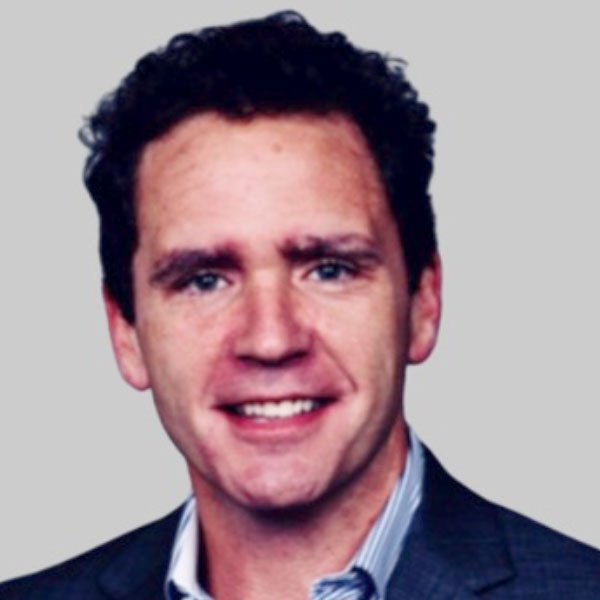
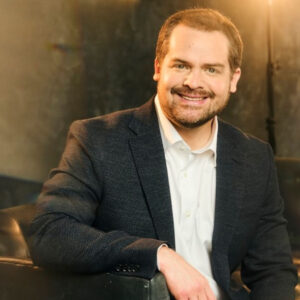
On this episode of The Matt Feret Show, Matt sits down with Disaster Patrick, a professional disaster planner who helps families prepare for real-world disruptions before they become emergencies. From adult children living far away to aging parents in care facilities, Disaster Patrick explains why traditional “have a plan” advice often fails—and what actually works instead.
This conversation focuses on practical disaster preparedness for families, reducing stress during emergencies, protecting independence, and building resilience without fear or panic. You’ll learn how to think differently about emergency planning, why options matter more than plans, and how to prepare the people you care about—no matter where they live.
If you’re navigating midlife, caring for aging parents, raising kids, or simply want a smarter approach to family preparedness, this episode delivers clear, actionable insights you can use right away.
If you enjoyed this episode of The Matt Feret Show, you may also enjoy:
How to Defy the Odds After an Injury with Author Jo Giese
Preventing Cancer with a Plant-Based Diet with Dr. Dominic Brandy, M.D. , the Veggie Doc
Listen to the episode on Apple Podcasts, Spotify, Deezer, Podcast Addict, Stitcher, Google Podcasts, Amazon Music, Alexa Flash Briefing, iHeart, Acast or on your favorite podcast platform. You can watch the interview on YouTube here.
Brought to you by Prepare for Medicare – The Insider’s Guide book series. Sign up for the Prepare for Medicare Newsletter, an exclusive subscription-only newsletter that delivers the inside scoop to help you stay up-to-date with your Medicare insurance coverage, highlight Medicare news you can use, and reminders for important dates throughout the year. When you sign up, you’ll immediately gain access to seven FREE Medicare checklists.
“ I'll give you this example. I actually work with a very large apartment complex. I've been working with them for almost 15 years now. For a lot of the residents who are on the top who are non-ambulatory, they're not walking down the stairs.We actually gave them a sled. It's an inflatable sled.”
“I can look at your backpack and without asking you a single question, if you follow the method that I've laid out for you, you don't have to tell me a single thing. I could tell you in your backpack where your primary evacuation location is going to be and where the secondary location is going to be. I should be able to say the city, the location, and how to get there. I should have the key. I should have everything. The security code to the house, all that stuff. Because you don't have to write it down. It should be in there.”
“Execute plans. Don't just plan. It's the execution. Let's move the other piece. Let's pretend, let's not pretend this is real, right? You've got a lot of our listeners that are people with aging parents, not necessarily living anywhere close to them either. So how does getting prepared or helping them or doing it for them change when you might need to help somebody else quickly and that somebody else might not live near you?”
Host’s Links:
All Things Medicare: prepareformedicare.com
Decoding Social Security: prepareforsocialsecurity.com
My Written Works on Amazon: www.amazon.com/stores/Matt-Feret/author/B09FM3L4WW
The Matt Feret Show YouTube: www.youtube.com/@themattferetshow
Network with me on LinkedIn: http://www.linkedin.com/in/mattferet
Follow me on X: twitter.com/feret_matt
See behind the scenes on Instagram: www.instagram.com/matt_feret/
Join our community on Facebook: www.facebook.com/themattferetshow/
Follow me on Instagram:Matt Feret (@matt_feret) • Instagram photos and videos
Guest Links:
Guest Youtube: https://www.youtube.com/@DisasterPatrick
Guest Linkedin:(21) Patrick Hardy | LinkedIn
Guest Website:https://disasterpatrick.com/
Matt Feret (02:26)
Today's conversation is about preparedness, but not in the way it's usually discussed. Most of us here have a plan and then think about ourselves. But in midlife and beyond, preparedness isn't individual anymore. It's multi-generational. It's about kids who live elsewhere, parents who may be aging, living alone, or even living in facilities.
And of course, families spread across different cities, even states who suddenly have to make decisions under pressure. My guest today is Patrick Hardy, known as Disaster Patrick, a professional disaster planner who helps families think through real world disruptions before they turn into emergencies. This is not a fear based conversation. It's about protecting independence, reducing stress and making sure the people we care about aren't left scrambling.
when something goes wrong. Disaster Patrick, welcome to the show.
Disaster Patrick (03:25)
Thank you for having me, Matt. I'm looking forward to our conversation today.
Matt Feret (03:30)
Me too. Okay, so when most people here have a plan, what do they think that means? And why is what they think usually not enough?
Disaster Patrick (03:41)
Well, Franklin, I'm surprised. And I want to say I'm very proud of the listeners that you have because if they have a plan, I congratulate them because the vast majority of people don't have that at all. So what I tell people is that most of the time when we're trying to create disaster preparedness, when we're trying to have true preparedness, people try to write up plans. And sometimes they do it.
Sometimes they don't. Sometimes they don't update it. It gets old. We forget about it. We go and buy some old dusty red backpack that we got at Walmart or Home Depot. And you know about this, Matt. You know this as well as anybody. It will have a zip tie on there. It will have a zip tie on that backpack. And it's never been opened. It's never been opened. So then, of course, no one knows what's in it.
So then of course the disaster occurs, you get a hurricane or earthquake or lions and tigers and bears, my whatever, and they open it up and it's the first time they're seeing what's in here. That's the first time. So what I tell people is, is I want to totally change the way you think about preparing yourself for disasters. I don't want you to worry about writing things down, having to put, I don't want you to worry about that.
Instead, I want you to focus on your disaster preparedness by starting with an empty backpack. I want your backpack to be the center of your disaster preparedness. And you and I are clearly going to be talking about caregiving and families and all that. And you will see that throughout it, throughout our conversation, I'm going to be bringing us back to that because that backpack is going to be the center of our preparedness. And guess what?
it doesn't require you to write anything down. You won't have to write anything down. But what you have to do is you have to make that backpack and say, listen, no matter what, no matter what's going on around me, no matter how severe it is, in the end, that backpack gives me the tools that I need to be successful. And so when I see plans a lot of times and people will hand me plans they've written a while ago, I will always challenge them. I'll say, does this work? Does that work? And we'll pull equipment out. And so
When I see backpacks that haven't been touched or haven't been opened because the zip tie is still on there, that tells me that something is missing here. And so my focus with disaster preparedness is saying, let's find a different way that individually empowers us. And for me, my belief is that can start with a back.
Matt Feret (06:26)
with a backpack. ⁓ Let's go into what's in the backpack. I let's just hit it. When you're sitting here talking, I'm thinking about Netflix movies I've seen or TV shows and they call them go bags, you know, in the spy movies. ⁓ And then I think about, well, you know, if a hurricane was coming, we know the roads are going to be jammed. What about my family pictures? What about, you know, my laptop? Like, okay, so then I just let's jump to it.
Disaster Patrick (06:44)
Hmm.
Matt Feret (06:54)
What should be in this backpack and should it be one of these things that hangs out in a room or should I open it before I leave and stuff it full of other things? So I've got to yeah, I'm sure you've heard this question a million times, but what goes into that thing and what doesn't I guess?
Disaster Patrick (07:10)
Totally, totally. And so, and we'll go through each piece, because I think you're sort of asking me two or three questions. So what we'll do is we'll kind of break it down a little bit in pieces and I'll kind of lay it out for you. So I think that your first and your major question, and I think it's a very relevant one, is what goes in this thing? What goes in this backpack? If this backpack is so powerful, what needs to go in it? Well, there's a method I've been using since I've been working with ⁓
Matt Feret (07:13)
Okay.
Disaster Patrick (07:34)
clients I worked, I started work when I became a consultant, I worked with high net worth clients, I worked with big corporations. And so I developed a method to very quickly be able to find exactly what they need, what goes into that backpack. And before I say what needs to go in it, before I talked to you about the method, before I talked about any of those things, I want everyone to change the way they're thinking about this. I want you to think about
yourself as having that backpack, what does that backpack really do? What is the purpose of that backpack? Well, the purpose of the backpack, it's not to get you out of a hurricane zone. It's not supposed to do that. It's also to get get you out of an earthquake zone. It's not supposed to do that. What it's supposed to do is it maximizes your options. Whatever is in that backpack and the things I'm going to talk to you about in a few minutes.
needs to maximize your options when an event is occurring around you. Earthquake, hurricane, tornado, wildfire, fill in the blanks. The backpack needs to maximize your options because when people get themselves in trouble, it's not the size of the hurricane that matters. It's not the size of the earthquake that matters. What matters is how many options do you have? Because disasters come down to
What am I going to be able to do? So really, so the way I started is this. would say in every disaster, no matter what, you have three options. Evacuate. Shelter in place and lockdown. Those are your three options, no matter what it is. You can think of a disaster, whatever it is, it comes down to evacuation, shelter in place and lockdown. Now.
Now, when we talk about large events where you have to leave your area, you not only have to leave your home, you have to leave your community, you have to maybe even leave your state, and do you have an ability to do that? And my answer is, is does your backpack allow you to? Does your backpack give you the tools that you need? And I'll explain what those things are. But the major idea I want everyone here to have is that that backpack gives you great options, and it can empower you tremendously.
and it can maximize your opportunities. But if you don't use the backpack correctly, you don't fill it correctly, then what's gonna happen is it limits your options and that's when people start to get in trouble and disasters. And that's when things start to happen. okay, so what's really going on this thing? Well, I put it into five categories. I call it the five pocket method. And I say five pockets because Matt,
You and I have obviously we've all on jeans. Everyone who's listening to this is on jeans at some point. You know, it's four pockets, right? And then there's always that little fifth pocket that's always there on the right hand side.
Matt Feret (10:34)
Yeah,
you find a random dollar in there or like a key that you misplaced because you used it thinking it was a good idea. Yep.
Disaster Patrick (10:41)
There you go, exactly.
And so what I say to people is I say, no matter where you are, work, home, school, car, vacation, Barbados, whatever, you should always, always, always have enough in your five pockets to get to your next location of refuge, whether it's an evacuation location, a sheltering in place location, or a locking down location. And once you go there,
You should have enough to get to the next place. And you see how I do that? It maximizes your options. So you're not saying, gee, do I have to carry my whole backpack with me when I go on vacation? No, you don't have to do that anymore than I have to do that when I go into a business meeting. But I have enough on me. I'll carry a sling and it gets me enough to get to my car. My car gives me enough to go and I have multiple locations. have a storage unit with supplies. I have my home. I have different places I can go. And you see how I maximize the options?
because one road is blocked and I can't get home, hey, maybe I can get to my storage unit. Maybe I can get to my colleague's office. But if I don't have the tools in here to get me there, then it doesn't matter, right? So the five pockets. Well, the first pocket is physical. Okay, so the first, and we know about that stuff, right? So what I tell people with physical is, is do you have the ability to breathe? Do you have the ability to see? And do you have the ability to move?
That's one of the main things I talk about with the physical pocket. So things like goggles, masks, shoes. I know it sounds weird, but I work with people who work in these, you know, these high rise towers, Matt, you know, I mean, obviously we've seen them in New York and everything. And I had this guy, he worked on like the 50th floor. He was turning to me going, you know, I wear, you know, business shoes, know, dress shoes. And I said, have you ever tried to go down the staircase? He goes,
Matt Feret (12:21)
Sure. Yeah.
Disaster Patrick (12:37)
I'm sure I can do it. I said, okay, so for lunch today, that's what we're going to do. We're going to go down the stairs today and you're going to do it in dress shoes. And literally by about the third or fourth floor, he was having difficulty because he was tripping and everything else because the stairs were designed the way it wasn't right. So I said to him, listen, we got to get you the right shoes. You have to have the option to not take the elevator. You have to have elevator plus stairs. You see what I'm saying? And so.
Matt Feret (13:04)
I
Disaster Patrick (13:04)
And so that's with physical as well, obviously, food, water, different things. Do you have to carry 50 cans of beans? No, you don't. But you do have to have other elements, things that will protect you physically, your pharmacy, things like that. So when I talk about the physical pocket, it's the stuff that's going to make you physically safe throughout the disaster. And it will change depending upon where you live.
Right, so you and I, before we came on today, you and I were talking about how you went and visited just north of Sacramento, a place called Placerville, which is a very rural area. Placerville gets a lot of wildfires. So when I talk to clients in Placerville, I say, listen, you gotta wear masks. You have to have a mask in every single disaster bag I pick. So that's the physical one. The second one is psychological, and it's a fun pocket talk about because nobody ever talks about it. I always say, listen,
Matt Feret (13:43)
Yeah.
Disaster Patrick (14:02)
in the psychological pocket, I want you to have something in your disaster background that will get you focused in an instant. It will focus you, get you out of it. So I was actually addressing, Matt, was at a high school ⁓ a few weeks ago as keynoting. And I was talking to the whole group and I said, and they were asking me what should go in the backpack, just like you did. And I mentioned some stuff. And I finally said, hey,
Matt Feret (14:13)
Okay.
Disaster Patrick (14:28)
You know what is something you should absolutely tell your parents that you have to have in your disaster backpack? You should tell them this and tell them they need to buy this right away if they don't already have it. And all the kids were like, what, what, what? I said, a Nintendo Switch. And they said, well, are you? And I was like, how many of you play video games? Hands up. And I always get a bunch of hands up and I go, how many of you, if you were in an unknown location, you were in a hotel, you were in a shelter, you were in the car with your...
annoying parents, annoying brothers and sisters and everything else. If you had a Nintendo Switch and had your earbuds in, the whole world would just disappear. And everybody was like, yeah. And I say, there you go. Because in a disaster, the psychological portion is so critical. It's so important. So the psychological element could be a lot of things for parents. also talked about. ⁓
Matt Feret (15:18)
So yeah, I was gonna say what are some of those things for adults? Yeah, I mean,
I would do a Nintendo Switch for about 10 minutes.
Disaster Patrick (15:26)
Sure. Yeah,
well, you know, and I can honestly say I hardly have my brother and I are actually still we still play games from time to time, but that kind of thing. most people have grown up and grown past it. But things like like a book, if a book helps you and not a new book you've never read before a book you really like, like for me, my favorite book of all time is Jurassic Park.
And so I keep a copy of Jurassic Park in my disaster kit because I like reading about it. And so I enjoy it. takes me out of my out of the world. The other thing is it could be an object. It could be a photograph. And here's an idea. I say this all the time to folks. I say, here's what I want you to think about. I want you to think about a smell that reminds you of home, something that reminds you of home and
then what I want you to do is ⁓ find either a perfume or find ⁓ lotion or an incense stick, whatever. And by the way, I have put incense sticks before in disaster kits, believe it or not. And what I want you to do is I want you to put that in your kit because smell is the closest sense tied to memory. So regardless of where you are,
If you're able to smell that a little bit as you're going to bed, so close your eyes and smell it, all of a sudden the world goes away and you can think about home, right? So depending upon what's going on, I tell people, layer it, find something that will relax you. When I used to be an EMT, I used to put a photograph in the visor of the ambulance. And so when I used to have a really difficult call mat, I used to flip it down and it was a picture of this tropical island.
Beautiful blue ocean, beautiful day, little few clouds in the sky and all that palm trees. And I used to do that and he says, just take me away from the moment just for 30 seconds or so. And then I can focus.
Matt Feret (17:23)
and allows you to
focus and come back into reality, right? So basically what you're trying to say is, you you have to have something there that keeps you from freaking out because what you want are highly stressful situation and having something that grounds you is the psychological.
Disaster Patrick (17:28)
You got it.
It does.
it's huge. It's huge. And it makes a big difference. That's why I always say, you know, when you buy disaster food, please get disaster food that you actually like. Because if you're eating food you don't like, there's nothing worse than that. Nothing worse than that. So then the third element is the personal side. And so when it comes to personal side, I talk about things like keys, glasses, lots of different stuff, batteries, flashlights, the MacGyver, ⁓ you know, pocket knife, duct tape.
Stuff like that. So, because those are things that people need interpersonally. So one of the things I'll just kind of say this, one of the reasons why I tell people you don't need to write down where you're evacuating to. You don't need to write that down. Just have a map and circle it. And by the way, have a key to get in. That tells me you've talked to the person who owns that house or whatever, and you've gotten the key from them. There it is in the backpack.
We didn't have to write anything down. There it is. Or if we have another car, do I want those car keys in your backpack? Yeah, absolutely. And that tells me, do you have to figure it out? Gee, I'm going to drive with this car. You don't have to do that. It's all in there. You know what mean? So and you have a maps, know exactly where you're going. So that's the personal side. The last two are pretty easy. The fourth pocket is papers. So.
things like identification. Every person should have an ID. So if you have an old driver's license that has expired or an old passport, I've got a few of those, then put your old passport, throw it in that disaster backpack because the passport will get you anywhere. Really will, it'll get you anywhere. Even if it's expired, doesn't matter, right? And the other thing in papers too is I tell people, please carry cash. Carry some amount of cash on you. You should always have some amount of money on you. And then...
Other minor things you can have, know, insurance cards or things like that, that you want to have in there. And then the last one is your phone. The fifth pocket is your phone and you should have, you don't have to have an extra phone, although I do have an old phone that could work theoretically, but chargers. I always say you have a different kinds of chargers, a car charger, a wall charger, a solar charger. And so, and things like radios, ways of communicating. Cause when I talk.
about phone, I don't just mean your phone. mean, how do you communicate having an emergency radio. So a lot of different ways to be able to communicate so you're not limited again, Matt, all about options, options, options, options, because in disasters, you've been enough of them. I've been enough of them to know that, you know, it's always the first thing where you're like, I'll be able to do this. And then ⁓ that's not available anymore.
that's when we start to get in trouble. So that's the five pocket method for ensuring you have the options that you need to respond to whatever you're dealing with.
Matt Feret (20:35)
Thank you for that.
And what I didn't hear in what you said was you need a handgun or a knife or, you know, five days worth of freeze dried food. ⁓ know, nothing. I was thinking back to, know, you find an old first aid kit you throw in the back of the SUV and 10 years later, half of it's already expired. You can't use anyway. You didn't. I didn't hear specifics in there. Is that because you don't need it or those different levels for different types of situations?
Disaster Patrick (21:03)
Well, it really depends, right? So if you live in a rural area, okay, so if you live in a rural area, it may be that you are gonna be carrying things that are different than if you live in downtown Manhattan. Right, so I'll give you this example. I actually work with a very large apartment complex. I've been working with them for almost 15 years now. And we literally, for a lot of the residents who are on the top who are non-ambulatory, so these are people who, I mean, they're not walking down the stairs, like that's not gonna happen.
We actually gave them a sled. It's an inflatable sled. So they'll take it and we designed it and they actually just pull it out and it's actually an inflatable sled. They can sit in it and they can slide down the stairs or they can have some of the other people who are in the stairwell help slide them down. Right? Is that something you're going to need if you live in a rural area on a farm?
Probably not, right? But that's why I tell people I want you to customize it from scratch. I said you need to start with an empty backpack and I amendment it. You should start with an empty backpack because you need to build it according to your needs. Is it possible that you're gonna need a pocket knife? I think everyone should have one in there. Yes, absolutely. What kind? It will depend on what you're dealing with.
And in fact, I have a series of videos starting today. And it's actually for the next 30 days on my YouTube channel. It's all free. And now you're not paying for it. And what it is is I walk everyone who watches those videos from an empty backpack to a full backpack completely. I go step by step. Think about this. Think about that. Think about these things. And it'll help you to kind of kind of see what do you have to have ⁓ so that
by the end of the 30th day, you now have a full backpack. You knew exactly what to buy, what was specifically for you. And in fact, on the weekends, I give people little drills and things to try. Do it in the dark, figure out this. One of the things I didn't talk about, which I really should have, and it's something that has to go in every single one, is flashlights. You should always have three different kinds of flashlights. You should have a wearable flashlight so you can kind see where you're going. You should have a hand flashlight, which everyone talks about.
And then you should have what's called a room light. So you actually have like a lantern and you can actually draw them open and they light the room around you. You need those three lights and that helps you because and depending upon where you work, where you live, you're going to need bigger flashlights or smaller flashlights, right? And it'll help you. But but to customize that for backpacks, it really depends on on what you are doing with.
Matt Feret (23:47)
So and this is fascinating, by the way. So I'm sitting here, you're creating a picture in my brain and where I spend time, where I live, you know, the certain situations around it, right, metro, suburban, rural, where my in-laws live, etc. ⁓ You mentioned work, though. So do you have to have two? Or do you bring one on the train or in your car every day? Do you leave it in your car like some practical ⁓
Do I just make one or do I make two or three depending upon where I am? ⁓ How am I supposed to think about that?
Disaster Patrick (24:21)
You should have a backpack that you leave at home. You should have a backpack in your car. And you should have a backpack, quote unquote, on your person at all times. And now, what am I, we're not gonna carry a backpack everywhere we go, right? Well, I mean that in a metaphorical sense. You should, if you remember what I was talking about earlier, you should have enough on you to get to the next location. So does your backpack in your car need to look like the one at home? No.
Matt Feret (24:35)
Right.
Disaster Patrick (24:51)
Not necessarily. It can be, but doesn't have to be. The one in your car should be enough to get you back home or get you to another evacuation location, right? So if you say to me, hey, Patrick, listen, I have a backpack at home. Fabulous. Should I have one at my grandmother's house where I'm planning to evacuate to? It depends because if you can't get home, will you need to get to your grandmother's house? Perhaps, yes, because that's an evacuation location. So should you have another one there?
Uh huh. Yeah. Because you shouldn't assume that she's going to have everything you need for you. I mean, she's not going to carry your pharmacy. She's not going to carry all that. But what I mean is that should you do they all have to be huge? They do not. In fact, as I said, I carry a sling with me everywhere I go. And in that sling, I have a few disaster supplies to get me to my car. And I also have another place that if I can't get there that I can actually go to, where I can always say,
All right, if I have to use these supplies, I can. I'm not reliant on anyone else to make sure that I can see, that I can breathe, and that I can move. I have a flashlight in there, actually a wearable flashlight. And they're really small too. You can fit them in there really easily. And then in my home, do I have a full disaster backpack? Yes. Unequivocally, yes I do. Do I have a small one in my car? Sure. But Matt, the whole point is that I'm trying to get everyone to think about it like this.
Think about it like a series of nodes or a series of relay points, okay? So that you can always jump from one to the next. And that's what I want you to think about is that it's not a linear sense of, okay, home, know, or, you know, work, car, home. It could be work, car, someone's house, back home, you know mean, whatever. So that you have enough so that you're never stuck. Because once you run out of options,
That's when people start to experience disasters. That's when it occurs. Because then they don't have anything to do. No response.
Matt Feret (26:51)
Makes a lot of sense. Thank you. ⁓ Let me ask this question next. At what point does being ready and prepared as an individual stop being all about oneself and personal and start being about other people?
Disaster Patrick (27:09)
the minute you fill your own backpack. Because once you have, once you have prepared yourself, now you can help others. You and I have probably been on hundreds of flights, maybe thousands of flights. And you know that safety briefing they always give at the beginning of when, as soon as we sit in our seats and then they do all the little bells are dinging and telling everybody, please sit, get your stuff in the overhead bins, all that. Then they start talking about the oxygen masks.
And they always say what? Put your mask on. Right. Exactly. You know, and people hate that stuff. They don't listen half the time. I do because I'm sort of, because I'm a disaster professional and I love this stuff. But I know a lot of people don't listen to that stuff. But there's a reason why we say that because you have to protect yourself first before you can help others.
Matt Feret (27:44)
Put it on yourself first. Yep. And then help the next person next to you.
Disaster Patrick (28:05)
I have this conversation with EMTs. I go back to my old EMT school because I train now, I train them and I train the medics on ⁓ disasters and on weapons of mass destruction and hazardous materials and things. And when I talk about hazmat, I always turn to EMTs and I always say, you know, when you roll up on scene? Yeah. And you see those patients over there? yeah. So what's the first thing that you should do? And they always go, I'm going to open the door and I'm going to make sure I glove up.
And I just, I let them walk through it. go, and then I'm gonna grab my gurney and I'm gonna grab my stuff and I'm gonna grab my kit, you know, and I'm gonna head over there. And I go, you forgot about the fact that you don't know why that person's on the ground. What if there's a chemical outside? What if you're seeing barrels outside? Should you step outside at all? And they go, no. And sometimes all EMTs are saying, well, we just have to be heroes. We gotta go into it and risk ourselves. And I go, the problem is if you do that,
you become a victim too. Now we have to take care of them and you and your partner, right? So what I say to folks is, is protect yourself first and the best way that you can prepare everyone else around you is to start by preparing yourself. Get your backpack established first. And I think the second part to your question is a great one and I'm sure we're going to talk about a little bit more. But one of the things that I do when I say to people is I say, once you have taken care of your own back,
If you have people you are taking care of who clearly can't do it themselves. So it's a baby or it's someone who you're taking care of, they have dementia or they have some debilitating illness or a pet, right? Your cat or your dog, they can't do their own preparedness. So what happens is now you create a backpack for them. It's their disaster backpack. It's not yours.
It's theirs. You have yours and they have theirs. Because what I want people to understand is that they have to have their own individual preparedness on their own. It's separate from you. By separating them, it may seem like it's the worst thing that you can do, but to answer your question, it is the best thing you can do for them and it's the first thing you should do. Because as soon as you separate it, now you say, ⁓ geez.
They're not gonna be able to use my backpack, makes sense. So I have to use the five pocket method on them too, because their needs are gonna be different. Things they need physically, things they need psychologically, things they need personally, their papers are different than mine, their phones are different than mine, their ways of communicating are different, you see? And so once you've done that, now you've given them options without them even realizing it. You've given them options and disasters because you're helping them and you're facilitating them, right?
but you have to provide that on their own so that they have their own disaster kits. And the philosophy I tell everyone, for those of you who are hearing this, here's an easy way to think about it. This philosophy I want you to bring into it every single time you are preparing a disaster backpack for yourself or someone else. If I do nothing, no one else will either. That's what I want you to think to yourself. If I do nothing,
No one else will either. So what I want that changes your mindset instead of saying, if I do nothing, that's OK. The nursing home will handle it. If I do nothing, that's OK. The nice people at FEMA will handle it. If I do nothing, the fill in the blank will handle it. That's when people get in trouble because they try to, you know, they try to sort of pass the accountability on to someone else. I say, don't do that. And the best way to start that is it's your backpack. Your FEMA is not going to fill that backpack for you.
Matt Feret (31:34)
Mm-hmm.
Disaster Patrick (31:53)
The Red Cross isn't going to do that for you. These organizations have other things to worry about. So you have to be accountable for yourself. And then when you're working with someone else, say the same thing for them. If I don't do anything for them, no one else is going to do anything for them either. Now you are forcing your mindset to say, how do we prepare them? And it starts with that empty bag.
Matt Feret (32:16)
Thank you. So the empty backpack and let's talk about what you were going down the road for. So people in midlife and even beyond even younger, right? I think the parent no parent. I mean, as soon as you're a parent, right? You stop being the most important person to yourself. ⁓ You know the kids come first. I don't care how old you are, but you still have to take care of yourself first. And like you said, provide that example. So if you have kids young or grown.
Disaster Patrick (32:18)
Mm-hmm.
course.
Matt Feret (32:41)
⁓ How should parents think differently when their kids live somewhere else? College, another state, even another country. Still do it for them? Or ⁓ how do you think about that? Not just in terms of the backpack, ⁓ but let's go to the backpack first. How should we think about that when families are dispersed? ⁓ And if I'm a parent, I am, what do do for my kids or what do I instruct my kids to do?
Disaster Patrick (33:09)
I have a video coming out in about three weeks. ⁓ I built a entire wildfire shelter. and it was actually, actually weirdly enough, it was actually in Placer County where she did this, where they get a lot of wildfires out there, where myself and a seven year old, we built a wildfire shelter in his backyard using only school supplies. That was it. Only school supplies.
Matt Feret (33:21)
That's funny.
Disaster Patrick (33:38)
stuff and what it had to do was ⁓
Matt Feret (33:40)
What do do? Do you melt? You melt
crayons? Does it start that way? No.
Disaster Patrick (33:45)
I wish
that's actually would have been interesting. But one of the things that we did was we took like yardsticks. Okay, so we built the frame with yardsticks. And then we use tape and you'll see the kind of tape we use. didn't use gorilla tape for anyone who was thinking about he MacGyver did we didn't we used masking tape, which is what you find in classrooms. We did all this stuff. We I created the sloped roof. And then we set it on fire. And actually, it didn't burn at all. We were actually and then we did a smoke test.
I actually took an AQI indicator, an AQI indicator for those of you don't know, it's basically an air quality indicator. That's what it is. It essentially looks at the ambient air and says, is this air breathable? So what we did was we lit a massive bonfire next to the structure and it was covered in smoke. And I put the little boy inside, his name was Liam. He was in there and I gave him the AQI indicator. And lo and behold, we were able to get the door sealed and the AQI.
in that structure was just as good as you would have gotten anywhere else. So we literally created a full shelter again entirely out of school supplies. used foil that they use with art class, all that other stuff. Why am I saying this? Because one of the things that I want to disabuse all the parents of, including you Matt, everybody, I want you to think about your kids instead of being dependents. I want them to, for you to see them.
during a disaster as a team member. They are a team member. They are a team. You are a team with them. And so what I want you to stop putting people in, what I want you to stop sort of thinking of your kids as, as it's okay. Don't do planning. I'll do it for you. No big deal. Whatever. And so the backpack comes into play. Is that the obvious result? Is that kind of the road I'm leading you down to? Yes, of course it is. That's where I want you to lead them down to.
Matt Feret (35:31)
Mm-hmm.
Disaster Patrick (35:42)
but the way to get them there is you have to say, look, we can do this and it doesn't have to be awful. It doesn't have to be doom and gloom. It doesn't have to be terrible. And that's the reason why I did that video with him. And in fact, we're doing a series of other videos with him. I'm going to camp with him and I'm going to show him, hey, listen, you're going to do your preparedness. And I don't care what the kids, what the students are doing. I don't care what the teachers are doing. I don't care what the camp counselors are doing because you can't rely on them.
to handle your disaster response. You are responsible. And so can I get a seven year old to be a really good responder? Yes, I can actually. I've done it many times. ⁓ I ran this experiment. It's about four years ago. I worked for this charter school ⁓ that had hired me randomly. And so I say, okay. And it was a big school, big school. So what I did was I went to a classroom.
And the teacher was ⁓
I had the teacher go out of the room and I said, okay, guys, here's what we're going to do. You're the captain. And I just picked random kids. You know, you're the captain, you're the vice captain. And I told the kids, you cannot leave this room in any disaster without that red backpack and without that roll sheet. Because there's always, as you guys know, for those of guys, kids, there's there's actually roll sheets that sit on the walls now because of the security threats schools deal with now. So there's always a roll sheet easy to grab for in case law enforcement has to come in. Okay, so
Matt Feret (37:26)
⁓ no, I didn't know that.
Disaster Patrick (37:32)
So I said, you're gonna grab the roll sheet and the backpack, okay? You kids are responsible for that, not Mrs. So-and-so, you. So then we ran the fire drill and I told the teacher you can't be in the room during the fire drill. And so she said, okay. So she stood outside, they ran the fire drill and lo and behold, without me telling them, the kids grabbed the backpack and the roll sheet. Fast forward four months later, and I did it in all the classrooms. So fast forward four months later, I got a phone call from that charter school saying that,
Lo and behold, they actually had a fire at the school. And in one of the classrooms, there was a substitute teacher. So a guest teacher was there, not the real one. And the guest teacher ran out of the room with trying to get the kids to run out. And so they walked all the way out to the field, which is where the evacuation place was. And the substitute teacher realized she'd forgotten the roll sheets. And the kids handed her the roll sheet and handed her the red backpack. Because
Matt Feret (38:28)
Yeah.
Disaster Patrick (38:31)
They have been trained, they were told you're not gonna have to be a follower, you can lead. So I would look at every single child, I look at them right in the eye and I can say, you can do this and I can show you how. Because then you will find that, that instead of them being the dependents, they can't handle on their own age appropriate responsibilities, you would be amazed at what the kids can do. Again, you're not expecting them to do every single thing, they're not gonna drive you to an evacuation location.
but there are things that they can do that basically, but regardless of their age, the message has to be, you are an equal team member in this and I'm relying on you as much as you are relying on me.
Matt Feret (39:12)
When you've got ⁓ multiple family members, let's say kids, right, and let's go ages.
15 to 40, right? So mobile and yeah, yeah. Yeah, so, but they're mobile, right? They can either drive a car or get on a bus, get on a train, walk, whatever, right? We're not talking people who are infants. We're not talking people who are in nursing homes potentially or have mobility issues. And so I, a family member, my wife is a family member. We've got kids and or cousins or whatever.
Disaster Patrick (39:26)
Okay, so summer adults and summer underage. guys. summer teenagers and summer adults. Okay, guys.
There.
Matt Feret (39:49)
and I can remember these commercials. I don't know if they still air, but you will know because you pay attention more than the average person. Those commercials, I think it was from FEMA and it be on a TV show and it be like, have a plan. And you know, oh, thanks, appreciate that. And so like, do I go to my in-law's house? Like, what do mean? Have a plan for what? A flood, locusts, rivers of blood? Like, what specifically am I supposed to do?
Disaster Patrick (40:03)
Yeah. ⁓
Matt Feret (40:15)
Either which way do you think is are you supposed to let's say there's a mass casualty event or massive hurricane right to go back to Katrina there was a just new documentary that just came out about it. When you have to move someplace do you should you tell your family members we are going to meet at you know Nana's house or we're going to meet at you know my friend Joe's house in Alabama that's got you know 500 guns and a a and a you know storm shelter.
⁓ Do you should you have be that specific in those instances ⁓ or do you not need to be that specific?
Disaster Patrick (40:50)
You don't have to be. I can look at your backpack and without asking you a single question, if you follow the method that I've laid out for you, you don't have to tell me a single thing. I could tell you in your backpack where your primary evacuation location is going to be and where the secondary location is going to be. I should be able to say the city, the location, how to get there. I should have the key. I should have everything. The security code to the house, all that stuff. Because you don't have to write it down. It should be in there.
And the way that I do it, it's like an engineering control because you wouldn't have the key to their house unless you ask them, hey, listen, I'm going to evacuate here. Can I have a spare key in case you're gone and I need to go to get into your house? Because that happens a lot. People will evacuate and they'll show up at someone's house and they're not home. Right. So so what I say to them is, is do you need to communicate that in advance? But just not in the way that FEMA suggests. I've seen those PSAs many times, obviously. But one of the things
Matt Feret (41:35)
Hmm. Yeah.
Disaster Patrick (41:47)
I see them many times I watch I'm watching a 49er game or something. I'm a big 49er fan. And so I watched the 49er game and they always talk about earthquakes, you know, they always say, Oh, you know, we need to have a plan for this. I just go, nobody's gonna do that. I'm realistic. No one's gonna do that. I've been doing this for 20 years. And so what I say instead is I say, look, if you have adult children, okay, so you're here, and you have adult children who live in and I'm going to use the word adult colloquially. So let's say they're college age, okay, the 2021.
and they're going to say Boston College, okay? So you're in Sacramento and they're at Boston College, okay? So when they're there, there's a disaster in Boston. Okay, do I need to try to call the kids? I would want to, but I would realize that it's better for them to try to reach me. Maybe I'll text them anyway, I'm gonna try. mean, this is a slack, I'm just gonna be like, well, crossing my fingers, I'm gonna text them. But in advance, those kids should know.
where they're going to go, what's going to be the primary and alternate locations where they're going to evacuate to. Maybe they have a relative out there. That does happen a lot. know, where people will say, listen, you know, live in Boston. I've got a family member who lives, you know, 30, 40 miles away and they have to know how to get there. Do you have to take a train? Can they take a car? Can they take all this stuff? So that's why the backpacks have to be very individualized because we can't come up with every possible scenario, right? There could be a lot. But what I am saying is
is that when you're planning for them to go to college in Boston, when you're planning that, you need to give them the autonomy to find it out for themselves where they're gonna go and then communicate it to you somehow. Either you're gonna work on it together. I if you're gonna say, listen, I'm gonna go to Aunt Jane's house. Okay, so they know in advance when you call Aunt Jane, say, listen, my son is going to Boston College and so I need to get a key. Okay, that's fine, right?
You see how that communication was instantaneous and easy instead of having a conversation. What should we do in a hurricane? ⁓ man, nobody wants to have that conversation. I'm a disaster professional. I don't want to have that conversation. But instead if I say, listen, he's at Boston College, he's alone. If something happens over there, can he come by your house? Of course. Can we have a separate teammate? Sure, of course. Ta-da, done. Now I don't have to call Aunt Jane if there's a disaster because you know as well as I do what happens in disasters.
Matt Feret (43:42)
Yep. Yep.
Disaster Patrick (44:09)
phones become not available and Aunt Jane knows that he's at Boston College and if he has to evacuate the dorms, there's possibility he's gonna come here. So those are options, again, it's the options available. Does he have the option to go to Aunt Jane's house? Well, he does. Can he go to hotel? I don't know, did I give him enough money? Maybe. What it means is you simply say, so I have to lay all these things out in advance, but I do it through physical objects versus just saying, let's write it all down.
Matt Feret (44:38)
Hmm, makes sense.
Disaster Patrick (44:39)
And it's faster than having conversations,
the contrived ones that kind of FEMA creates that are kind of irritating because that never happens in life.
Matt Feret (44:47)
Yeah, have a plan. Yeah, the PSA is have a plan. Yeah, thanks. That sounds like a great idea. But thanks, I guess.
Disaster Patrick (44:51)
Yeah, right.
I've been a disaster professional for 20 years and I've never written a disaster plan out myself and I'm happy to say that and it's gonna seem sacrilege to a lot of the emergency managers I work with because they're all big on get a plan and all that. I go, have a plan, it's in my backpack and I've developed it, I have my options. I go to my storage unit, I go here, I go to a colleague's house. I mean, there's things that I can do. Same with people who own horses and stuff. I always say, if something goes on in your barn and you have to evacuate your horses, what do you do with them? And a lot of times they go, well, I don't know what to do and I go,
You have option this, option this, option this, option this, but it's not instantaneous. We have to have a conversation with them and get the keys to the stable. We have to get this. have to make you see them say, and then I have a backpack for the horse. Literally, I'll create a disaster backpack that's just for the horse, not for me, not for anyone else, not for the other horses, just that one horse.
Matt Feret (45:43)
It's con-
turning thought into action, not just thought and writing it down. Yep, get it. All right.
Disaster Patrick (45:49)
Because I mean,
it down isn't enough. I mean, you know that, it's better than anybody, I'm sure. You gotta actually have things. Right? The right stuff.
Matt Feret (45:59)
Yep.
Execute plans. Don't just plan. It's the execution. All right, let's move the other piece. Let's pretend, let's not pretend this is real, right? You've got a lot of our listeners are people with ⁓ aging parents, not necessarily living anywhere close to them either. So how does getting prepared or helping them or doing it for them change when you might need to help somebody else quickly and that somebody else might not live near you?
How does age, how does mobility, how location, how does that change the approach here or does it?
Disaster Patrick (46:36)
Well, it doesn't, doesn't, because if they are co-located with you, so you're taking care of a grandparent, you're taking care of a parent, you're taking care of a child who's in a horrible car accident and now can't do anything for themselves. I have clients who have that. And so what happens is I say, you prepare yourself first and then you prepare them using the five pocket method. So you go through it with them. What do we need for this? Because they're gonna have unique needs, things that aren't gonna apply to you or me.
Right? So now if there's someone who are located like, like, you know, I have this question. Well, what happens if, you know, I have a parent in a nursing home? Okay. So one of things I say is, is this, first of all, the principles I told you don't change. Should you create a backpack for grandma? Yeah. Even if she's in a beautiful nursing home? Yeah. Even if it's a beautiful nursing home that you're paying a ton of money for? Yeah, absolutely. Because
I have written disaster plans for 4,732 nursing homes. That's how many I've done. And I will tell you, myself and my staff, and I will tell you that I've gone to these folks and what happens is, is people put them in the nursing homes, either it's skilled nursing or assisted living or it's independent living, whatever, and they never asked the facility for the disaster plan.
Matt Feret (47:41)
Wow.
Disaster Patrick (47:59)
every senior care facility in the United States according to the Centers for ⁓ Medicare and Medi-Cal Services. Sorry about that, all the things jumbled in my mind. And they require disaster plans, all 50 states. So when you check in a family member into one of the nursing homes, do you need to have a copy of their disaster plan? Why, E, yes. Absolutely every single instance.
because and why is that? that disaster plan will tell you is and they have to have written plans. That's just the law. So I'm not just saying, should they have a backpack? Well, they can't. There's laws that say they have to have written plans out. What the plans will say is, is a where are these people going? And good and good disaster plans will say they're going to go here if they're out of room here. We're going to take them over here or over here or over here. Now you don't have to make phone calls during the disaster, frantically calling the nursing home from another state saying, where's my mom going? Where's she going?
Matt Feret (48:58)
Yeah, yeah.
Disaster Patrick (48:59)
don't know. And literally, I thought you were there.
Matt Feret (49:00)
Yeah, you talk about stress and mindset. I mean that that will blow your stress out of the water and your mindset doesn't matter what book you have in your own backpack that's going to blow your stress and mindset out of the water.
Disaster Patrick (49:09)
It is. It's going to blow your
stress and there's going to be instances where this really has happened during Hurricane Matthew, which occurred in the Carolinas. There were entire nursing homes that basically were surrounded by water because the water table was so high. And so what happened was people were trying to call and there was no phones. And so people were frantic saying, where's my grandma going? And I'm thinking to myself, the nursing home administrator doesn't have time to answer your questions. I know you want them to. I know you want that so badly, but they can't do that again.
You're falling back on, I do nothing, someone else will handle it for me. Okay, well, you shouldn't do that. If I do nothing, no one else will either. So I need to know what's in that disaster plan in advance. I need to know now. And does she need to have a disaster backpack? Yes, I will tell you this, and I mean it. I've done more disaster plans for nursing homes, probably anybody in the world. I will say this to you. The nursing home staff will kiss your feet if you create a disaster backpack for your family member.
whether you live five minutes away or 500 miles away or 5,000 miles away, that they will love you for it. Why? Because it gives them something that when they go to the new facility, they have the things that they need right away so that the facility knows, OK, great, she has this, she has these things, things that are important to her, because people who are in an altered psychological state, like I've worked with facilities that have a memory care unit. I mean, those places are like Fort Knox. I mean, they're locked up.
Nobody's getting in and out of there. And when they evacuate these folks, they are combative to staff, they're combative to EMS professionals, they're combative to staff of other facilities, and to have a backpack with an object in it that will calm them down, my gosh, that is better than the Holy Grail. It really is, because then it relaxes them and gets them into a place where they're not in a position of injuring themselves or injuring staff.
right? And they're comfortable, which is what we want. That's how you empower them. That's how you empower the kid at Boston College. That's how you empower the kid who's in private school in Switzerland. I'm just making this up. You know what saying. But whatever. You empowering them, whether you're five minutes away or 500 miles away. The point is, is that you have to empower them or empower the people around them because you're clearly not going to drive 500 miles and go into a hurricane zone, you know, to pay a pick up grandma. Be nice if we could do that. But that's unrealistic. But even if you did,
Matt Feret (51:15)
Yeah, yeah, yeah, sure.
Disaster Patrick (51:34)
you should still have the backpack there because then that gives you something because you're not going to carry everything that she needs. So that's what I tell people all the time. When you do that and trust them, empower them and give them a backpack with things that matter to them.
Matt Feret (51:48)
We just talked about mindset a little bit and we talked about it earlier in the show as well. how, what separates families, families, not just people, but families who respond calmly from those that panic when something unexpected happens.
Disaster Patrick (52:07)
Well, I'm going to correct you just a bit, Matt. What I tell people all the time is, is I don't want you calm in a disaster. I don't want you to be calm. You're not going to be calm. I was in one of the worst earthquakes. was in the Northridge quake. My father was actually a business continuity professional at Cal State Northridge of all places. And we...
When we had the Northridge quake, that is that I've been a lot of disasters. I've been in tornadoes. I've been in hurricanes. I've been in I've been there. I've been near at a place where there was a terrorist incident. I've seen a lot of scary things. And the Northridge quake is the scariest thing I've ever been through because the entire world is shaking. There's nowhere to go. There's nothing to do. It's just shaking around you. Things are falling down around you. It's it's very disorienting.
And so ⁓ what I do, what separates families who really know ⁓ what they're gonna be doing from those who don't are the people who say, I assume that we're gonna be alone here. I assume that at the outset, because the families who say, I'm not worrying about it, I know that people will come and help us, those are the ones who when those things are not available, all of a sudden it gets really bad for them.
I want to kind of challenge you on this here. One thing is that I want to change your definition of a disaster. Okay, because I keynote a lot, so I speak to lot of audiences all over the world. So I was speaking from an audience recently and I said, okay, everybody, here's what I want to simulate for you. Let's pretend I want you to tell me if this is a disaster or not. So I'm going to give you a scenario and I want you to tell me if you think this is a disaster or not. And I say, okay, fine.
9.0 earthquake in the Bay Area. I get a book. Yeah, and everybody hand raises, right? Everybody goes, yeah, absolutely. What if it's 20,000 BCE? So it's 20,000 years before the birth of Christ and nobody lives there. Is that still a disaster? And everybody has to think about it. And I go.
Matt Feret (54:03)
Do you want me to answer?
All right, sure.
Disaster Patrick (54:24)
that when it becomes a disaster is when natural events or when some disruptive event, an earthquake, a fire, a volcanic eruption, intersects with human management systems. To make it really simple, this is how I want people to redefine disasters. A disaster only occurs to you when an event like an earthquake or a hurricane or whatever makes you weaker afterwards. If you are weaker.
If you are stronger after that disaster, guess what? You didn't have a disaster at all. You took the disaster as an opportunity to be stronger, more resilient, all those things. So that's why I challenge people on disasters. say a 9.0 earthquake is not a disaster. Even if it's filled with people, even if it's modern day San Francisco, a 9.0 earthquake is not a disaster unless you say it is. Because
If you're prepared enough, if you've gotten options, now you're positioning yourself where you have recovered after the disaster has occurred. And now you can put yourself in a place where you can strengthen your family. You can strengthen your business because you positioned yourself in a way where you're not going to allow the disaster to make things worse. That doesn't mean there's not going to be destruction. Of course there's going to be. Of course there's going to be damage to homes. Of course.
things are going to happen. And what I say to people is I say, we're going to grieve, we're going to be sad about that. Absolutely. Because there's no doubt. But then after that's done, I say, now, how am going to make you stronger afterwards? What am I going to do for that? ⁓ One of the stories I tell is actually about the 1906 earthquake about an entrepreneur. He was a banker. He ran the Bank of Italy. And ⁓ the bank was reduced to rubble. And he pulled the safe out from the bank and he set up a table.
and share. And he had his ledger book. This is 1906. Right. So we placed the ledger book down in a pen. And anybody who came up to him and asked him for a loan, he signed for it. And he handed them cash out of that that safe and he did that all day long. And of the money he loaned to people, 98 % of that money was returned later on. Every single person paid the loan back. All 98 % paid the loans back entirely. And
Not only was he able to support the community and do that, but actually they, he took it as an opportunity because the bank was reduced to rubble. He actually renamed the bank and he decided to call it Bank of America. And that bank became what it is today, right? He took the disaster and he said, it's just horrible. Things were destroyed. But how, now that I've helped the community by giving the money back, how can I put myself in a position to make myself
my family, my business stronger. And that's what I tell people all the time. These are opportunities for you to become stronger. If you let it, I'm sure you talk about obstacles all the time. When you deal with middle age, you deal with a lot of things and you start to think, you know, is this going to make me stronger or weaker? And then disasters, I tell people it's no different in a disaster. You can be stronger afterwards if you position yourself correctly and therefore you don't experience the disaster at all.
Matt Feret (57:29)
yeah.
Last question for somebody listening or watching who realizes they've been avoiding these conversations. You know, it's almost like ⁓ nobody really wants to think about death. We all know it's there, but we don't really want to plan for it necessarily, right? Because then that somehow makes it real. So anybody who's been avoiding these conversations or these steps, what's the smartest first step that won't feel overwhelmed?
Disaster Patrick (58:09)
I want you to go to YouTube. I want you to type in the words Disaster Patrick, and then I want you to go to a playlist that says 30 day challenge. And in that playlist will be 30 videos for you. Each video will take you step by step at your own pace. I mean, do it at your own pace. But I just put 30 days. I just say, guys, tomorrow do this, tomorrow do this, tomorrow do this, and you should do it in that way. And go in there and watch the videos and just think.
through what I say for you to purchase and buy and do all that. And by the way, the stuff I say to purchase and buy, it isn't like I say, hey, go to the Disaster Patrick store and buy it, because I don't say that. I just say, purchase this and purchase that. Because what I want people to do is, is to start with that empty backpack and build it up on their own. And they'll see the way that I talk, it's just like the way I'm talking to you today. You know what I mean? It's empowering. I tell people to do that. That's the easiest way. You don't have to have a conversation with anyone.
Don't start that way, don't feel that way. Watch the videos and watch how I empower you. Watch how I put you in a position where you can do this on your own, starting with just that simple backpack and building yourself up. Because the challenges that I'm doing this year, I one of the challenges I'm actually doing this year. I do one big challenge a year. This year, believe it or not, I'm building a FEMA rated hurricane shelter made entirely out of Lego blocks.
I'm going to take nine months and do it. partnered with the University of Maryland and we're going to take it. And it's a life size hurricane structure. It's partially built already. I'm going to take it to University of Maryland and they have a famous wind tunnel. It goes up to 200 miles per hour and that will be live on YouTube. Now, am I doing that because we're going to build it? Should we all build hurricane rated Lego shelters? Maybe, maybe you really want to. You don't have to. But you can't. But the point is, is you can do it.
And it doesn't require a lot of difficulty. That's the whole point. And that's the same with 30 day challenge. I tell people, don't have to have all these government agencies doing all this or having these weird PSA conversations. Instead, it's you, it's the backpack. Easy. You don't have to say anything to anybody and just slowly build your backpack up. And by the 30th day, there you go. You have a disaster kit. Because that's the whole point. All the videos I put up is all about preparing people. I evacuated 240 cats in 90 minutes.
I did that, that's actually a video that's up on there, because I showed people this can be done and let me show you how. And we didn't have any senior staff there, which is regular folks. these are things that, again, I want people to understand that it can be done and it doesn't have to be hard or complicated and certainly doesn't have to be doom and gloom.
Matt Feret (1:00:53)
Patrick, super interesting topic, wonderful conversation. Thanks so much for being on.
Disaster Patrick (1:01:00)
Matt, thank you very much for having me. I really appreciate it. I enjoyed it.
Matt Feret (1:01:04)
Everybody, that was Disaster Patrick reframing being prepared as something much bigger than just emergencies. At its core, it's about protecting independence, dignity, and family stability, especially when the people we care about live in different places or depend on us in ways we don't always think about. If this episode gave you a new way to think about your role as a parent, adult child, or caregiver, share it with somebody in your family because preparation works best.
when it's shared. You can learn more about DisasterPatrick at DisasterPatrick.com, where the focus is practical, preparation without panic. And as always, here's to your wealth, wisdom, and wellness. I'm Matt Ferret. Thanks for listening, and I'll see you next time.